

What are the requirements for carbon steel wire in the aerospace industry?
Hey there! As a carbon steel wire supplier, I've been getting a lot of questions lately about what the aerospace industry looks for in carbon steel wire. So, I thought I'd take a deep dive into this topic and share what I've learned over the years.
1. Strength and Durability
The aerospace industry is all about safety and reliability. When it comes to carbon steel wire, strength is non - negotiable. The wire needs to withstand extreme forces during flight, whether it's the stress of takeoff and landing or the vibrations in the air. High - carbon steel wires are often preferred because they offer excellent tensile strength.
Our Cold Drawn High Carbon Steel Wire is a prime example. Through a cold - drawing process, the steel wire gains increased strength and a more uniform structure. This means it can handle heavy loads without breaking or deforming easily. In aerospace applications, such as in the construction of aircraft frames or in the wiring systems, this kind of strength is crucial.
Durability is another key factor. The wire has to resist corrosion, especially since aircraft are exposed to various environmental conditions, including high humidity, saltwater (if flying over the ocean), and extreme temperatures. That's why we also offer High Carbon Patented Spring Steel Wire. The patenting process gives the wire enhanced resistance to wear and tear, making it last longer in harsh aerospace environments.
2. Precision and Consistency
In the aerospace industry, precision is everything. Every component, including the carbon steel wire, must meet strict specifications. The diameter of the wire, for example, has to be extremely accurate. Even a small deviation can cause problems in the assembly of aircraft parts.
We use advanced manufacturing techniques to ensure that our carbon steel wires have consistent diameters and properties throughout their length. This consistency is vital for the proper functioning of aerospace systems. For instance, in the control cables of an aircraft, the wire needs to have a uniform strength and flexibility so that the controls respond accurately.
Our quality control team conducts rigorous tests on each batch of wire. We measure the diameter, tensile strength, and other mechanical properties to make sure they meet the aerospace industry's high standards. This way, our customers can be confident that they're getting a product that will perform as expected.
3. Heat Resistance
Aircraft engines generate a tremendous amount of heat, and any components in the vicinity need to be able to withstand high temperatures. Carbon steel wire used in aerospace engines or in heat - affected areas of the aircraft must have good heat resistance.
We've developed Ungalvanized High Carbon Patented Steel Wire that can maintain its strength and integrity even at elevated temperatures. This wire is treated to have a high melting point and low thermal expansion, which means it won't lose its shape or properties when exposed to the intense heat generated by the engines.
4. Fatigue Resistance
Aerospace components are subject to repeated stress and loading cycles. The carbon steel wire used in these applications needs to have excellent fatigue resistance. Fatigue can cause cracks to form in the wire over time, which can lead to catastrophic failures.
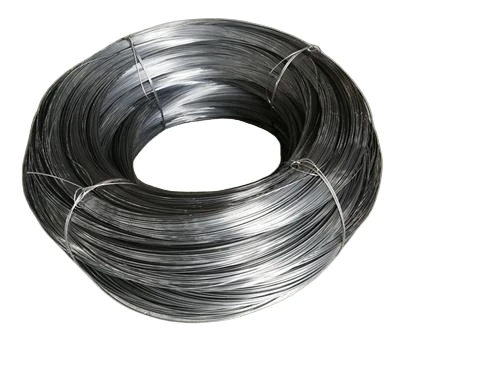

Our high - carbon steel wires are designed to resist fatigue. The manufacturing process is optimized to create a microstructure that can withstand the repeated stress without developing cracks easily. This is especially important in applications like aircraft landing gear, where the wire is constantly subjected to the impact of landings and takeoffs.
5. Lightweight
Weight is a critical factor in the aerospace industry. Every extra pound of weight can increase fuel consumption and reduce the aircraft's performance. While carbon steel is generally heavier than some other materials, we've been working on developing lightweight carbon steel wires without sacrificing strength.
By using advanced alloying techniques and optimizing the wire's cross - section, we can reduce the weight of the wire while still meeting the aerospace industry's strength requirements. This helps our customers build more fuel - efficient and high - performance aircraft.
6. Compatibility with Other Materials
In an aircraft, carbon steel wire often needs to work in conjunction with other materials, such as aluminum, composites, and various polymers. It's essential that the wire is compatible with these materials to avoid issues like galvanic corrosion or mechanical interference.
We test our carbon steel wires to ensure they are chemically and mechanically compatible with other aerospace materials. This means that when the wire is used in an assembly, it won't cause any problems due to interactions with other components.
Conclusion
So, there you have it! These are the main requirements for carbon steel wire in the aerospace industry. As a supplier, we're constantly working to meet these high - standards and develop new products that can better serve the aerospace market.
If you're in the aerospace industry and are looking for high - quality carbon steel wire that meets all these requirements, we'd love to talk to you. Whether you need wire for aircraft frames, engines, control systems, or any other aerospace application, we've got the expertise and the products to meet your needs. Reach out to us to start a conversation about your specific requirements and how we can help you.
References
- Aerospace Materials Handbook: Carbon Steel Wires, published by the Aerospace Materials Association.
- Research papers on high - performance carbon steel wires in aerospace applications from leading engineering journals.