

What are the safety precautions when using phosphatizing agents?
Hey there! As a supplier of phosphatizing agents, I've seen firsthand how crucial it is to follow safety precautions when using these chemicals. Phosphatizing agents are widely used in various industries, from automotive to manufacturing, for coating and treating metal surfaces. But they can be pretty dangerous if not handled correctly. So, let's dive into the safety precautions you need to take when using phosphatizing agents.
Personal Protective Equipment (PPE)
First off, PPE is your best friend when working with phosphatizing agents. You should always wear appropriate protective gear to minimize the risk of exposure. This includes:
- Gloves: Chemical-resistant gloves are a must. Phosphatizing agents can cause skin irritation, burns, and even chemical reactions. Choose gloves made from materials like nitrile or neoprene, which offer good resistance to the chemicals in phosphatizing agents.
- Safety Goggles: Protect your eyes from splashes and fumes. Phosphatizing agents can cause serious eye damage if they come into contact with your eyes. Make sure your goggles fit properly and provide a good seal around your eyes.
- Face Shield: In addition to safety goggles, a face shield can offer extra protection for your face. It can prevent splashes from reaching your skin and eyes, especially when working with large quantities of phosphatizing agents.
- Respirator: If you're working in an area with poor ventilation or if you're exposed to high levels of fumes, a respirator is essential. Choose a respirator that is approved for use with the specific chemicals in your phosphatizing agents. Make sure you know how to use it correctly and replace the filters regularly.
- Protective Clothing: Wear long-sleeved shirts, long pants, and closed-toe shoes to protect your skin from contact with the chemicals. You may also want to consider wearing a lab coat or apron for additional protection.
Handling and Storage
Proper handling and storage of phosphatizing agents are also crucial for safety. Here are some tips to keep in mind:
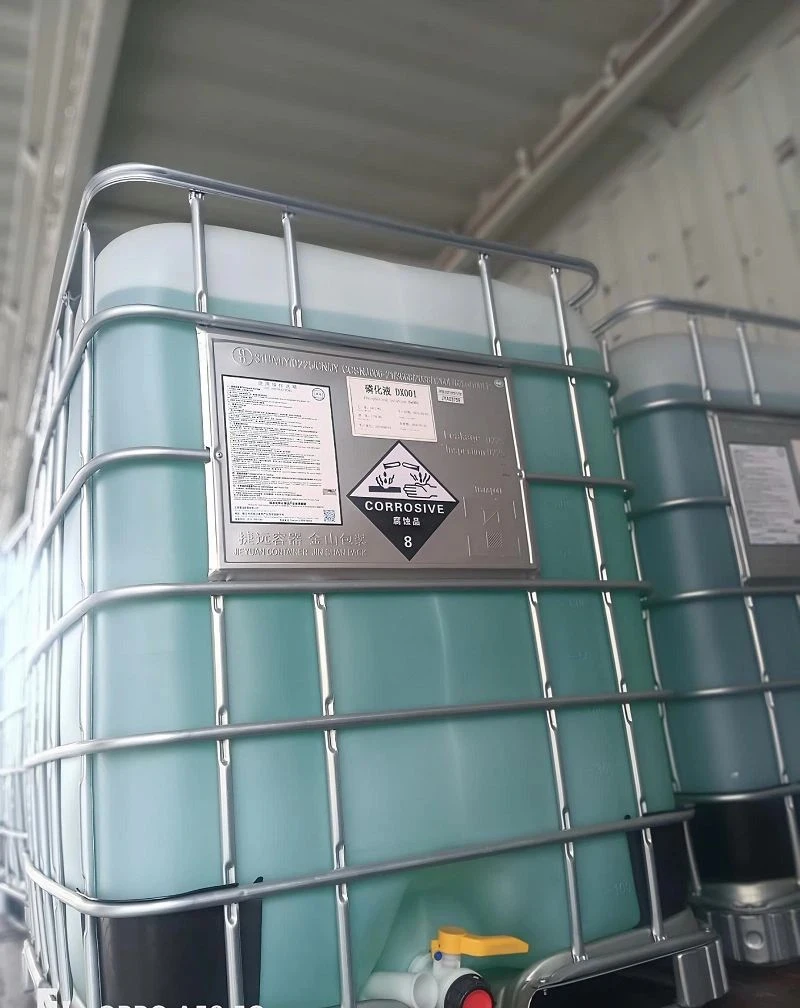
- Read the Label: Before using any phosphatizing agent, read the label carefully. The label will provide important information about the chemical composition, hazards, and safety precautions. Make sure you understand all the instructions and warnings before using the product.
- Use in a Well-Ventilated Area: Phosphatizing agents can produce fumes that can be harmful if inhaled. Always use them in a well-ventilated area, such as a fume hood or outdoors. If you're working indoors, make sure there is adequate ventilation to remove the fumes.
- Avoid Mixing Chemicals: Never mix phosphatizing agents with other chemicals unless you know it's safe to do so. Mixing chemicals can cause dangerous reactions, such as explosions or the release of toxic gases.
- Store in a Cool, Dry Place: Phosphatizing agents should be stored in a cool, dry place away from heat, flames, and direct sunlight. Make sure the containers are tightly sealed to prevent leaks and spills.
- Keep Away from Children and Pets: Phosphatizing agents are toxic and can be harmful if ingested. Keep them out of reach of children and pets.
Emergency Procedures
Even if you take all the necessary safety precautions, accidents can still happen. That's why it's important to have emergency procedures in place. Here are some steps you should take in case of an emergency:
- Know the Emergency Contacts: Make sure you know the emergency contacts for your workplace, such as the fire department, ambulance service, and poison control center. Keep these numbers handy in case of an emergency.
- Have a First Aid Kit on Hand: A first aid kit should be readily available in case of an injury. Make sure the kit contains supplies for treating burns, cuts, and other injuries.
- Evacuate the Area: If there is a fire, explosion, or other emergency, evacuate the area immediately. Follow the evacuation procedures established by your workplace.
- Seek Medical Attention: If you or someone else is exposed to phosphatizing agents, seek medical attention immediately. Call the poison control center or your local emergency services for advice.
Applications and Compatibility
When using phosphatizing agents, it's important to consider the specific applications and compatibility with different materials. Phosphatizing agents are commonly used for various purposes, such as preparing metal surfaces for painting, improving corrosion resistance, and enhancing adhesion. Here are some points to keep in mind:
- Understand the Application Requirements: Different applications may require different types of phosphatizing agents. For example, some agents are designed for use on steel, while others are more suitable for aluminum or other metals. Make sure you choose the right agent for your specific application.
- Test for Compatibility: Before applying the phosphatizing agent to a large surface, it's a good idea to perform a small test on a sample area. This will help you determine if the agent is compatible with the material and if it will produce the desired results.
- Consider the Environmental Impact: Phosphatizing agents can have an impact on the environment if not disposed of properly. Make sure you follow the regulations and guidelines for the disposal of these chemicals. Some agents may be more environmentally friendly than others, so consider using these options when possible.
Related Products and Links
If you're in the market for related products, we also offer Tin Plated Copper Steel Wire and Black Annealed Tie Steel Wire. These products are often used in conjunction with phosphatizing agents in various industries. Additionally, our Hot-rolled Wire Rod Phosphatizing Agents are specifically designed for hot-rolled wire rod applications.

Conclusion
Using phosphatizing agents can be a safe and effective way to treat metal surfaces, but it's important to follow the safety precautions. By wearing the right PPE, handling and storing the chemicals properly, and having emergency procedures in place, you can minimize the risk of accidents and ensure a safe working environment. If you have any questions or need more information about our phosphatizing agents or safety precautions, feel free to reach out. We're here to help you make the right choices for your business. Contact us to start a discussion about your procurement needs and let's work together to find the best solutions for your projects.
References
- "Safety Data Sheets for Phosphatizing Agents"
- Industry Standards for Chemical Handling and Safety