

Are there any environmental impacts of using steel wire for brush?
In the world of manufacturing and industrial applications, steel wire for brush is a commonly used material. As a supplier of Steel Wire for Brush, I've been closely observing the industry trends and concerns, especially regarding the environmental impacts associated with its use. This blog post aims to explore the various environmental aspects related to using steel wire for brushes.
Raw Material Extraction and Production
The journey of steel wire for brush begins with the extraction of raw materials, primarily iron ore and coal. Iron ore mining is a significant environmental concern. Large - scale open - pit or underground mining operations can lead to deforestation, habitat destruction, and soil erosion. The removal of vast amounts of earth to access the ore disrupts natural ecosystems, displacing wildlife and altering the landscape.
In addition, the energy - intensive process of converting iron ore into steel requires large amounts of coal. The combustion of coal in steel production releases substantial amounts of greenhouse gases, including carbon dioxide, which is a major contributor to global warming. According to the World Steel Association, the steel industry accounts for around 7 - 9% of global carbon dioxide emissions.
However, it's important to note that the steel industry has been making efforts to reduce its environmental footprint. Advanced technologies such as the use of electric arc furnaces, which can recycle scrap steel, are becoming more widespread. Recycling steel reduces the need for virgin raw materials, thus conserving natural resources and reducing energy consumption. When producing steel wire for brush, using recycled steel can significantly lower the environmental impact compared to using only newly mined materials.
Manufacturing Process
The manufacturing of steel wire for brush involves several steps, including wire drawing, heat treatment, and surface finishing. Wire drawing is a process where the steel rod is pulled through a series of dies to reduce its diameter and increase its length. This process consumes a significant amount of energy, mainly in the form of electricity. The energy consumption not only contributes to carbon emissions but also places a strain on the power grid.
Heat treatment is another energy - intensive step. It is used to improve the mechanical properties of the steel wire, such as hardness and flexibility. The furnaces used in heat treatment often run on fossil fuels, which release pollutants into the atmosphere. Moreover, the chemicals used in surface finishing, such as pickling solutions to remove oxides from the wire surface, can be hazardous to the environment if not properly managed. These chemicals can contaminate water sources and soil if they are not disposed of correctly.
On the positive side, modern manufacturing facilities are adopting more efficient production techniques. For example, some manufacturers are using waste heat recovery systems in their furnaces to reuse the heat that would otherwise be wasted. This reduces energy consumption and operating costs. Additionally, the development of more environmentally friendly surface - finishing processes, such as the use of non - toxic coatings, is helping to minimize the environmental impact of the manufacturing process.
Product Use and Disposal
During the use of brushes made with steel wire, there are relatively few direct environmental impacts. Steel wire brushes are durable and can be used for a long time, which means less frequent replacement compared to some other types of brushes. This reduces waste generation.
However, when the brushes reach the end of their useful life, proper disposal is crucial. If steel wire brushes are simply discarded in landfills, they take up space and may release rust and other contaminants into the soil and groundwater over time. On the other hand, steel is highly recyclable. Recycling steel wire brushes can recover valuable materials and prevent them from becoming waste.
Recycling also has economic benefits. Scrap steel has value in the market, and recycling it can generate revenue. As a supplier, I encourage my customers to recycle their used steel wire brushes. We can also provide guidance on how to properly recycle these products to ensure that the environmental benefits are maximized.
Comparison with Other Brush Materials
When considering the environmental impact of steel wire for brush, it's useful to compare it with other brush materials. For example, natural fiber brushes, such as those made from bristles, have a relatively low environmental impact during their growth phase. However, the processing of natural fibers often involves the use of chemicals and large amounts of water.
Plastic brushes, on the other hand, are made from petroleum - based materials. The extraction and processing of petroleum are highly polluting activities, and plastic is not biodegradable. Plastic brushes can end up in landfills or the ocean, where they can persist for hundreds of years and cause harm to wildlife.
In comparison, steel wire, although it has environmental impacts during production, is recyclable. This recyclability gives it an advantage over non - recyclable materials like plastic in terms of long - term environmental sustainability.
Our Company's Initiatives
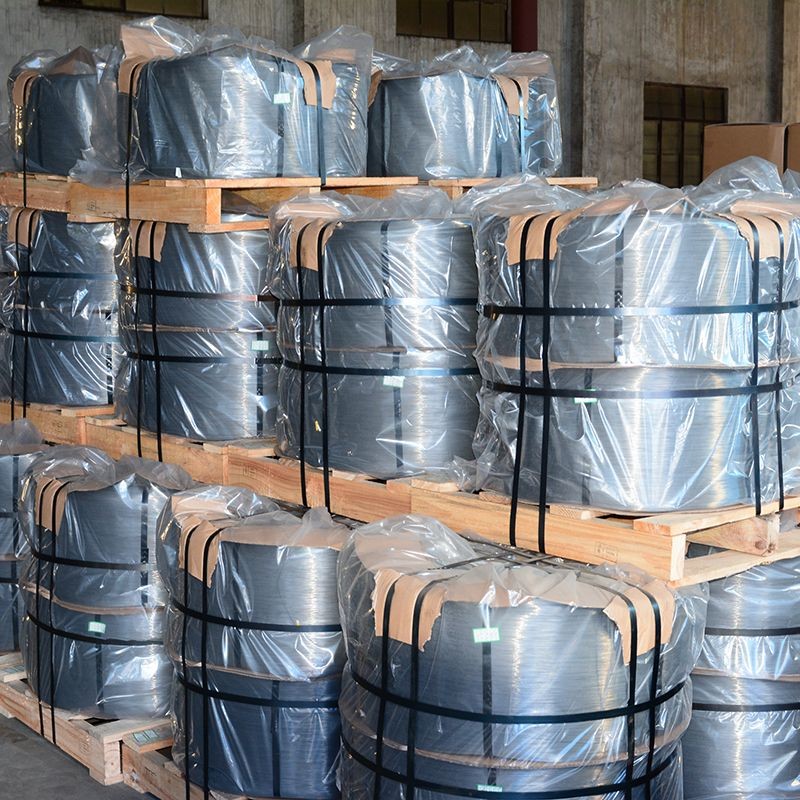
As a supplier of Steel Wire for Brush, we are committed to minimizing the environmental impact of our products. We source our steel from suppliers who adhere to strict environmental standards. Whenever possible, we use recycled steel in our production process.
We are also investing in research and development to improve the manufacturing efficiency of our steel wire for brush. This includes exploring new energy - saving technologies and more environmentally friendly surface - finishing methods. By reducing our energy consumption and waste generation, we aim to contribute to a more sustainable future.
Related Steel Wire Products
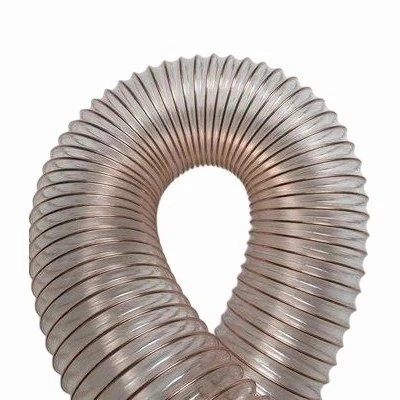
In addition to steel wire for brush, we also offer other types of steel wire products, such as Flexible Duct Wire and Steel Wire for Optical Fibre Cable. These products also have their own environmental considerations. Similar to steel wire for brush, the production of these wires can be made more sustainable by using recycled materials and advanced manufacturing techniques.
Conclusion
The use of steel wire for brush does have environmental impacts, particularly in the raw material extraction, manufacturing process, and disposal phases. However, with the development of new technologies and the increasing focus on sustainability, the environmental footprint of steel wire for brush can be significantly reduced.
As a supplier, we are dedicated to providing high - quality steel wire products while minimizing the impact on the environment. We believe that by working together with our customers, we can make a positive difference. If you are interested in purchasing steel wire for brush or any of our other steel wire products, we welcome you to contact us for more information and to discuss your procurement needs.
References
- World Steel Association. (Year). Steel and the environment. Retrieved from [Association's official website].
- Various industry reports on steel production and environmental impact.