

What is the application of cold drawn steel wire in the elevator industry?
Hey there! As a supplier of Cold Drawn Steel Wire, I'm super excited to chat with you about its applications in the elevator industry. Cold drawn steel wire is a game - changer in this field, and I'm gonna break down all the reasons why.
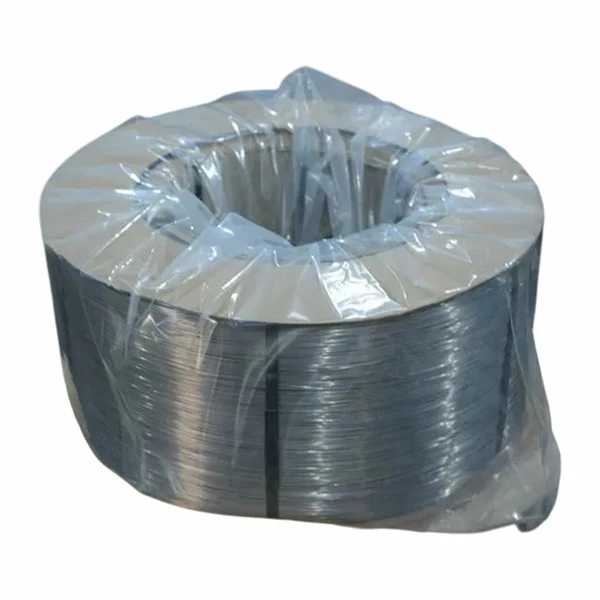
First off, let's understand what cold drawn steel wire is. Cold drawing is a process where steel wire is pulled through a die at room temperature. This process makes the wire stronger, more precise in terms of diameter, and gives it a better surface finish compared to other types of steel wire. You can learn more about it Cold Drawn Steel Wire.
Structural Components in Elevators
One of the most important applications of cold drawn steel wire in the elevator industry is for making structural components. Elevators are complex machines that need to be incredibly reliable and safe. Cold drawn steel wire is used to create parts like guide rails and support cables.
Guide rails are essential for keeping the elevator car moving smoothly up and down. They need to be straight, strong, and have a consistent shape. Cold drawn steel wire meets these requirements perfectly. The cold drawing process ensures that the wire has a uniform diameter and a smooth surface, which reduces friction between the guide rail and the elevator car. This not only makes the ride more comfortable for passengers but also extends the lifespan of the elevator system.
Support cables are another crucial structural component. These cables are responsible for holding the elevator car and counterweight. They need to be able to withstand huge amounts of tension. Cold drawn steel wire has high tensile strength, which means it can handle heavy loads without breaking. It also has good fatigue resistance, which is important because the cables are constantly being stretched and relaxed as the elevator moves.
Safety Systems
Safety is the top priority in the elevator industry, and cold drawn steel wire plays a vital role in elevator safety systems. One such system is the overspeed governor. The overspeed governor is designed to detect when the elevator is moving too fast and activate the safety brakes.
Cold drawn steel wire is used to make the cables and springs in the overspeed governor. The high strength and precision of the wire ensure that the governor can accurately measure the speed of the elevator. If the speed exceeds the safe limit, the governor will trigger the safety brakes, which are also often made with cold drawn steel components. These brakes use the wire's strength to grip the guide rails and stop the elevator car quickly and safely.
Another safety feature is the buffer system. Buffers are installed at the bottom of the elevator shaft to absorb the impact if the elevator car falls. Cold drawn steel wire is used in the construction of the buffer springs. These springs need to be able to compress and expand repeatedly without losing their elasticity. The cold drawn steel wire's excellent mechanical properties make it an ideal material for this application.
Door Systems
Elevator doors are another area where cold drawn steel wire is used. The doors need to open and close smoothly and securely. Cold drawn steel wire is used to make the cables and pulleys that operate the door system.
The smooth surface of the cold drawn steel wire reduces friction in the door mechanism, which makes the doors open and close quietly and efficiently. The high strength of the wire also ensures that it can withstand the constant pulling and pushing forces during the door's operation. This helps to prevent malfunctions and ensures the safety of passengers entering and exiting the elevator.
Comparison with Other Types of Steel Wire
You might be wondering how cold drawn steel wire compares to other types of steel wire in the elevator industry. Let's take a look at two common alternatives: Black Annealed Tie Steel Wire and Phosphate Coating Steel Wire.
Black annealed tie steel wire is softer and more ductile than cold drawn steel wire. While it's great for tying and bundling, it doesn't have the strength and precision required for elevator applications. It would not be suitable for making structural components, safety systems, or door systems because it might not be able to withstand the forces involved.
Phosphate coating steel wire has a phosphate coating that provides some corrosion resistance. However, in terms of strength and precision, cold drawn steel wire still has the edge. The cold drawing process gives the wire better mechanical properties, which are essential for the demanding conditions in the elevator industry.
Why Choose Our Cold Drawn Steel Wire
As a supplier, I can tell you that our cold drawn steel wire is of the highest quality. We use advanced manufacturing techniques to ensure that every batch of wire meets strict quality standards. Our wire has consistent mechanical properties, which means you can rely on it for your elevator projects.
We also offer a wide range of diameters and specifications to meet the diverse needs of the elevator industry. Whether you need thin wire for delicate components or thick wire for heavy - duty applications, we've got you covered.
In addition, we provide excellent customer service. Our team of experts is always ready to help you choose the right wire for your specific requirements. We can also offer technical support and advice on the installation and maintenance of the wire in your elevator systems.

Conclusion
In conclusion, cold drawn steel wire is an indispensable material in the elevator industry. Its high strength, precision, and excellent mechanical properties make it suitable for a wide range of applications, from structural components to safety systems and door mechanisms.
If you're in the elevator manufacturing or maintenance business, I highly recommend considering our cold drawn steel wire for your projects. It will not only improve the performance and safety of your elevator systems but also save you money in the long run by reducing maintenance costs and extending the lifespan of the equipment.
If you're interested in learning more about our cold drawn steel wire or have any questions about its applications in the elevator industry, don't hesitate to reach out. We're eager to start a conversation and see how we can work together to make your elevator projects a success.
References
- "Elevator Technology Handbook", various authors, published by a leading engineering press.
- Industry reports on elevator manufacturing and materials, available from industry research firms.