

What is the application of electrolytic phosphating in the aerospace industry?
Electrolytic phosphating is a surface treatment process that has gained significant traction in various industries, and the aerospace sector is no exception. As a leading supplier of electrolytic phosphating solutions, I've witnessed firsthand the transformative impact this technology has on aerospace components. In this blog, I'll delve into the applications of electrolytic phosphating in the aerospace industry, exploring its benefits, processes, and real - world use cases.
Understanding Electrolytic Phosphating
Before we explore its aerospace applications, let's briefly understand what electrolytic phosphating is. It is an electrochemical process that involves the deposition of a phosphate coating on a metal surface. Unlike conventional phosphating methods, electrolytic phosphating uses an electric current to accelerate the formation of the phosphate layer. This results in a more uniform, dense, and adherent coating, which offers superior corrosion resistance and improved paint adhesion.
Corrosion Protection in Aerospace Components
One of the primary challenges in the aerospace industry is dealing with corrosion. Aircraft are exposed to a variety of harsh environments, including high humidity, saltwater, and extreme temperatures. Corrosion can weaken the structural integrity of components, leading to safety risks and costly repairs.
Electrolytic phosphating provides an effective solution to this problem. The phosphate coating acts as a barrier between the metal surface and the corrosive environment, preventing the formation of rust and other forms of corrosion. For example, landing gear components, which are constantly exposed to moisture and debris during takeoff and landing, can benefit greatly from electrolytic phosphating. The coating helps to extend the lifespan of these critical components, reducing maintenance costs and improving overall safety.
Improved Lubrication and Wear Resistance
In addition to corrosion protection, electrolytic phosphating also enhances the lubrication and wear resistance of aerospace components. Many aerospace systems rely on moving parts, such as gears, bearings, and pistons. These parts are subject to high levels of friction and wear, which can lead to premature failure.

The phosphate coating created through electrolytic phosphating provides a smooth surface that reduces friction between moving parts. This not only improves the efficiency of the components but also extends their service life. For instance, in aircraft engines, where high - speed rotating parts are common, electrolytic phosphating can significantly reduce wear and tear, leading to better engine performance and reliability.
Paint Adhesion for Aesthetic and Functional Purposes
Aerospace components often require a high - quality paint finish for both aesthetic and functional reasons. A good paint job not only enhances the appearance of the aircraft but also provides an additional layer of protection against the elements.
Electrolytic phosphating improves paint adhesion by creating a rough surface on the metal substrate. The phosphate coating provides a mechanical key for the paint to adhere to, ensuring a long - lasting and durable finish. This is particularly important for exterior components of the aircraft, such as the fuselage and wings, which are exposed to UV radiation, wind, and rain.
Specific Applications in the Aerospace Industry
Structural Components
Structural components in aircraft, such as frames, spars, and ribs, are the backbone of the aircraft's design. These components need to be strong, lightweight, and corrosion - resistant. Electrolytic phosphating can be applied to these parts to enhance their corrosion resistance and improve their overall mechanical properties. The process can be customized to meet the specific requirements of different structural materials, such as aluminum alloys and titanium.
Fasteners
Fasteners, including bolts, nuts, and screws, play a crucial role in holding the aircraft together. They need to be reliable and resistant to corrosion and vibration. Electrolytic phosphating can be used to treat fasteners, providing them with a protective coating that prevents corrosion and improves their torque - tension characteristics. This ensures that the fasteners remain secure during flight, reducing the risk of structural failure.
Hydraulic and Pneumatic Components
Hydraulic and pneumatic systems are essential for the operation of various aircraft functions, such as landing gear deployment, flight control surfaces, and engine control. Components in these systems, such as valves, cylinders, and pipes, are subject to high pressures and fluid flow. Electrolytic phosphating can be applied to these components to improve their corrosion resistance and reduce friction, ensuring smooth and reliable operation.
Our Electrolytic Phosphating Solutions
As a supplier of electrolytic phosphating products, we offer a range of high - quality solutions tailored to the aerospace industry. Our Online Multi - filament Electrolytic Phosphatizing Agents are designed to provide a uniform and dense phosphate coating on a variety of metal surfaces. These agents are suitable for use in continuous production lines, ensuring high - efficiency and consistent results.
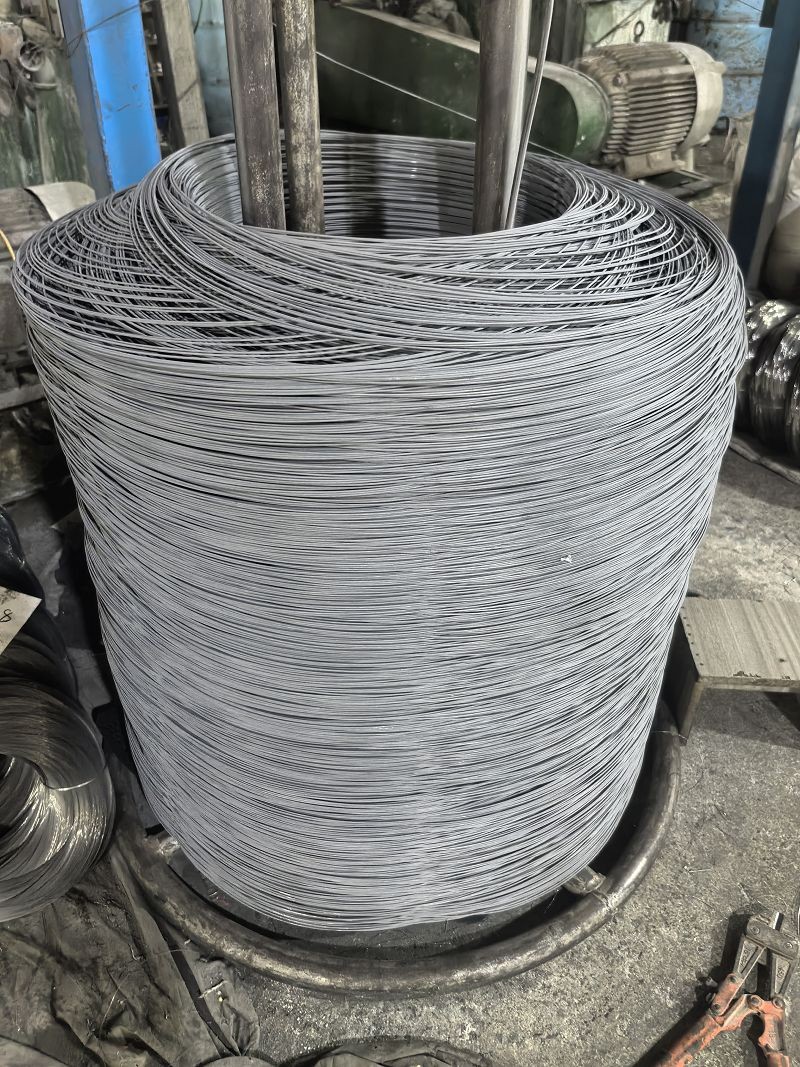
Our Hot - rolled Wire Rod Phosphatizing Agents are specifically formulated for treating hot - rolled wire rods, which are commonly used in the aerospace industry for manufacturing springs, cables, and other components. These agents can improve the surface quality of the wire rods, enhancing their corrosion resistance and mechanical properties.
The Process of Electrolytic Phosphating in Aerospace
The electrolytic phosphating process for aerospace components typically involves several steps. First, the component is thoroughly cleaned to remove any dirt, oil, or oxide layers. This is crucial to ensure proper adhesion of the phosphate coating. Next, the component is immersed in an electrolytic phosphating bath, which contains phosphate salts and other additives.
An electric current is then applied to the bath, causing the phosphate ions to react with the metal surface and form a phosphate coating. The process parameters, such as the current density, bath temperature, and immersion time, are carefully controlled to achieve the desired coating thickness and quality. After the phosphating process is complete, the component is rinsed and dried to remove any residual chemicals.
Quality Control and Standards
In the aerospace industry, quality control is of utmost importance. Our electrolytic phosphating processes are subject to strict quality control measures to ensure that the coated components meet the highest industry standards. We use advanced testing methods, such as salt spray testing, adhesion testing, and microscopic analysis, to verify the quality of the phosphate coating.
We also comply with various aerospace standards, such as MIL - DTL - 16232 and ASTM B695, which specify the requirements for phosphate coatings on aerospace components. By adhering to these standards, we can guarantee the reliability and performance of our electrolytic phosphating solutions.
Conclusion
Electrolytic phosphating offers numerous benefits for the aerospace industry, including corrosion protection, improved lubrication, enhanced paint adhesion, and extended component lifespan. As a supplier of electrolytic phosphating solutions, we are committed to providing high - quality products and services to meet the specific needs of the aerospace sector.
If you are in the aerospace industry and are looking for reliable electrolytic phosphating solutions, we invite you to contact us for a consultation. Our team of experts can help you determine the best solution for your specific application and guide you through the entire process, from product selection to application. Let's work together to enhance the performance and reliability of your aerospace components.
References
- ASTM International. "ASTM B695 - Standard Specification for Coatings of Zinc Mechanically Deposited on Iron and Steel."
- U.S. Department of Defense. "MIL - DTL - 16232 - Phosphate Coatings for Iron and Steel."
-ASM Handbook Committee. "ASM Handbook, Volume 5: Surface Engineering." ASM International, 2007.