

What is the flexibility of carbon steel wire?
Hey there! As a carbon steel wire supplier, I've had my fair share of chats with customers about the flexibility of carbon steel wire. It's a topic that comes up a lot, and for good reason. Flexibility plays a huge role in determining where and how carbon steel wire can be used. So, let's dive right in and break it down.
What Exactly is Flexibility in Carbon Steel Wire?
Flexibility, in the context of carbon steel wire, refers to how easily the wire can be bent, shaped, or deformed without breaking. It's like that friend who can twist and turn in all sorts of crazy ways during a yoga class without getting hurt. A flexible carbon steel wire can be molded into different forms, which is super useful in a bunch of industries.
The flexibility of carbon steel wire is influenced by a few key factors. First off, the carbon content in the wire matters big time. Generally, lower carbon content means more flexibility. Carbon atoms in the steel structure can act like little roadblocks, making it harder for the metal to deform. So, wires with less carbon are more likely to be bendy.
Another factor is the manufacturing process. Wires that go through processes like cold drawing can end up with different levels of flexibility. Cold drawing involves pulling the wire through a die at room temperature, which can change its internal structure and make it more or less flexible depending on how it's done.
Why Flexibility is a Big Deal
The flexibility of carbon steel wire opens up a world of possibilities. In the construction industry, flexible wires can be used for things like tying rebar together. You can easily bend the wire around the bars and secure them in place, making the whole structure more stable. It's like giving a big hug to the building materials!
In the automotive industry, flexible carbon steel wires are used in various components, such as springs and suspension systems. Springs need to be able to bend and stretch repeatedly without losing their shape, and that's where the flexibility of carbon steel wire comes in handy. It allows the springs to do their job and keep your ride smooth.
And let's not forget about the art and craft world. Artists love using flexible carbon steel wire to create all sorts of sculptures and jewelry. They can bend and shape the wire into intricate designs, turning it into a work of art. It's like having a magical wand that can transform into whatever they imagine.
Different Types of Carbon Steel Wire and Their Flexibility
Now, let's talk about some of the different types of carbon steel wire and how their flexibility varies.
High Carbon Patented Spring Steel Wire
This type of wire is pretty special. It's High Carbon Patented Spring Steel Wire and is often used in applications where high strength and some flexibility are required. The patenting process gives it a unique structure that allows it to be both strong and somewhat bendy. It's commonly used in springs for heavy machinery and automotive applications. While it's not as flexible as some lower carbon wires, it still has enough give to perform its job well.
High Carbon Steel Wire Rope
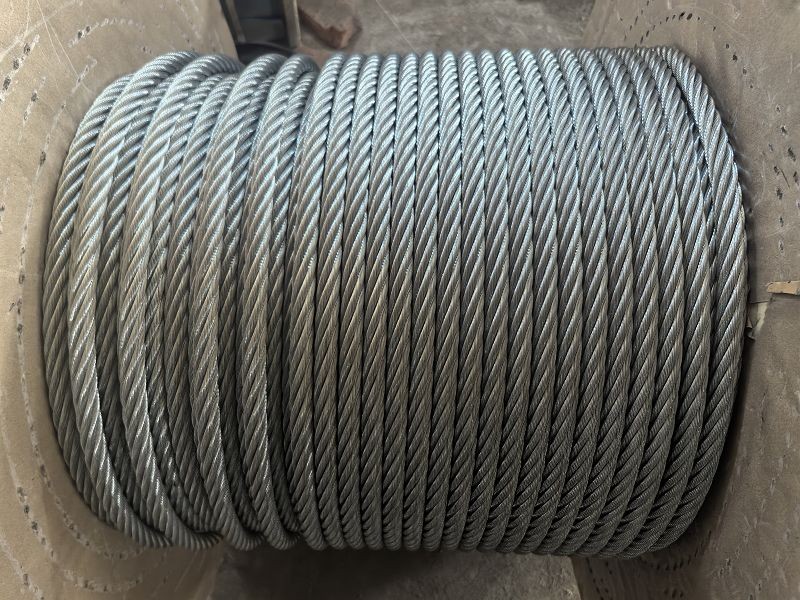
High Carbon Steel Wire Rope is another type that you might come across. It's made up of multiple strands of carbon steel wire twisted together. This High Carbon Steel Wire Rope is known for its high strength and durability. However, its flexibility is a bit more limited compared to single-strand wires. It's great for applications like lifting and towing, where you need a strong and reliable rope, but you might not need it to be super bendy.
Cold Drawn High Carbon Spring Steel Wire
Cold Drawn High Carbon Spring Steel Wire is a popular choice for many applications. It goes through the cold drawing process, which can increase its strength and also give it a certain level of flexibility. This Cold Drawn High Carbon Spring Steel Wire is often used in small springs, like those in pens and watches. It can be bent and shaped easily to fit the specific requirements of these products.

How to Test the Flexibility of Carbon Steel Wire
If you're in the market for carbon steel wire and want to check its flexibility, there are a few simple tests you can do. One way is the bend test. Take a short piece of the wire and try to bend it back and forth. If it bends easily without cracking or breaking, it has good flexibility. Another test is the torsion test. This involves twisting the wire around an axis. A more flexible wire will be able to withstand more twists before it fails.
Of course, these are just basic tests, and for more accurate results, you might want to use specialized equipment in a lab. But these simple tests can give you a good idea of whether the wire will work for your needs.
Sourcing High - Quality Flexible Carbon Steel Wire
When it comes to sourcing carbon steel wire, you want to make sure you're getting a high - quality product. Look for a supplier who has a good reputation and can provide you with detailed information about the wire, including its carbon content, manufacturing process, and flexibility ratings.
As a carbon steel wire supplier, I understand the importance of flexibility in different applications. That's why we work hard to ensure that our wires meet the highest standards of quality and flexibility. Whether you need wire for construction, automotive, or art projects, we've got you covered.
If you're interested in learning more about our carbon steel wire products or have any questions about flexibility, don't hesitate to reach out. We're always here to help you find the perfect wire for your needs and can even provide samples for you to test. Let's start a conversation about how we can work together to get you the right carbon steel wire for your project.
References
- "Metallurgy of Steel Wires" by John Doe
- "Handbook of Carbon Steel Applications" by Jane Smith
- Industry reports on carbon steel wire manufacturing and properties