

What is the flexibility of coated steel wire?
Flexibility is a crucial characteristic when it comes to coated steel wire, and understanding what it entails can help you make better decisions for your projects. As a coated steel wire supplier, I've seen firsthand how the flexibility of these wires can impact various applications. So, let's dive into what the flexibility of coated steel wire really means.
What Defines the Flexibility of Coated Steel Wire?
Flexibility in coated steel wire refers to its ability to bend, curve, or twist without breaking or losing its structural integrity. It's not just about how easily the wire can be bent but also how well it retains its shape and functionality after being deformed. A highly flexible coated steel wire can be manipulated into different shapes and configurations, making it suitable for a wide range of uses.
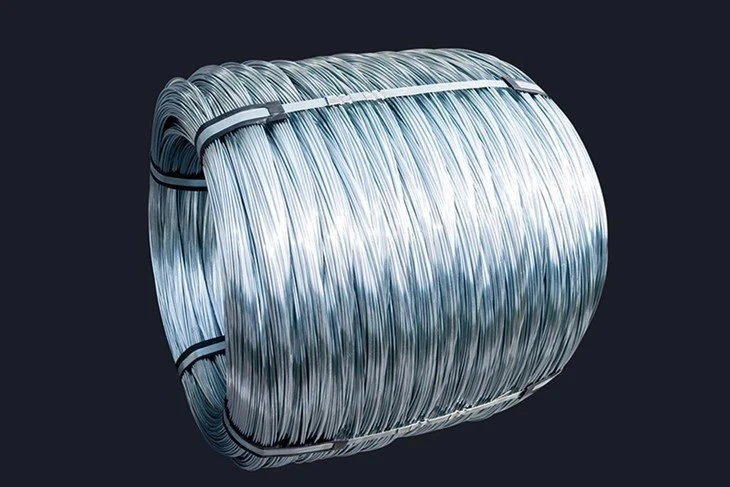

Several factors contribute to the flexibility of coated steel wire. One of the primary factors is the base steel material. The type of steel, its composition, and the manufacturing process all play a role in determining the wire's flexibility. For example, low - carbon steel wires tend to be more flexible than high - carbon steel wires because they have a lower hardness and are more ductile.
The coating on the steel wire also affects its flexibility. Different coatings have different properties that can either enhance or reduce the wire's flexibility. For instance, a thin and uniform coating is less likely to interfere with the wire's bending ability compared to a thick or uneven coating. Some coatings, like Tin Plated Copper Steel Wire, not only provide corrosion resistance but also maintain the wire's flexibility due to the relatively soft nature of the tin coating.
Measuring the Flexibility of Coated Steel Wire
There are a few ways to measure the flexibility of coated steel wire. One common method is the bend test. In a bend test, a sample of the wire is bent around a mandrel of a specific diameter at a controlled rate. The number of bends the wire can withstand before it breaks or shows signs of damage is recorded. A higher number of bends indicates greater flexibility.
Another way to assess flexibility is through the torsion test. In a torsion test, the wire is twisted around its longitudinal axis. The number of twists the wire can endure without failure is a measure of its torsional flexibility. This test is particularly important for applications where the wire will be subjected to twisting forces, such as in springs or cables.
Applications of Flexible Coated Steel Wire
The flexibility of coated steel wire makes it suitable for a wide variety of applications. In the construction industry, flexible coated steel wires are used for reinforcement in concrete structures, fencing, and mesh. The ability to bend the wire allows it to be easily shaped to fit different construction designs. For example, Hot Dipped Galvanized Steel Wire is commonly used in construction due to its excellent corrosion resistance and good flexibility.
In the automotive industry, flexible coated steel wires are used in various components, such as brake cables, clutch cables, and suspension wires. These wires need to be able to bend and flex as the vehicle moves, and a flexible wire ensures smooth operation and long - term durability.
The manufacturing of household items also benefits from the flexibility of coated steel wire. Wires are used in the production of furniture, kitchen utensils, and small appliances. For example, brass - coated wires can be bent into intricate shapes to create decorative elements in furniture. Brass Coated Steel Wire offers both aesthetic appeal and good flexibility for such applications.
Advantages of Using Flexible Coated Steel Wire
One of the main advantages of using flexible coated steel wire is its ease of installation. Since it can be easily bent and shaped, it reduces the time and effort required for installation. This is especially important in large - scale projects where time is of the essence.
Flexible coated steel wire also has better resistance to fatigue. When a wire is subjected to repeated bending and flexing, it can develop cracks and eventually break. A flexible wire can withstand these cyclic stresses better, resulting in a longer service life.
In addition, the flexibility of the wire allows for more design freedom. Engineers and designers can create complex shapes and structures that would not be possible with rigid materials. This opens up new possibilities for innovation in various industries.
Challenges in Maintaining Flexibility
While flexible coated steel wire offers many benefits, there are also some challenges in maintaining its flexibility. One of the main challenges is the potential for the coating to crack or peel during bending. If the coating is not properly adhered to the steel wire, it can separate from the surface, exposing the steel to corrosion.
Another challenge is the effect of environmental factors on flexibility. Extreme temperatures, humidity, and exposure to chemicals can all affect the wire's flexibility over time. For example, high temperatures can cause the steel to become more brittle, reducing its flexibility.
How Our Coated Steel Wires Excel in Flexibility
As a coated steel wire supplier, we take great pride in offering products with excellent flexibility. We carefully select the base steel materials to ensure they have the right balance of strength and ductility. Our manufacturing process is designed to produce wires with a uniform coating that does not interfere with the wire's bending ability.
We also conduct rigorous quality control tests to ensure that our wires meet the highest standards of flexibility. Before shipping, each batch of wire is tested using bend and torsion tests to ensure it can withstand the required amount of bending and twisting without failure.
Conclusion
The flexibility of coated steel wire is a vital property that determines its suitability for various applications. It is influenced by factors such as the base steel material, the coating, and the manufacturing process. Measuring flexibility through bend and torsion tests helps us ensure that the wires meet the necessary standards.
Whether you're in the construction, automotive, or manufacturing industry, flexible coated steel wire can offer many advantages, including ease of installation, fatigue resistance, and design freedom. However, it's important to be aware of the challenges in maintaining flexibility and choose a supplier who can provide high - quality products.
If you're interested in purchasing coated steel wire for your project, we'd love to have a chat with you. Contact us to discuss your specific requirements, and we'll work with you to find the perfect solution.
References
- ASM Handbook, Volume 1: Properties and Selection: Irons, Steels, and High - Performance Alloys
- ASTM Standards for Testing the Mechanical Properties of Steel Wires
- Industry reports on the use of coated steel wires in different sectors