

What is the heat transfer property of cold drawn spring wire rods?
What is the heat transfer property of cold drawn spring wire rods?
As a supplier of cold drawn spring wire rods, I've had the privilege of delving deep into the various properties of these essential materials. One aspect that often doesn't receive as much attention as it deserves is the heat transfer property of cold drawn spring wire rods. Understanding this property is crucial for a wide range of applications, from automotive components to industrial machinery.
Basics of Heat Transfer
Before we explore the heat transfer properties of cold drawn spring wire rods, let's briefly review the basics of heat transfer. There are three main modes of heat transfer: conduction, convection, and radiation.
Conduction is the transfer of heat through a material without any movement of the material itself. It occurs when there is a temperature gradient within the material, and heat flows from the higher - temperature region to the lower - temperature region. Metals are generally good conductors of heat because they have free electrons that can easily transfer energy.
Convection involves the transfer of heat by the movement of a fluid (liquid or gas). When a fluid is heated, it becomes less dense and rises, while the cooler fluid sinks, creating a convection current that transfers heat.
Radiation is the transfer of heat in the form of electromagnetic waves. All objects emit thermal radiation, and the amount and wavelength of the radiation depend on the object's temperature.
Heat Transfer in Cold Drawn Spring Wire Rods
Cold drawn spring wire rods are made through a process of cold drawing, which involves pulling the wire through a die to reduce its diameter and increase its strength. This process can have a significant impact on the heat transfer properties of the wire.
The microstructure of cold drawn spring wire rods is different from that of the original steel. During the cold drawing process, the grains of the steel are elongated and aligned in the direction of drawing. This alignment can affect the path of heat conduction within the wire. In general, the heat conduction in cold drawn spring wire rods is anisotropic, meaning that the heat transfer rate is different in different directions. The heat transfer rate is usually higher along the direction of the drawn wire because the elongated grains provide a more direct path for the movement of free electrons.
The composition of the steel also plays a crucial role in its heat transfer properties. Different alloying elements can affect the electrical and thermal conductivity of the steel. For example, adding elements like chromium, nickel, and molybdenum can improve the corrosion resistance of the wire but may also reduce its thermal conductivity to some extent.
The surface condition of the cold drawn spring wire rods can also influence heat transfer. A smooth surface has less resistance to heat transfer compared to a rough surface. Surface coatings, such as zinc plating or polymer coatings, can act as insulators and reduce the heat transfer rate between the wire and its surroundings.
Applications and Considerations
In many applications, the heat transfer properties of cold drawn spring wire rods are of great importance.
In automotive engines, springs made from cold drawn wire rods are used in various components, such as valve springs. These springs are exposed to high - temperature environments, and efficient heat transfer is necessary to prevent overheating and ensure the proper functioning of the engine. If the heat transfer rate is too low, the springs may lose their elasticity due to overheating, leading to engine failures.
In industrial machinery, cold drawn spring wire rods are used in conveyor systems, vibration dampers, and other components. In these applications, the heat generated during operation needs to be dissipated effectively to prevent damage to the components. Understanding the heat transfer properties of the wire rods can help in designing more efficient cooling systems.
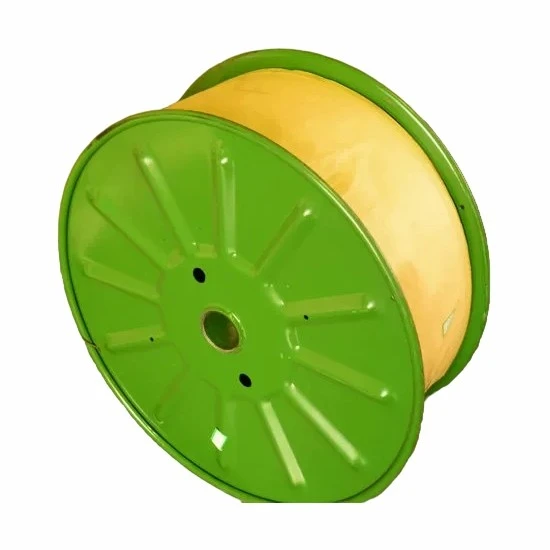

When selecting cold drawn spring wire rods for a specific application, it's essential to consider the heat transfer requirements. If high - heat transfer is needed, a wire rod with a high thermal conductivity and a smooth surface may be preferred. On the other hand, if insulation is required, a wire rod with a suitable coating can be chosen.
Related Products and Their Heat Transfer
As a supplier, we also offer other related products, such as Steel Wire for Brush, Bead Steel Wire, and Steel Cut Wire Shot.
The heat transfer properties of these products are also important in their respective applications. Steel wire for brush is often used in high - speed rotating brushes, where heat is generated due to friction. Good heat transfer properties can help in dissipating this heat and prolonging the life of the brush.
Bead steel wire is used in tire manufacturing. During the vulcanization process, heat needs to be transferred evenly to ensure the proper bonding of the tire components. Understanding the heat transfer properties of bead steel wire can help in optimizing the vulcanization process.
Steel cut wire shot is used for surface treatment processes, such as shot peening. The heat generated during the impact of the wire shot on the surface needs to be dissipated quickly to prevent overheating of the treated surface.
Conclusion
The heat transfer property of cold drawn spring wire rods is a complex but important aspect that affects their performance in various applications. As a supplier, we are committed to providing high - quality wire rods with well - understood heat transfer characteristics. Whether you are in the automotive, industrial, or other sectors, choosing the right cold drawn spring wire rod based on its heat transfer properties can lead to more efficient and reliable products.
If you are interested in learning more about our cold drawn spring wire rods or other related products, or if you have specific heat transfer requirements for your application, we encourage you to contact us for a detailed discussion. Our team of experts is ready to assist you in selecting the most suitable products for your needs.
References
- Incropera, F. P., & DeWitt, D. P. (2002). Fundamentals of Heat and Mass Transfer. John Wiley & Sons.
- ASM Handbook, Volume 1: Properties and Selection: Irons, Steels, and High - Performance Alloys. ASM International.
- Callister, W. D., & Rethwisch, D. G. (2010). Materials Science and Engineering: An Introduction. John Wiley & Sons.