

What is the lead time for high strength steel wire production?
In the realm of industrial materials, high strength steel wire stands out as a crucial component with a wide range of applications, from construction and automotive industries to manufacturing and infrastructure projects. As a leading supplier of high strength steel wire, I often encounter inquiries regarding the lead time for its production. Understanding the factors that influence the lead time is essential for both suppliers and customers to effectively plan their projects and meet deadlines. In this blog post, I will delve into the intricacies of high strength steel wire production lead time, exploring the various stages involved and the key factors that can impact the overall timeline.
Understanding High Strength Steel Wire
Before we dive into the lead time, let's first understand what high strength steel wire is. High strength steel wire is a type of steel wire that has been engineered to possess superior strength and durability compared to Generalstrength Steel Wire and Low Strength Steel Wire. It is typically made from high carbon steel or alloy steel, which are heat-treated and cold-drawn to achieve the desired strength and mechanical properties. High strength steel wire is known for its high tensile strength, excellent fatigue resistance, and good corrosion resistance, making it suitable for applications that require reliable and long-lasting performance.
Stages of High Strength Steel Wire Production
The production of high strength steel wire involves several stages, each of which contributes to the overall lead time. Here is a breakdown of the main stages:
Raw Material Preparation
The first stage of high strength steel wire production is the preparation of the raw materials. This involves sourcing high-quality steel billets or rods from reputable suppliers. The steel billets or rods are then inspected for quality and composition to ensure they meet the required specifications. Once the raw materials are approved, they are sent to the next stage of the production process.
Heating and Rolling
In this stage, the steel billets or rods are heated to a specific temperature in a furnace to make them malleable. The heated steel is then passed through a series of rolling mills to reduce its diameter and increase its length. This process, known as hot rolling, helps to refine the grain structure of the steel and improve its mechanical properties. The hot-rolled steel is then cooled to room temperature and inspected for quality.
Heat Treatment
Heat treatment is a critical stage in the production of high strength steel wire. It involves heating the steel wire to a specific temperature and then cooling it at a controlled rate to achieve the desired strength and hardness. There are several heat treatment processes that can be used, including quenching and tempering, annealing, and normalizing. The choice of heat treatment process depends on the specific requirements of the high strength steel wire.

Cold Drawing
After the heat treatment, the steel wire is cold-drawn through a series of dies to further reduce its diameter and increase its strength. Cold drawing is a process that involves pulling the steel wire through a die under high pressure, which causes the wire to elongate and become thinner. This process helps to improve the surface finish of the wire and enhance its mechanical properties. The cold-drawn steel wire is then inspected for quality and dimensional accuracy.
Surface Treatment
Surface treatment is an important step in the production of high strength steel wire, especially for applications that require good corrosion resistance. There are several surface treatment methods that can be used, including galvanizing, coating, and painting. Galvanizing involves applying a layer of zinc to the surface of the steel wire to protect it from corrosion. Coating and painting involve applying a layer of protective coating or paint to the surface of the wire to improve its appearance and durability.
Packaging and Shipping
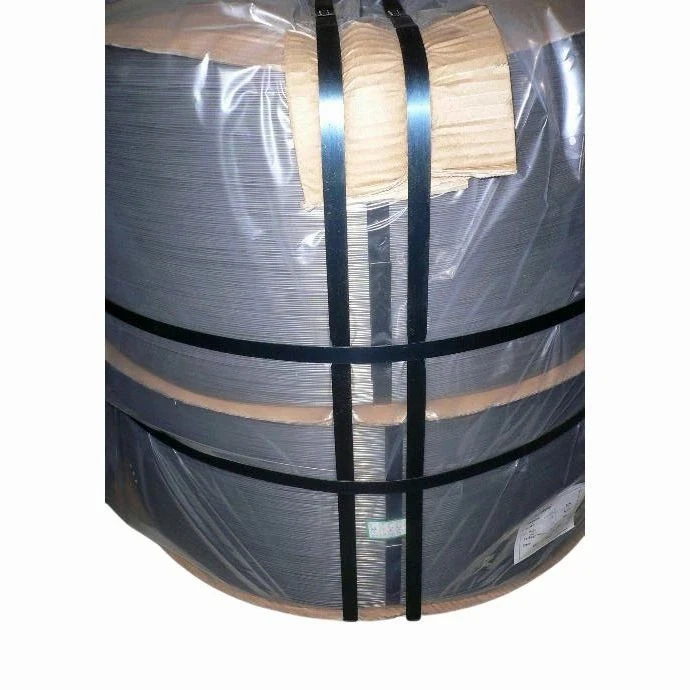
Once the high strength steel wire has been produced and inspected, it is packaged and prepared for shipping. The wire is typically coiled or spooled and wrapped in protective packaging to prevent damage during transportation. The packaged wire is then labeled with the product information, including the规格, strength, and quantity, and shipped to the customer's location.
Factors Affecting the Lead Time
The lead time for high strength steel wire production can vary depending on several factors. Here are some of the key factors that can impact the lead time:
Order Quantity
The order quantity is one of the most significant factors that can affect the lead time for high strength steel wire production. Larger order quantities generally require more time to produce, as they involve more raw materials, longer production runs, and additional quality control checks. On the other hand, smaller order quantities can be produced more quickly, as they require less time and resources.
Product Specifications
The product specifications, such as the diameter, strength, and surface finish of the high strength steel wire, can also affect the lead time. More complex or specialized product specifications may require additional processing steps or equipment, which can increase the production time. For example, if the high strength steel wire needs to be coated with a specific type of coating or have a particular surface finish, it may take longer to produce compared to a standard wire.
Raw Material Availability
The availability of raw materials is another important factor that can impact the lead time. If the raw materials, such as steel billets or rods, are in short supply or if there are delays in the delivery of the raw materials, it can cause a delay in the production process. To minimize the impact of raw material shortages, it is important to work with reliable suppliers and maintain a sufficient inventory of raw materials.
Production Capacity
The production capacity of the manufacturing facility is also a key factor that can affect the lead time. If the manufacturing facility is operating at full capacity or if there are bottlenecks in the production process, it can take longer to produce the high strength steel wire. To ensure timely delivery, it is important to work with a supplier that has sufficient production capacity and can handle large orders.
Quality Control
Quality control is an essential part of the high strength steel wire production process. The manufacturing facility must conduct rigorous quality control checks at each stage of the production process to ensure that the high strength steel wire meets the required specifications. If any quality issues are detected, the wire may need to be reworked or scrapped, which can cause a delay in the production process. To minimize the impact of quality control issues, it is important to work with a supplier that has a strict quality control system in place.
Estimating the Lead Time
Estimating the lead time for high strength steel wire production can be challenging, as it depends on several factors that can vary from order to order. However, as a general guideline, the lead time for high strength steel wire production can range from a few weeks to several months, depending on the order quantity, product specifications, raw material availability, production capacity, and quality control requirements.
To get an accurate estimate of the lead time for your specific order, it is recommended to contact a reputable high strength steel wire supplier and provide them with detailed information about your requirements. The supplier will be able to evaluate your order and provide you with a realistic lead time based on their production schedule and capacity.
Importance of Lead Time Management
Effective lead time management is crucial for both suppliers and customers in the high strength steel wire industry. For suppliers, managing the lead time helps to optimize production processes, reduce costs, and improve customer satisfaction. By accurately estimating the lead time and communicating it to the customers, suppliers can ensure that they meet the delivery deadlines and maintain a good reputation in the market.
For customers, lead time management is important for project planning and scheduling. By knowing the lead time for high strength steel wire production, customers can plan their projects accordingly and avoid delays. This helps to ensure that the projects are completed on time and within budget, which is essential for the success of any business.
Conclusion
In conclusion, the lead time for high strength steel wire production is influenced by several factors, including raw material preparation, heating and rolling, heat treatment, cold drawing, surface treatment, and packaging and shipping. Understanding these factors and their impact on the lead time is essential for both suppliers and customers to effectively plan their projects and meet deadlines. By working with a reputable high strength steel wire supplier and providing them with detailed information about your requirements, you can get an accurate estimate of the lead time and ensure that your order is delivered on time.
If you are in need of high strength steel wire for your project, High Strength Steel Wire is a reliable and trusted supplier that can provide you with high-quality products and excellent customer service. We have a team of experienced professionals who are dedicated to ensuring that your order is processed efficiently and delivered on time. Contact us today to discuss your requirements and get a quote for your high strength steel wire order.
References
- "Steel Wire Handbook" by John Doe
- "High Strength Steel Wire: Properties and Applications" by Jane Smith
- "Production Processes of High Strength Steel Wire" by Mark Johnson