

What are the water - resistance properties of bead steel wire?
Bead steel wire is a specialized type of steel wire that finds extensive use in various industries, especially in the manufacturing of tires. One of the crucial aspects that determine its performance and durability is its water - resistance properties. As a bead steel wire supplier, I am well - versed in the characteristics and significance of these properties.
Understanding Bead Steel Wire
Before delving into the water - resistance properties, it's essential to understand what bead steel wire is. Bead steel wire is a high - strength steel wire used in the bead of a tire. The bead is the part of the tire that sits on the wheel rim and provides a secure fit. The wire needs to have excellent tensile strength, fatigue resistance, and in many cases, good water - resistance. This wire is usually made from high - carbon steel, which is drawn through a series of dies to achieve the desired diameter and properties.
The Importance of Water Resistance
Water can have a detrimental effect on steel wire. When steel comes into contact with water, especially in the presence of oxygen, a chemical reaction called oxidation occurs. This leads to the formation of rust, which weakens the wire over time. In the case of bead steel wire used in tires, rust can cause the wire to lose its strength and integrity. This can result in tire failure, which is not only costly but also poses a significant safety risk.

Moreover, in industries where bead steel wire is used in outdoor or wet environments, such as in some construction applications or in marine - related equipment, water resistance becomes even more critical. A wire with poor water - resistance may need to be replaced frequently, increasing maintenance costs and downtime.
Factors Affecting Water Resistance
Chemical Composition
The chemical composition of bead steel wire plays a vital role in its water - resistance. Alloying elements can be added to the steel to enhance its corrosion resistance. For example, the addition of chromium can form a passive oxide layer on the surface of the wire, which acts as a barrier against water and oxygen. Nickel is another element that can improve the wire's resistance to corrosion in various environments.
Surface Treatment
Surface treatments are commonly used to improve the water - resistance of bead steel wire. One of the most common treatments is galvanization. Galvanizing involves coating the steel wire with a layer of zinc. Zinc is more reactive than steel, so when exposed to water and oxygen, it corrodes first, protecting the underlying steel. The thickness of the zinc coating can vary depending on the application and the expected level of exposure to water.
Another surface treatment option is the application of a polymer coating. Polymer coatings can provide a physical barrier between the steel wire and water. These coatings can be customized to have different properties, such as flexibility, hardness, and adhesion, depending on the requirements of the specific application.
Microstructure
The microstructure of the steel wire also affects its water - resistance. A fine - grained microstructure generally offers better corrosion resistance compared to a coarse - grained one. This is because a fine - grained structure has more grain boundaries, which can act as barriers to the diffusion of corrosive agents. Heat treatment processes can be used to control the microstructure of the bead steel wire and improve its water - resistance.
Testing Water - Resistance Properties
To ensure that the bead steel wire meets the required water - resistance standards, various testing methods are employed.
Salt Spray Test
The salt spray test is a widely used method for evaluating the corrosion resistance of metals. In this test, the steel wire samples are placed in a chamber where a salt - water solution is sprayed onto them. The samples are then observed over a specified period to check for the formation of rust or other signs of corrosion. The time it takes for corrosion to appear and the extent of corrosion are used as indicators of the wire's water - resistance.
Immersion Test
In an immersion test, the bead steel wire is immersed in a water - based solution for a certain period. The solution can be pure water or a solution containing specific chemicals to simulate different environmental conditions. After the immersion period, the wire is inspected for changes in its appearance, weight, and mechanical properties.
Applications and Water - Resistance Requirements
Tire Manufacturing
In tire manufacturing, bead steel wire needs to have a good level of water - resistance to ensure the long - term performance of the tire. Tires are exposed to various weather conditions, including rain and snow. A wire with poor water - resistance may start to corrode from the inside of the tire, leading to bead failure and potential tire blowouts.
Brush Manufacturing
Steel Wire for Brush is another application where water - resistance can be important. Brushes used in wet or humid environments, such as car washes or industrial cleaning applications, require steel wire that can withstand exposure to water without rusting. This ensures the durability and effectiveness of the brush.
Shot Peening
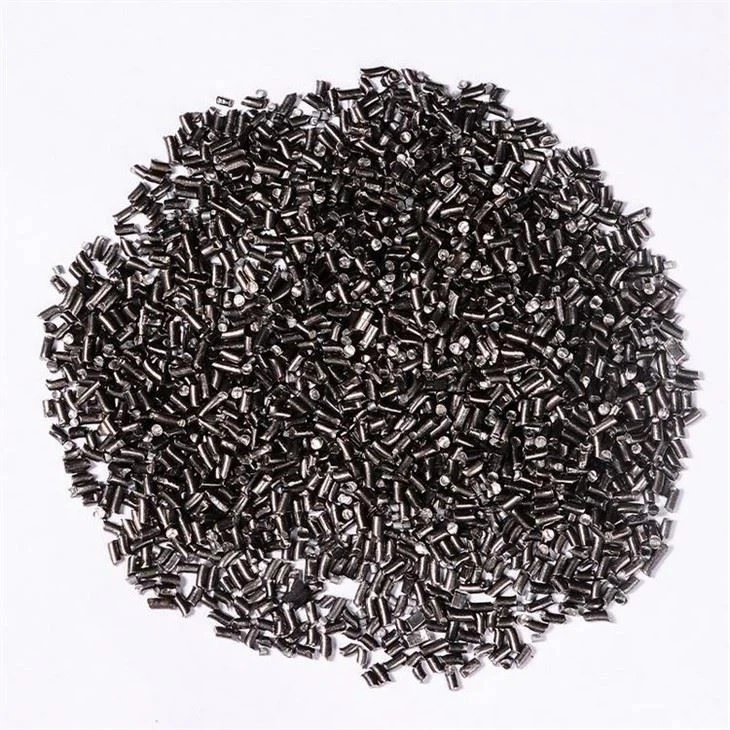
Steel Cut Wire Shot is used in shot peening processes, which are used to improve the fatigue resistance of metal components. In some cases, the shot peening process may be carried out in a wet environment. Bead steel wire used to make steel cut wire shot needs to have good water - resistance to prevent corrosion during storage and use.
Our Offerings as a Bead Steel Wire Supplier
As a bead steel wire supplier, we understand the importance of water - resistance in different applications. We offer a wide range of bead steel wires with varying levels of water - resistance. Our products are made from high - quality steel with carefully selected chemical compositions. We use advanced surface treatment techniques to ensure that our wires can withstand exposure to water and other corrosive agents.
We also conduct rigorous testing on all our products to ensure that they meet or exceed industry standards for water - resistance. Whether you need bead steel wire for tire manufacturing, brush making, or other applications, we can provide you with the right product that meets your specific water - resistance requirements.
Contact for Purchase and Consultation
If you are in the market for high - quality bead steel wire with excellent water - resistance properties, we invite you to contact us. We have a team of experts who can provide you with detailed information about our products and help you choose the most suitable bead steel wire for your application. You can visit our website Bead Steel Wire to learn more about our offerings and get in touch with us for further discussions.
References
- Jones, D. A. (2016). Principles and Prevention of Corrosion. Routledge.
- Uhlig, H. H., & Revie, R. W. (2019). Corrosion and Corrosion Control: An Introduction to Corrosion Science and Engineering. Wiley.
- ASM Handbook Committee. (2004). ASM Handbook, Volume 13A: Corrosion: Fundamentals, Testing, and Protection. ASM International.