

What is the relationship between the reduction ratio and the properties of cold drawn steel wire?
The cold drawing process is a crucial method in the production of steel wire, which significantly impacts the properties of the final product. As a supplier of Cold Drawn Steel Wire, I have witnessed firsthand the intricate relationship between the reduction ratio and the properties of cold drawn steel wire. In this blog, I will delve into this relationship, exploring how different reduction ratios can alter the mechanical, physical, and chemical properties of the steel wire.
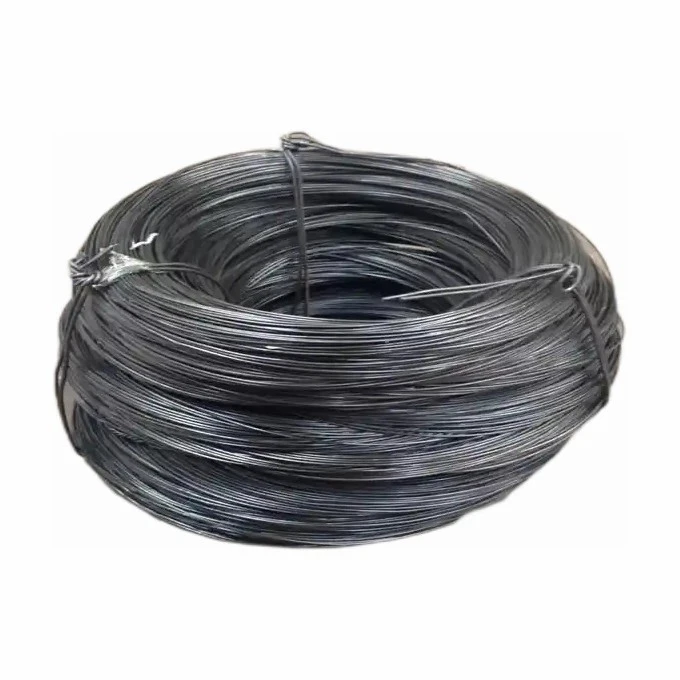
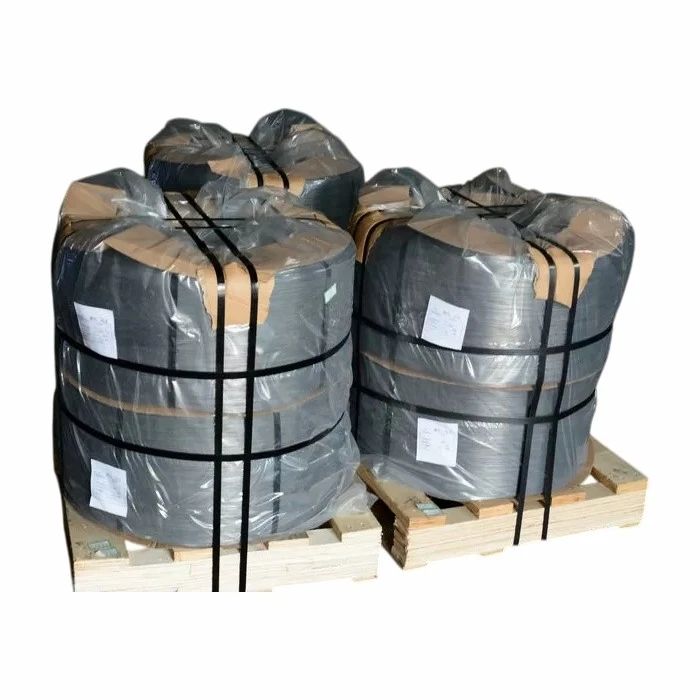
Understanding the Cold Drawing Process and Reduction Ratio
Cold drawing is a metalworking process in which a metal bar or wire is pulled through a die to reduce its cross - sectional area. The reduction ratio is defined as the ratio of the initial cross - sectional area of the wire to the final cross - sectional area after drawing. Mathematically, it can be expressed as:
Reduction ratio (R=\frac{A_0 - A_1}{A_0}\times100%), where (A_0) is the initial cross - sectional area and (A_1) is the final cross - sectional area.
This process is carried out at room temperature, which differentiates it from hot working processes. The cold drawing process not only reduces the diameter of the wire but also has a profound effect on its internal structure and properties.
Impact on Mechanical Properties
Tensile Strength
One of the most significant impacts of the reduction ratio on cold drawn steel wire is on its tensile strength. As the reduction ratio increases, the tensile strength of the steel wire also increases. This is because the cold drawing process causes the grains in the steel to elongate and align in the direction of drawing. The increased alignment of the grains and the introduction of dislocations in the crystal structure impede the movement of dislocations, making it more difficult for the material to deform under tensile stress.
For example, in a study conducted on low - carbon steel wire, it was found that with a reduction ratio of 20%, the tensile strength increased by approximately 15% compared to the initial state. When the reduction ratio was increased to 50%, the tensile strength increased by over 50%. This increase in tensile strength makes cold drawn steel wire suitable for applications where high strength is required, such as in the construction of bridges and high - rise buildings.
Ductility
In contrast to tensile strength, the ductility of cold drawn steel wire decreases as the reduction ratio increases. Ductility is the ability of a material to deform plastically before fracture. During the cold drawing process, the accumulation of dislocations and the change in the grain structure restrict the ability of the material to deform. As a result, the steel wire becomes more brittle.
A wire with a low reduction ratio will have relatively high ductility, allowing it to be bent and formed without cracking. However, a wire with a high reduction ratio may crack or break when subjected to excessive bending or forming operations. This reduction in ductility needs to be carefully considered when selecting cold drawn steel wire for applications that require significant deformation, such as in the manufacturing of wire mesh or springs.
Hardness
The hardness of cold drawn steel wire also increases with an increase in the reduction ratio. Hardness is a measure of a material's resistance to indentation or scratching. The cold drawing process work - hardens the steel wire by increasing the density of dislocations and changing the grain structure. As the reduction ratio rises, more dislocations are introduced, and the grains become more refined, leading to an increase in hardness.
Higher hardness can be beneficial in applications where wear resistance is important, such as in the production of wire ropes used in mining or lifting operations. However, it can also make the wire more difficult to machine or cut.
Impact on Physical Properties
Electrical Conductivity
The electrical conductivity of cold drawn steel wire is affected by the reduction ratio. Generally, as the reduction ratio increases, the electrical conductivity decreases slightly. This is because the cold drawing process introduces lattice defects and impurities, which scatter electrons and impede the flow of electric current.
Although the change in electrical conductivity may not be significant in most applications, it can be a critical factor in electrical and electronic applications where high conductivity is required. For example, in the production of electrical wires and cables, a balance needs to be struck between achieving the desired mechanical properties through cold drawing and maintaining an acceptable level of electrical conductivity.
Thermal Conductivity
Similar to electrical conductivity, the thermal conductivity of cold drawn steel wire also decreases with an increase in the reduction ratio. The lattice defects and the change in the grain structure caused by cold drawing disrupt the flow of heat through the material. In applications where efficient heat transfer is required, such as in heat exchangers or cooling systems, the reduction in thermal conductivity due to high reduction ratios needs to be considered.
Impact on Chemical Properties
The cold drawing process can also have an impact on the chemical properties of steel wire. An increased reduction ratio can lead to a higher surface area - to - volume ratio, which may increase the susceptibility of the wire to corrosion. Additionally, the work - hardening process can introduce internal stresses in the wire, which can accelerate corrosion in the presence of corrosive agents.
To mitigate these effects, surface treatments such as galvanizing or coating can be applied to cold drawn steel wire. These treatments provide a protective layer that prevents the steel from coming into contact with corrosive substances and helps to extend the service life of the wire.
Applications Based on Reduction Ratio
The choice of reduction ratio depends on the specific application of the cold drawn steel wire. For applications that require high strength and hardness, such as in the production of Oil Tempered Steel Wire, a high reduction ratio is preferred. Oil tempered steel wire is commonly used in the manufacturing of springs, where high strength and good fatigue resistance are essential.
On the other hand, for applications that require high ductility and formability, such as in the production of Black Annealed Tie Steel Wire, a lower reduction ratio is more suitable. Black annealed tie steel wire is often used for tying and bundling applications, where it needs to be easily bent and tied without breaking.
Cold Drawn Steel Wire with a moderate reduction ratio can offer a good balance between strength and ductility, making it suitable for a wide range of applications, including wire mesh, fencing, and general engineering purposes.
Conclusion
In conclusion, the reduction ratio plays a crucial role in determining the properties of cold drawn steel wire. It has a significant impact on the mechanical, physical, and chemical properties of the wire. As a supplier of cold drawn steel wire, I understand the importance of carefully controlling the reduction ratio to meet the specific requirements of different applications.
Whether you need high - strength steel wire for heavy - duty applications or ductile wire for easy forming, we can provide you with the right cold drawn steel wire products. Our team of experts can work with you to select the appropriate reduction ratio and ensure that the wire meets your exact specifications.
If you are interested in our Cold Drawn Steel Wire products or have any questions about the relationship between the reduction ratio and the properties of the wire, please feel free to contact us for procurement and further discussions. We are committed to providing high - quality products and excellent customer service.
References
- Callister, W. D., & Rethwisch, D. G. (2014). Materials Science and Engineering: An Introduction. Wiley.
- ASM Handbook Committee. (1990). ASM Handbook: Volume 8: Mechanical Testing and Evaluation. ASM International.
- Totten, G. E., & MacKenzie, D. A. (2003). Handbook of Aluminum: Physical Metallurgy and Processes. CRC Press.