

What is the wear resistance of traditional phosphating coatings?
As a supplier of traditional phosphating products, I've had the privilege of witnessing firsthand the remarkable properties and widespread applications of traditional phosphating coatings. One of the most critical aspects that customers often inquire about is the wear resistance of these coatings. In this blog post, I'll delve into what wear resistance means in the context of traditional phosphating coatings, the factors that influence it, and why it matters in various industries.
Understanding Wear Resistance
Wear resistance refers to a material's ability to withstand the effects of wear, which can occur due to friction, abrasion, erosion, or other mechanical actions. In the case of traditional phosphating coatings, wear resistance is crucial because it determines how well the coated surface can maintain its integrity and functionality over time, especially in environments where it is exposed to constant rubbing, scraping, or impact.
Traditional phosphating is a chemical treatment process that forms a layer of phosphate crystals on the surface of a metal substrate. This phosphate layer serves several purposes, including corrosion protection, improved paint adhesion, and enhanced wear resistance. The wear resistance of a phosphating coating is primarily attributed to the unique structure and composition of the phosphate crystals.
Structure and Composition of Phosphate Crystals
Phosphate crystals are typically small, irregularly shaped particles that form a dense, porous layer on the metal surface. This porous structure allows the coating to absorb and distribute lubricants, which reduces friction and wear between the coated surface and other contacting materials. Additionally, the hardness and chemical stability of the phosphate crystals contribute to their ability to resist abrasion and erosion.
The composition of the phosphate crystals can vary depending on the type of phosphating process used and the specific formulation of the phosphating solution. Common types of phosphate coatings include zinc phosphate, manganese phosphate, and iron phosphate. Each type has its own unique properties and characteristics, which can affect the wear resistance of the coating.
- Zinc Phosphate Coatings: Zinc phosphate coatings are widely used in the automotive, appliance, and metal finishing industries due to their excellent corrosion resistance and paint adhesion properties. They also offer good wear resistance, especially when used in combination with a lubricant. Zinc phosphate coatings typically have a fine-grained structure that provides a smooth surface finish, which helps to reduce friction and wear.
- Manganese Phosphate Coatings: Manganese phosphate coatings are known for their high hardness and wear resistance. They are commonly used in applications where the coated surface is subjected to heavy loads, high pressures, or severe wear conditions. Manganese phosphate coatings have a coarse-grained structure that provides excellent adhesion and retention of lubricants, which further enhances their wear resistance.
- Iron Phosphate Coatings: Iron phosphate coatings are the most basic type of phosphate coating and are often used as a pre-treatment for painting or powder coating. They offer moderate wear resistance and are typically less expensive than zinc or manganese phosphate coatings. Iron phosphate coatings have a relatively thin, porous structure that provides some protection against corrosion and wear.
Factors Affecting Wear Resistance
Several factors can affect the wear resistance of traditional phosphating coatings. Understanding these factors is essential for optimizing the performance of the coating and ensuring its long-term durability.
- Coating Thickness: The thickness of the phosphating coating can have a significant impact on its wear resistance. Generally, thicker coatings provide better wear protection than thinner coatings. However, there is a limit to how thick a phosphating coating can be applied, as overly thick coatings can become brittle and prone to cracking.
- Surface Preparation: Proper surface preparation is crucial for achieving good adhesion and wear resistance of the phosphating coating. The metal surface must be clean, free of contaminants, and properly etched to ensure that the phosphate crystals can form a strong bond with the substrate. Any impurities or residues on the surface can interfere with the formation of the phosphate layer and reduce its wear resistance.
- Phosphating Process Parameters: The process parameters of the phosphating treatment, such as temperature, time, and pH, can also affect the wear resistance of the coating. Optimal process conditions are required to ensure the formation of a uniform, dense, and well-adhered phosphate layer. Deviations from the recommended process parameters can result in a coating with poor wear resistance.
- Lubrication: The use of lubricants can significantly improve the wear resistance of phosphating coatings. Lubricants help to reduce friction and wear between the coated surface and other contacting materials by providing a protective film that separates the two surfaces. The type and amount of lubricant used should be carefully selected based on the specific application and operating conditions.
Applications of Traditional Phosphating Coatings
The wear resistance of traditional phosphating coatings makes them suitable for a wide range of applications in various industries. Some common applications include:
- Automotive Industry: Phosphating coatings are widely used in the automotive industry for engine components, transmission parts, and suspension systems. They provide excellent wear resistance and corrosion protection, which helps to extend the service life of these critical components.
- Manufacturing Industry: In the manufacturing industry, phosphating coatings are used on tools, dies, and machine parts to improve their wear resistance and reduce friction. They are also used as a pre-treatment for painting or powder coating to enhance the adhesion and durability of the finish.
- Aerospace Industry: The aerospace industry requires materials and components that can withstand extreme conditions, including high temperatures, pressures, and wear. Phosphating coatings are used on aircraft engines, landing gear, and other critical components to provide wear protection and improve performance.
- Construction Industry: Phosphating coatings are used in the construction industry for structural steel, fasteners, and other metal components. They offer corrosion protection and wear resistance, which helps to ensure the long-term durability and safety of these structures.
Our Traditional Phosphating Products
As a leading supplier of traditional phosphating products, we offer a wide range of phosphating agents that are specifically formulated to meet the diverse needs of our customers. Our products include Cold-drawn Steel Phosphatizing Agents, Phosphatizing Agents for Continuous Line, and Immersion Line Phosphatizing Agents.
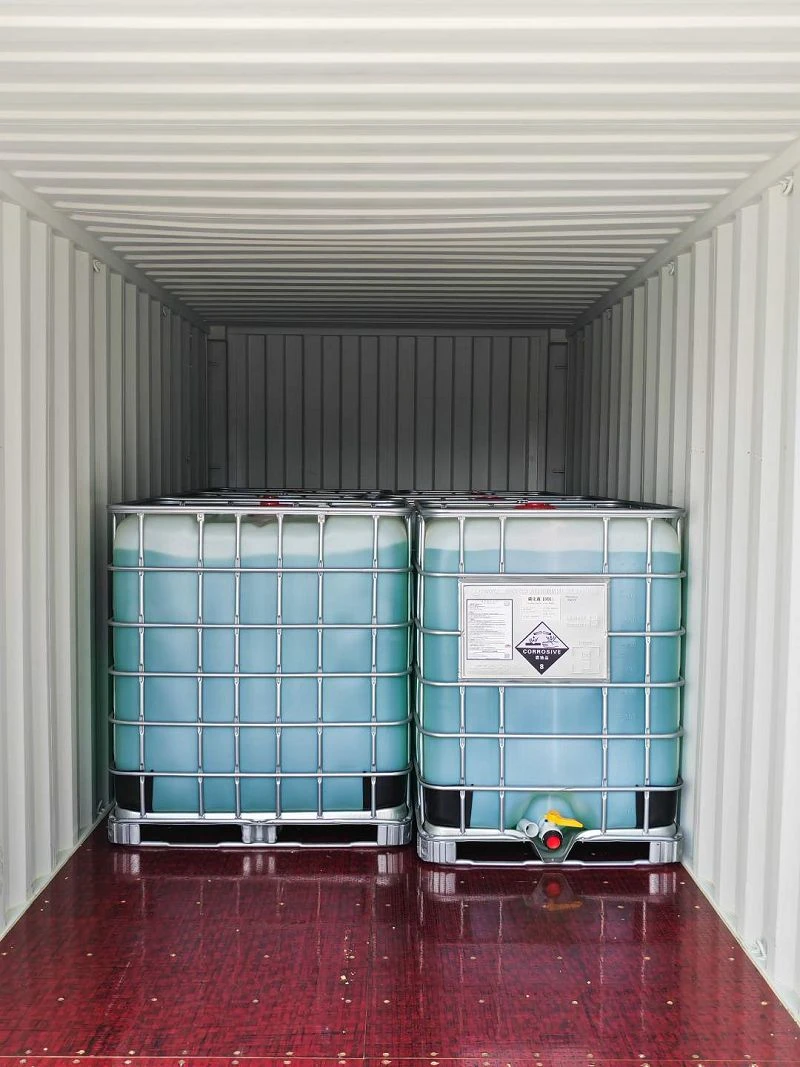
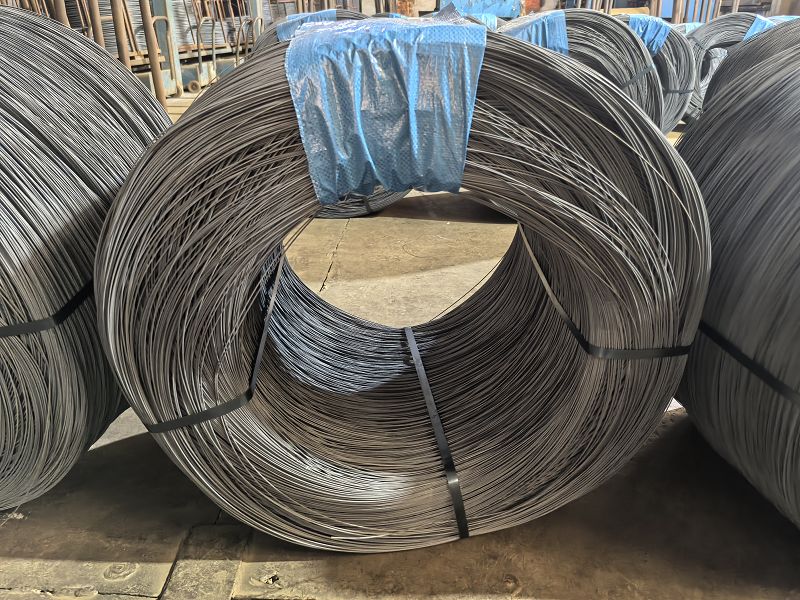
Our phosphating agents are carefully formulated using high-quality raw materials and advanced manufacturing processes to ensure consistent performance and excellent wear resistance. We also offer technical support and customization services to help our customers select the right phosphating product for their specific application and achieve the best possible results.
Conclusion
The wear resistance of traditional phosphating coatings is a critical property that makes them suitable for a wide range of applications in various industries. The unique structure and composition of the phosphate crystals, along with proper surface preparation and the use of lubricants, contribute to the excellent wear resistance of these coatings. By understanding the factors that affect wear resistance and selecting the right phosphating product for the specific application, customers can ensure the long-term durability and performance of their coated components.
If you are interested in learning more about our traditional phosphating products or would like to discuss your specific requirements, please feel free to contact us. Our team of experts is ready to assist you in finding the best solution for your needs.
References
-ASM Handbook, Volume 5: Surface Engineering. ASM International, 1994.
- "Phosphating of Metals" by George S. Brady and Henry R. Clauser. John Wiley & Sons, 1971.
- "Metal Finishing Guidebook and Directory" by Eugene A. Mallory and George B. Hajdu. Industrial Publishing & Printing Co., 1987.