

What is the relationship between the thickness of traditional phosphating coatings and performance?
Traditional phosphating is a well - established surface treatment process that has been used for decades across various industries. As a traditional phosphating supplier, I have witnessed firsthand the importance of understanding the relationship between the thickness of traditional phosphating coatings and their performance. In this blog, I will delve into this relationship, exploring how coating thickness impacts different aspects of performance and why it matters in practical applications.
The Basics of Traditional Phosphating
Traditional phosphating involves the chemical reaction between a metal surface (usually iron, steel, zinc, or aluminum) and a phosphating solution. This reaction forms a layer of phosphate crystals on the metal surface, which can provide several benefits such as corrosion resistance, improved paint adhesion, and reduced friction in metal - to - metal contact.
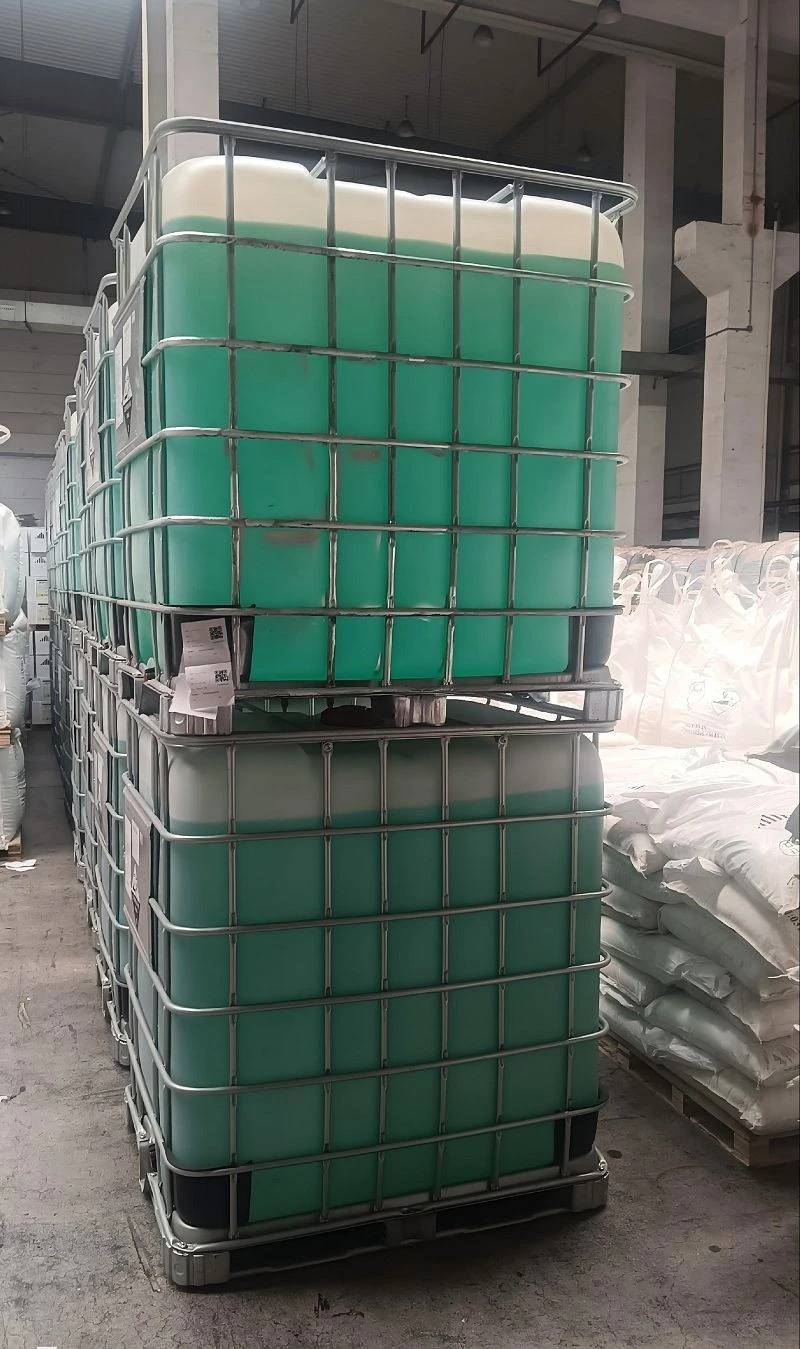
The phosphating process can be carried out through different methods, including immersion and spray processes. The choice of process depends on factors such as the size and shape of the workpiece, production volume, and specific performance requirements. Our company offers a range of phosphating agents suitable for different processes, including Phosphatizing Agents for Continuous Line, Cold - drawn Steel Phosphatizing Agents, and Immersion Line Phosphatizing Agents.
Corrosion Resistance
One of the primary functions of a traditional phosphating coating is to provide corrosion resistance. The phosphate layer acts as a barrier between the metal surface and the surrounding environment, preventing oxygen, moisture, and other corrosive agents from reaching the metal.
In general, a thicker phosphating coating offers better corrosion resistance. A thicker layer of phosphate crystals provides a more continuous and dense barrier, reducing the likelihood of corrosive agents penetrating to the metal surface. However, there is a limit to the improvement in corrosion resistance with increasing coating thickness.
Beyond a certain thickness, the additional protection provided by the coating may be minimal. This is because other factors, such as the quality of the phosphate crystal structure and the presence of any defects in the coating, can also influence corrosion resistance. For example, if the phosphate crystals are poorly formed or if there are cracks or pores in the coating, the corrosion resistance may be compromised even with a relatively thick coating.
Paint Adhesion
Another important aspect of traditional phosphating coatings is their ability to improve paint adhesion. The phosphate layer provides a rough surface for the paint to adhere to, increasing the mechanical interlocking between the paint and the metal substrate.
The thickness of the phosphating coating can have a significant impact on paint adhesion. A thin phosphating coating may not provide enough surface roughness for optimal paint adhesion. As the coating thickness increases, the surface roughness also increases, which can enhance paint adhesion. However, if the coating is too thick, it may become brittle and prone to cracking, which can lead to poor paint adhesion and premature paint failure.
Therefore, it is crucial to find the optimal coating thickness for paint adhesion. This typically requires a balance between providing enough surface roughness for good adhesion and ensuring that the coating remains intact and does not crack during the painting process or in service.
Friction and Wear Resistance
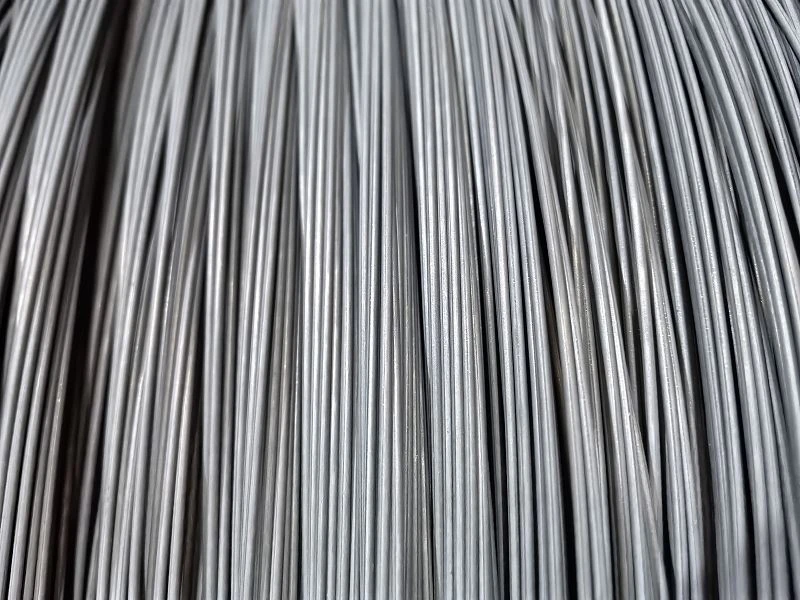
In applications where metal - to - metal contact occurs, such as in automotive engines and machinery, traditional phosphating coatings can be used to reduce friction and improve wear resistance. The phosphate layer acts as a solid lubricant, separating the two metal surfaces and reducing the direct contact and friction between them.
The thickness of the phosphating coating can affect friction and wear resistance. A thicker coating generally provides better friction and wear resistance because it can withstand more wear and tear before the metal surfaces come into direct contact. However, similar to corrosion resistance and paint adhesion, there is an optimal coating thickness for friction and wear resistance.
If the coating is too thick, it may increase the coefficient of friction rather than reducing it. This is because the thick coating may not be able to conform to the surface irregularities of the metal parts, leading to increased contact pressure and friction. Additionally, a very thick coating may be more prone to delamination under high - load conditions, which can also reduce wear resistance.
Factors Affecting Coating Thickness
Several factors can influence the thickness of traditional phosphating coatings. These include the composition of the phosphating solution, the process parameters (such as temperature, time, and agitation), and the nature of the metal substrate.
The composition of the phosphating solution plays a crucial role in determining the coating thickness. Different phosphating agents contain different concentrations of phosphoric acid, metal salts, and additives, which can affect the rate of the phosphating reaction and the growth of the phosphate crystals. For example, a phosphating solution with a higher concentration of metal salts may result in a thicker coating.
Process parameters also have a significant impact on coating thickness. Increasing the temperature of the phosphating solution generally increases the reaction rate and can lead to a thicker coating. Similarly, longer immersion times or more intense agitation can also increase the coating thickness. However, these parameters need to be carefully controlled to avoid over - phosphating, which can result in a poor - quality coating.
The nature of the metal substrate, such as its surface roughness, cleanliness, and composition, can also affect coating thickness. A rough surface provides more sites for the phosphating reaction to occur, which can result in a thicker coating. On the other hand, a dirty or contaminated surface may prevent the phosphating reaction from proceeding properly, leading to a thinner or inconsistent coating.
Determining the Optimal Coating Thickness
Determining the optimal coating thickness for a specific application requires a combination of theoretical knowledge and practical experience. It is important to consider the specific performance requirements of the application, such as corrosion resistance, paint adhesion, and friction and wear resistance, as well as the limitations of the phosphating process.
In some cases, it may be necessary to conduct laboratory tests to evaluate the performance of different coating thicknesses. This can involve measuring corrosion rates, paint adhesion strength, and friction coefficients under controlled conditions. Based on the test results, the optimal coating thickness can be determined.
In addition to laboratory tests, field trials can also be valuable in determining the optimal coating thickness. By applying different coating thicknesses to actual parts and monitoring their performance in real - world conditions, it is possible to gain a better understanding of how the coating thickness affects performance over time.
Conclusion
In conclusion, the thickness of traditional phosphating coatings has a complex relationship with their performance. While a thicker coating generally offers better corrosion resistance, paint adhesion, and friction and wear resistance, there are limits to the improvement in performance with increasing thickness. It is crucial to find the optimal coating thickness for each specific application, taking into account factors such as the quality of the phosphate crystal structure, the presence of defects in the coating, and the specific performance requirements.
As a traditional phosphating supplier, we are committed to helping our customers achieve the best possible performance from their phosphating coatings. We offer a wide range of phosphating agents and technical support to assist in determining the optimal coating thickness and process parameters for each application. If you are interested in learning more about our products or have any questions about traditional phosphating, please feel free to contact us for a consultation. We look forward to working with you to meet your phosphating needs.
References
- P. A. Schweitzer, “Corrosion Resistance Tables”, 5th Edition, McGraw - Hill, 1995.
- W. J. van Ooij, “The Chemistry of Phosphating”, Surface Engineering, Vol. 9, No. 2, 1993, pp. 87 - 96.
- G. S. Frankel, “Introduction to Corrosion Science”, Cambridge University Press, 2012.