

What regulations should be followed if using steel cut wire shot in the food industry?
When it comes to the food industry, safety and quality are of paramount importance. Steel cut wire shot, a product that my company supplies, has a range of applications in this industry, but it must be used in strict accordance with specific regulations. This blog post will explore the key regulations that should be followed when using steel cut wire shot in the food industry.
1. Material Purity and Composition
The first and most fundamental regulation concerns the material purity and composition of steel cut wire shot. In the food industry, any material that comes into contact with food products must be free from harmful substances. The steel used to make the cut wire shot should be of high - quality grade, typically stainless steel or carbon steel with appropriate anti - corrosion properties.
Stainless steel cut wire shot is often preferred due to its excellent corrosion resistance, which helps prevent the formation of rust and other contaminants that could potentially enter the food. The composition of the stainless steel should meet industry standards, such as containing a sufficient amount of chromium (usually at least 10.5%) to form a passive oxide layer on the surface, protecting it from corrosion.
Carbon steel can also be used, but it requires proper coating or treatment to enhance its corrosion resistance. For example, a zinc coating can be applied to carbon steel cut wire shot. This coating acts as a sacrificial anode, protecting the underlying steel from oxidation.
It is essential that the steel cut wire shot does not contain heavy metals such as lead, mercury, cadmium, or arsenic in concentrations above the allowable limits. These heavy metals are toxic and can pose serious health risks if they contaminate food products. Regular testing of the steel cut wire shot for heavy metal content should be carried out to ensure compliance with regulations.
2. Size and Shape Consistency
The size and shape of steel cut wire shot are also regulated in the food industry. The size of the shot should be carefully controlled to ensure uniform cleaning and surface treatment. If the shot is too large, it may cause excessive abrasion on the equipment or food - contact surfaces, leading to damage and potential contamination. On the other hand, if the shot is too small, it may not be effective in removing contaminants.
The shape of the steel cut wire shot should be as regular as possible. Irregularly shaped shot can cause uneven wear on the equipment and may also be more likely to get stuck in crevices, making it difficult to clean and increasing the risk of contamination. Manufacturers should follow strict quality control measures to ensure that the size and shape of the steel cut wire shot meet the specified standards.
3. Surface Cleanliness
Before being used in the food industry, steel cut wire shot must be thoroughly cleaned to remove any surface contaminants. These contaminants can include dust, grease, oil, and metal particles from the manufacturing process. A dirty shot can transfer these contaminants to the food - contact surfaces, posing a risk to food safety.
Cleaning methods can include ultrasonic cleaning, chemical cleaning, or a combination of both. Ultrasonic cleaning uses high - frequency sound waves to create microscopic bubbles in a cleaning solution, which then implode and remove contaminants from the surface of the shot. Chemical cleaning involves the use of solvents or detergents to dissolve and remove grease and oil.
After cleaning, the steel cut wire shot should be dried completely to prevent the growth of bacteria and other microorganisms. The dried shot should be stored in a clean and dry environment to maintain its cleanliness until it is ready for use.
4. Traceability
Traceability is a crucial regulation in the food industry. It is essential to be able to trace the origin, manufacturing process, and usage history of steel cut wire shot. This allows for quick identification and recall of any potentially contaminated products in case of a food safety incident.
Manufacturers should keep detailed records of the raw materials used, the production process, including heat treatment and surface finishing, and the quality control tests carried out. These records should be easily accessible and can be provided to regulatory authorities upon request.
In addition, when supplying steel cut wire shot to the food industry, suppliers should provide clear labeling on the packaging, including information such as the product name, batch number, manufacturing date, and expiration date (if applicable). This helps food manufacturers to track and manage the use of the shot effectively.
5. Compatibility with Food - Contact Surfaces
Steel cut wire shot must be compatible with the food - contact surfaces it comes into contact with. Different materials, such as stainless steel, aluminum, and plastic, have different surface properties and may react differently to the abrasive action of the shot.
For example, using a too - abrasive steel cut wire shot on a soft plastic surface can cause scratches and damage, which can then harbor bacteria and other contaminants. Therefore, it is important to select the appropriate type and grade of steel cut wire shot based on the material of the food - contact surface.
Before using steel cut wire shot on a new food - contact surface, it is advisable to conduct a small - scale test to ensure compatibility. This can help prevent damage to the surface and potential contamination of food products.
6. Handling and Storage
Proper handling and storage of steel cut wire shot are also regulated in the food industry. During handling, the shot should be protected from contamination. Workers should wear appropriate protective equipment, such as gloves and masks, to prevent the transfer of dirt and sweat to the shot.
The storage environment for steel cut wire shot should be clean, dry, and well - ventilated. The shot should be stored in sealed containers to prevent the entry of dust, moisture, and other contaminants. It is also important to store the shot away from chemicals and other substances that could potentially react with it.

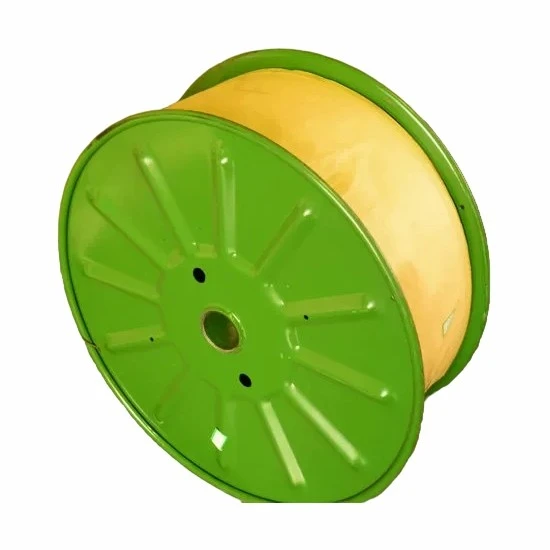
Regular inspections of the stored steel cut wire shot should be carried out to check for signs of corrosion, contamination, or degradation. Any shot that shows signs of damage or contamination should be removed and disposed of properly.
7. Waste Disposal
After use, steel cut wire shot that is no longer suitable for further use must be disposed of in accordance with environmental regulations. The shot may contain contaminants such as rust, grease, and metal particles, which can be harmful to the environment if not disposed of properly.
Recycling is often the preferred method of disposal for steel cut wire shot. Recycling helps conserve natural resources and reduces the environmental impact. However, if the shot is heavily contaminated and cannot be recycled, it should be disposed of in a licensed waste disposal facility.
Conclusion
In conclusion, using steel cut wire shot in the food industry requires strict adherence to a range of regulations. These regulations cover aspects such as material purity, size and shape consistency, surface cleanliness, traceability, compatibility with food - contact surfaces, handling and storage, and waste disposal. As a [Steel Cut Wire Shot Supplier], we are committed to providing high - quality steel cut wire shot that meets all the relevant regulations in the food industry.
If you are in the food industry and are interested in purchasing steel cut wire shot, we invite you to contact us for more information and to discuss your specific requirements. We have a wide range of products, including Steel Wire for Brush, Flexible Duct Wire, and Cold Drawn Spring Wire Rods, which can be tailored to your needs. Our team of experts is ready to assist you in selecting the most suitable products and ensuring compliance with all relevant regulations.
References
- Food and Drug Administration (FDA) regulations on food - contact materials.
- International Organization for Standardization (ISO) standards related to steel materials and surface treatment.
- Industry best practices guides for the use of abrasive materials in the food industry.