

What is the surface finish of round steel wire?
Surface finish of round steel wire refers to the texture and quality of the outer layer of the wire. It plays a crucial role in determining the wire's performance, appearance, and suitability for various applications. As a reliable Round Steel Wire supplier, I have in - depth knowledge about this topic and would like to share some key aspects with you.
1. Importance of Surface Finish
The surface finish of round steel wire is not just about aesthetics; it has a significant impact on the wire's functionality. A smooth surface finish reduces friction, which is particularly important in applications where the wire is used for moving parts or in high - speed operations. For example, in the automotive industry, round steel wires with a good surface finish are used in engine components and transmission systems. The reduced friction not only improves the efficiency of the machinery but also extends the service life of the wire by minimizing wear and tear.
In addition, the surface finish affects the corrosion resistance of the wire. A uniform and smooth surface is less likely to trap moisture and contaminants, which are the main causes of corrosion. This is especially critical for outdoor applications or in environments with high humidity or chemical exposure. For instance, round steel wires used in construction for fencing or reinforcement need to have a proper surface finish to withstand the elements and maintain their structural integrity over time.
2. Common Surface Finishes of Round Steel Wire
2.1 Bright Finish
A bright finish is achieved through processes such as cold drawing and electro - polishing. Cold drawing involves pulling the wire through a series of dies to reduce its diameter and improve its surface smoothness. Electro - polishing further enhances the brightness and smoothness by removing a thin layer of the metal surface through an electrochemical process.
Bright finished round steel wires are highly reflective and have an aesthetically pleasing appearance. They are commonly used in applications where appearance matters, such as in the jewelry industry for making chains and ornaments. The smooth surface also makes them suitable for applications where cleanliness is important, like in the food processing industry, where the wire may come into contact with food products. You can find more information about high - quality round steel wires on our Round Steel Wire page.

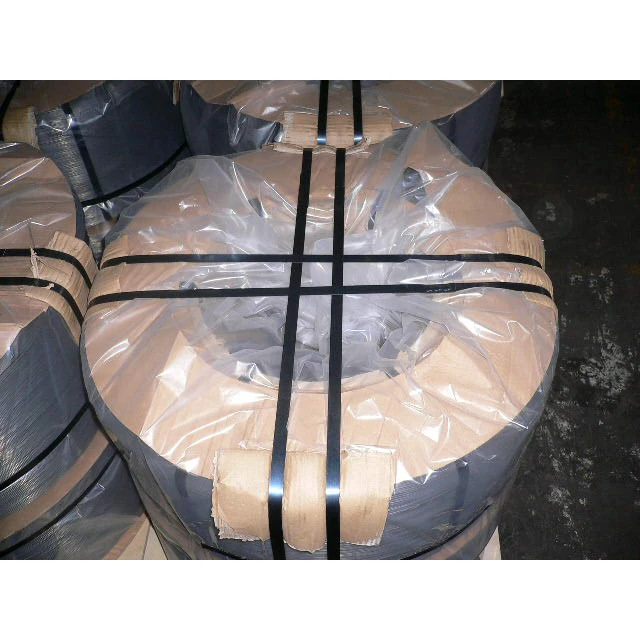
2.2 Galvanized Finish
Galvanizing is a process of coating the steel wire with a layer of zinc to protect it from corrosion. There are two main types of galvanizing: hot - dip galvanizing and electro - galvanizing.
Hot - dip galvanizing involves immersing the wire in a bath of molten zinc. This results in a thick and durable zinc coating that provides long - term corrosion protection. The zinc coating acts as a sacrificial anode, corroding in place of the steel wire. Hot - dip galvanized round steel wires are widely used in outdoor applications, such as in agriculture for fencing and in construction for reinforcing concrete structures.
Electro - galvanizing, on the other hand, uses an electrochemical process to deposit a thin layer of zinc onto the wire. While the coating is thinner than that of hot - dip galvanizing, electro - galvanized wires have a more uniform and smoother appearance. They are often used in applications where a lighter corrosion protection is sufficient, such as in the manufacturing of small metal parts.
2.3 Black Oxide Finish
The black oxide finish is a chemical conversion coating that creates a black - colored layer on the surface of the steel wire. This finish not only provides a certain degree of corrosion resistance but also gives the wire a unique appearance.
Black oxide finished round steel wires are commonly used in applications where a low - reflectance surface is desired, such as in the optical and electronic industries. The black color can also help to reduce glare and improve the visual contrast in some applications. Additionally, the black oxide coating can provide a small amount of lubricity, which is beneficial in applications where the wire needs to slide or move smoothly.
3. Factors Affecting Surface Finish
3.1 Raw Material Quality
The quality of the raw steel used to make the round wire has a direct impact on the surface finish. High - quality steel with fewer impurities and a more uniform microstructure is easier to process and can achieve a better surface finish. Impurities in the steel, such as sulfur and phosphorus, can cause surface defects during processing, resulting in a rough or uneven finish.
3.2 Processing Techniques
The manufacturing processes used to produce the round steel wire, such as drawing, annealing, and coating, significantly affect the surface finish. The quality of the dies used in the drawing process, for example, can determine the smoothness of the wire surface. If the dies are worn or have imperfections, they can leave marks on the wire.
Annealing, which is a heat - treatment process, can also influence the surface finish. Proper annealing can relieve internal stresses in the wire and improve its ductility, making it easier to achieve a smooth surface during subsequent processing steps.
4. Surface Finish and Application Compatibility
It is essential to choose the right surface finish based on the specific application requirements. For example, if the round steel wire is going to be used in a high - temperature environment, a surface finish that can withstand high temperatures without degrading is necessary. Some surface finishes may lose their protective properties or change their appearance at high temperatures.
In applications where the wire will be in contact with chemicals, a surface finish that is resistant to chemical corrosion should be selected. For instance, in the chemical processing industry, wires with a special chemical - resistant coating may be required.
When considering the use of round steel wire in combination with other materials, the surface finish can also affect the compatibility. For example, a wire with a rough surface finish may not bond well with certain polymers or adhesives, while a smooth surface may provide better adhesion.
5. Our Offerings as a Round Steel Wire Supplier
As a leading Round Steel Wire supplier, we offer a wide range of round steel wires with different surface finishes to meet the diverse needs of our customers. Our production processes are strictly controlled to ensure high - quality surface finishes.
We also provide customized solutions. If you have specific requirements for the surface finish, diameter, or other properties of the round steel wire, our technical team can work with you to develop a product that meets your exact specifications.
In addition to round steel wire, we also offer Cold Rolled Flat Steel Wire Strips and Rectangular Steel Wire, which can be used in various applications, such as in the manufacturing of springs, screens, and mesh products.
6. Contact Us for Procurement
If you are interested in purchasing round steel wire or have any questions about surface finishes, we encourage you to contact us. Our sales team is ready to assist you with product selection, pricing, and any other information you may need. We are committed to providing high - quality products and excellent customer service. Let's start a conversation about your round steel wire needs today!
References
- ASM Handbook Volume 5: Surface Engineering. ASM International.
- Metals Handbook Desk Edition, 3rd Edition. ASM International.
- Galvanizing: A Guide to Hot - Dip Galvanizing. American Galvanizers Association.