

What is the role of degreasing in traditional phosphating pretreatment?
In the realm of metal surface treatment, traditional phosphating pretreatment stands as a time - tested and widely used process. It involves the formation of a phosphate coating on the metal surface, which offers enhanced corrosion resistance, improved paint adhesion, and other beneficial properties. One crucial step in this pretreatment process is degreasing. As a traditional phosphating supplier, I am well - versed in the significance of degreasing and its role in ensuring the effectiveness of the entire phosphating process.
The Basics of Traditional Phosphating
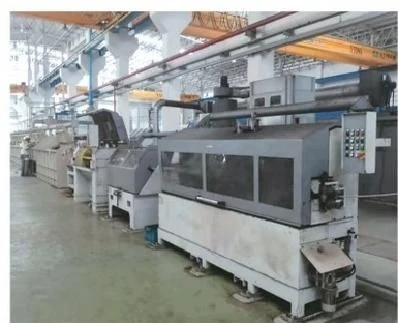
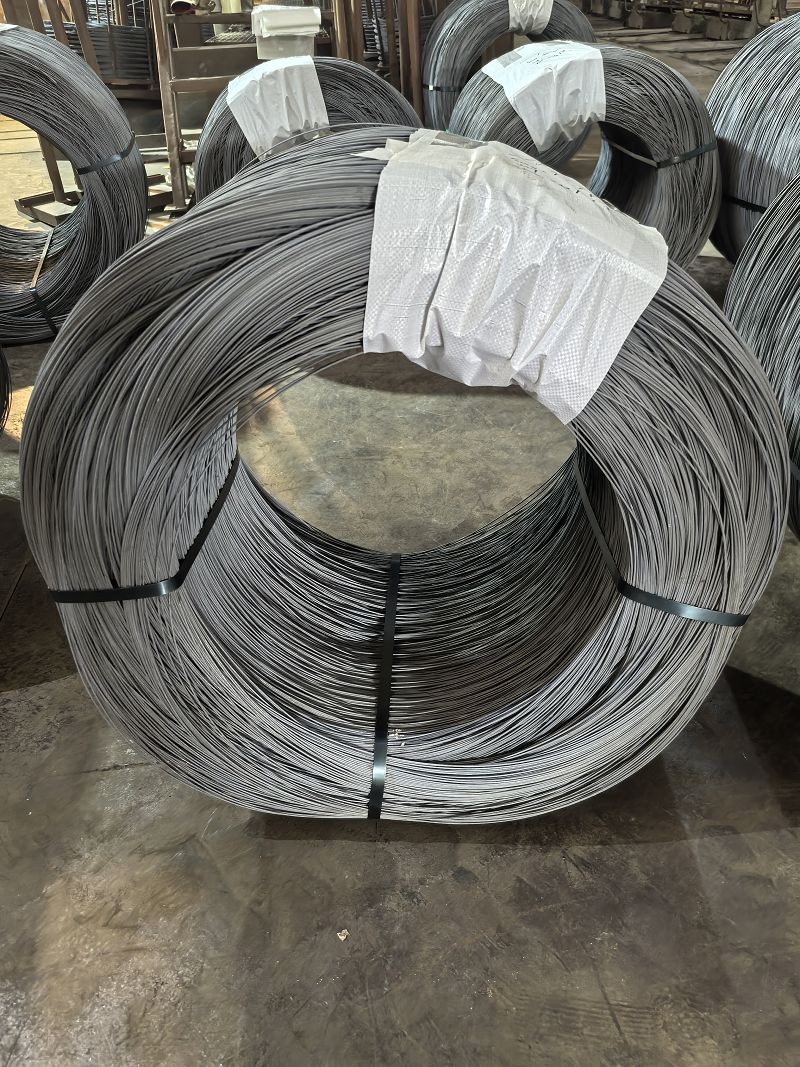
Traditional phosphating is a chemical process where metal surfaces, typically iron, steel, zinc, or aluminum, react with a phosphate solution. This reaction results in the deposition of a phosphate layer on the metal surface. The phosphate coating acts as a barrier, protecting the metal from corrosion and providing a rough surface for better paint adhesion. There are different types of phosphating agents available for various applications, such as Phosphatizing Agents for Continuous Line, Cold - drawn Steel Phosphatizing Agents, and Immersion Line Phosphatizing Agents.
Why Degreasing is Necessary
- Removal of Contaminants
- Metal surfaces often come into contact with various contaminants during manufacturing, storage, and handling. These contaminants include oils, greases, dirt, and fingerprints. Oils and greases can be present due to machining operations, where cutting fluids and lubricants are used to reduce friction and wear. If these contaminants are not removed before phosphating, they will act as a barrier between the metal surface and the phosphating solution.
- The phosphate coating cannot form properly on a greasy surface. The oil or grease prevents the chemical reaction between the metal and the phosphating agents from occurring uniformly. As a result, the phosphate coating may be patchy, thin in some areas, or completely absent in others. This compromised coating will not provide the desired corrosion resistance or paint adhesion properties.
- Enhancing Chemical Reaction
- For the phosphating reaction to proceed effectively, the metal surface needs to be clean and reactive. Degreasing exposes the bare metal surface, allowing the phosphating agents to interact directly with the metal atoms. The clean surface provides a larger area for the chemical reaction to take place, promoting the formation of a more uniform and dense phosphate coating.
- When the surface is free of grease, the phosphating solution can wet the metal surface more easily. This wetting is essential for the proper diffusion of the phosphating agents into the metal surface and the subsequent formation of the phosphate crystals. A well - wetted surface also helps in the even distribution of the coating, which is crucial for the overall performance of the treated metal.
- Improving Coating Adhesion
- Paint adhesion is one of the key benefits of traditional phosphating. A properly degreased surface ensures better adhesion of the phosphate coating to the metal, which in turn improves the adhesion of the paint to the phosphate - coated surface. If there are traces of grease on the metal, the paint will not bond well with the surface. Over time, the paint may peel, blister, or flake off, leaving the metal exposed to corrosion.
- By removing the grease, degreasing creates a surface with a higher surface energy. A high - energy surface is more receptive to the paint, allowing the paint molecules to form strong chemical and physical bonds with the phosphate coating. This results in a more durable and long - lasting paint finish.
Degreasing Methods
- Solvent Degreasing
- Solvent degreasing involves the use of organic solvents such as chlorinated solvents (e.g., trichloroethylene, perchloroethylene) or hydrocarbon solvents (e.g., mineral spirits). These solvents have the ability to dissolve oils and greases. The metal parts are either immersed in the solvent bath or the solvent is sprayed onto the surface.
- Solvent degreasing is a fast and effective method, especially for removing heavy - duty greases and oils. However, it has some drawbacks. Chlorinated solvents are known to be harmful to the environment and human health. They can contribute to ozone depletion and may cause respiratory and skin problems. Hydrocarbon solvents are flammable, which requires strict safety measures during handling and storage.
- Alkaline Degreasing
- Alkaline degreasing uses alkaline solutions, typically containing sodium hydroxide, potassium hydroxide, or sodium carbonate. These solutions work by saponifying the oils and greases, converting them into water - soluble soaps. The metal parts are usually immersed in the alkaline bath at an elevated temperature (around 50 - 80°C) for a certain period of time.
- Alkaline degreasing is a more environmentally friendly option compared to solvent degreasing. It is also relatively inexpensive. However, it may not be as effective as solvent degreasing for removing certain types of stubborn greases. Additionally, proper rinsing is required after alkaline degreasing to remove any residual alkaline solution, which could otherwise interfere with the phosphating process.
- Emulsion Degreasing
- Emulsion degreasing uses a mixture of water, oil, and emulsifiers. The emulsifiers help to disperse the oil in the water, creating an emulsion. The metal parts are immersed in the emulsion bath, and the oil and grease on the surface are attracted to the oil droplets in the emulsion and removed.
- Emulsion degreasing is a milder method and is suitable for delicate metal parts. It is also less harmful to the environment compared to solvent degreasing. However, the emulsion stability needs to be carefully controlled, and the emulsion may need to be regularly refreshed to maintain its effectiveness.
Quality Control in Degreasing
- Visual Inspection
- After degreasing, a visual inspection can be carried out to check for any remaining grease or contaminants on the metal surface. A clean surface should be free of visible oil or grease spots. Any areas with visible residues indicate that the degreasing process was not successful and may require re - degreasing.
- Water Break Test
- The water break test is a simple and commonly used method to check the cleanliness of the metal surface. A thin layer of water is applied to the degreased surface. If the water forms a continuous, unbroken film on the surface, it indicates that the surface is clean and free of grease. If the water breaks into droplets, it means that there are still traces of grease on the surface, and further degreasing is needed.
- Contact Angle Measurement
- Contact angle measurement is a more precise method for assessing the surface cleanliness. A small drop of liquid (usually water) is placed on the metal surface, and the contact angle between the liquid and the surface is measured. A low contact angle indicates a high - energy, clean surface, while a high contact angle suggests the presence of grease or other contaminants.
Impact of Degreasing on the Overall Phosphating Process
- Coating Quality
- As mentioned earlier, proper degreasing is essential for the formation of a high - quality phosphate coating. A well - degreased surface ensures a uniform, dense, and adherent phosphate coating. This, in turn, improves the corrosion resistance and paint adhesion of the metal.
- Process Efficiency
- When the metal surface is properly degreased, the phosphating process can proceed more efficiently. The chemical reaction between the metal and the phosphating agents occurs more rapidly and uniformly, reducing the processing time and the consumption of phosphating agents. This leads to cost savings and increased productivity.
- Long - Term Performance
- A metal part that has undergone proper degreasing and phosphating pretreatment will have a longer service life. The improved corrosion resistance and paint adhesion properties mean that the metal is better protected from environmental factors such as moisture, oxygen, and chemicals. This results in less maintenance and replacement costs over the life of the part.
Conclusion
In conclusion, degreasing plays a vital role in traditional phosphating pretreatment. It is the foundation for the successful formation of a high - quality phosphate coating on the metal surface. By removing oils, greases, and other contaminants, degreasing ensures uniform coating formation, enhances paint adhesion, and improves the overall corrosion resistance of the metal. As a traditional phosphating supplier, I understand the importance of degreasing and offer comprehensive solutions to meet the diverse needs of our customers.
If you are in the market for high - quality traditional phosphating agents and need advice on the degreasing process, we are here to help. Our team of experts can provide you with customized solutions based on your specific requirements. Contact us today to start a procurement discussion and take your metal surface treatment to the next level.
References
- Davis, J. R. (Ed.). (2004). Surface Engineering for Corrosion and Wear Resistance. ASM International.
- O'Brien, W. K. (1991). Metal Finishing: A Practical Guide to Selecting Processes and Suppliers. McGraw - Hill.
- Preece, D. A. (1997). The Surface Treatment and Finishing of Aluminum and Its Alloys. ASM International.