

What is the role of electrolytic phosphating in the recycling of metals?
Hey there! As an electrolytic phosphating supplier, I've been diving deep into the world of metal recycling lately. You might be wondering, "What on earth does electrolytic phosphating have to do with metal recycling?" Well, let me break it down for you.
First off, let's talk a bit about what electrolytic phosphating is. It's a process where we use an electric current to deposit a phosphate coating on a metal surface. This coating can do wonders for the metal, like improving its corrosion resistance, lubricity, and paint adhesion. But how does all of this tie into metal recycling?
In the metal recycling industry, one of the major challenges is dealing with the contamination and oxidation that metals often go through. When metals are discarded, they're exposed to the elements, and over time, they start to rust and accumulate all sorts of gunk. This makes it really difficult to reuse these metals effectively. That's where electrolytic phosphating comes in.
One of the key roles of electrolytic phosphating in metal recycling is surface preparation. Before recycled metals can be used in new products, they need to have a clean and well - prepared surface. The phosphate coating created through electrolytic phosphating acts as a barrier between the metal and the environment. For example, when we're recycling steel, the phosphate coating can prevent further rusting during the recycling process and storage. This means that the recycled steel can maintain its quality and integrity, making it more suitable for use in things like construction materials or automotive parts.
Another important aspect is in the area of lubricity. During the recycling process, metals often need to be shaped and formed into new products. The phosphate coating from electrolytic phosphating provides a slippery surface, which reduces friction. This is super important because it makes the forming and shaping processes much easier and more efficient. For instance, when we're recycling aluminum to make new cans, the lubricity provided by the phosphate coating allows the metal to be easily stamped and molded without cracking or deforming.
Let's also consider the role of electrolytic phosphating in enhancing paint adhesion. A lot of recycled metals are used in products that need to be painted for aesthetic or protective reasons. The phosphate coating created by electrolytic phosphating provides a rough and porous surface for the paint to adhere to. This ensures that the paint doesn't peel or chip off easily, which is crucial for the long - term durability of the painted product. For example, when we're recycling iron to make outdoor furniture, the good paint adhesion provided by the phosphate coating means that the furniture can withstand the elements and look good for years to come.
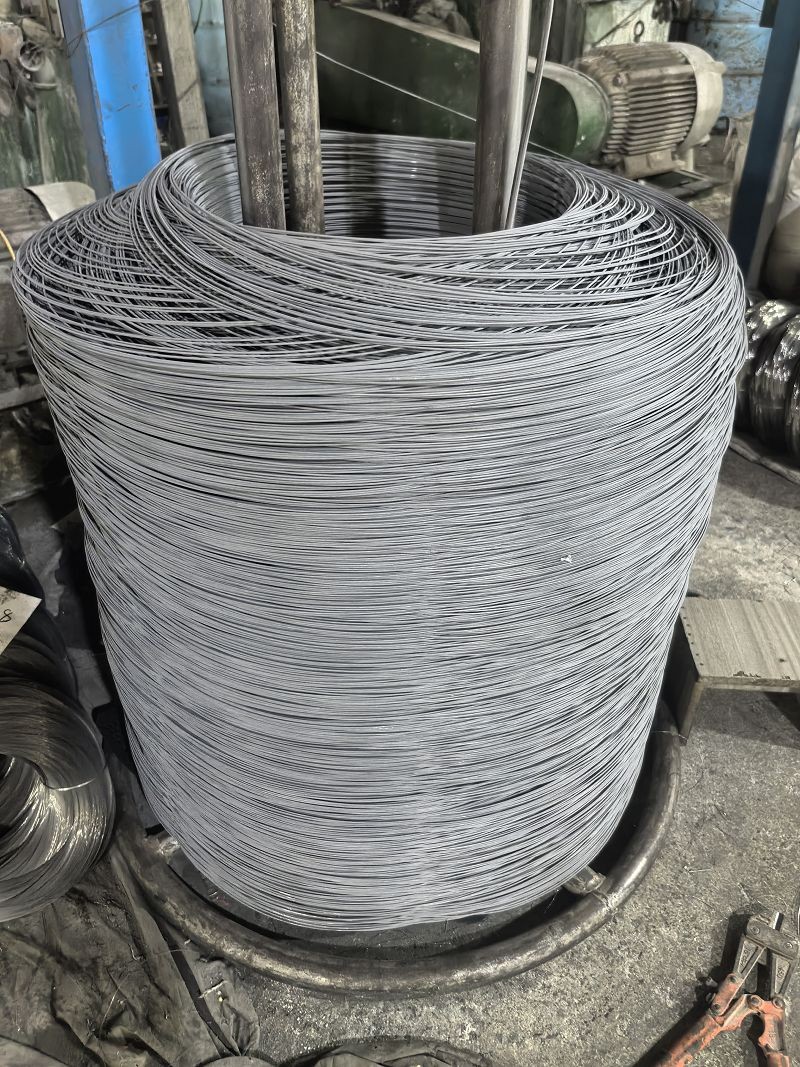
Now, I want to talk about some of the specific products we offer as an electrolytic phosphating supplier. We have Hot-rolled Wire Rod Phosphatizing Agents. These agents are specifically designed for use on hot - rolled wire rods during the recycling process. They can quickly and effectively create a high - quality phosphate coating on the wire rods, which helps in their subsequent processing, like drawing and stranding. The phosphate coating also improves the corrosion resistance of the wire rods, making them more reliable for use in electrical cables or fencing.
We also offer Online Multi-filament Electrolytic Phosphatizing Agents. These agents are great for recycling multi - filament metals. They can be used in an online process, which means that the phosphating can be done continuously as the metal is being recycled. This saves a lot of time and energy, and it ensures a consistent and high - quality phosphate coating on each filament. This is particularly useful when recycling metals for use in high - tech applications like electronics, where each filament needs to have the best possible surface properties.
The use of electrolytic phosphating in metal recycling also has environmental benefits. By improving the quality and usability of recycled metals, we can reduce the need for virgin metal extraction. Mining for virgin metals is a very resource - intensive process that can have a huge impact on the environment. It involves large - scale excavation, energy consumption, and the generation of a lot of waste. When we can effectively recycle metals using electrolytic phosphating, we're helping to conserve natural resources and reduce the carbon footprint associated with metal production.
In addition, the phosphate coatings created through electrolytic phosphating are generally non - toxic and environmentally friendly. They don't contain harmful heavy metals like lead or cadmium, which means that they won't cause any additional pollution during the recycling process or in the final products. This is a big plus in today's world, where environmental concerns are at the forefront of many industries.
When it comes to the cost - effectiveness of using electrolytic phosphating in metal recycling, it's a win - win situation. The improved quality of recycled metals means that they can be sold at a higher price in the market. The enhanced efficiency in the recycling process, thanks to the lubricity and ease of forming provided by the phosphate coating, also reduces production costs. For example, less energy is needed for shaping the metals, and there are fewer rejects due to poor quality. This all adds up to a more profitable and sustainable metal recycling operation.
In conclusion, electrolytic phosphating plays a crucial role in the recycling of metals. It helps in surface preparation, enhances lubricity, improves paint adhesion, and has significant environmental and cost - effective benefits. As an electrolytic phosphating supplier, we're committed to providing high - quality products like Hot-rolled Wire Rod Phosphatizing Agents and Online Multi-filament Electrolytic Phosphatizing Agents to support the metal recycling industry.
If you're involved in the metal recycling business and are looking for reliable electrolytic phosphating solutions, we'd love to have a chat with you. We can discuss how our products can meet your specific needs and help you take your metal recycling operations to the next level.

References
- Smith, J. (2020). "Advances in Metal Surface Treatment for Recycling". Journal of Metal Recycling, 15(2), 34 - 45.
- Johnson, A. (2019). "The Role of Phosphating in Metal Recycling Processes". International Journal of Recycling Technology, 8(3), 67 - 78.