

What is the surface finish of cold drawn steel wire like?
As a seasoned supplier of Cold Drawn Steel Wire, I'm excited to delve into the topic of what the surface finish of cold drawn steel wire is like. Cold drawn steel wire is a crucial material in various industries, and its surface finish plays a significant role in determining its performance and applications.
Understanding Cold Drawing Process
Before we explore the surface finish, it's essential to understand the cold drawing process. Cold drawing involves pulling a steel wire through a die at room temperature to reduce its diameter and improve its mechanical properties. This process enhances the wire's strength, hardness, and surface finish. As the wire passes through the die, the outer layer of the steel is subjected to high pressure and friction, which results in a smooth and uniform surface.
Characteristics of the Surface Finish
The surface finish of cold drawn steel wire is characterized by several key features:
Smoothness
One of the most notable characteristics of cold drawn steel wire is its smooth surface. The cold drawing process eliminates surface irregularities, such as scratches and pits, resulting in a mirror - like finish. This smoothness is beneficial in applications where low friction is required, such as in the manufacture of springs and cables. For example, in automotive suspension springs, a smooth surface finish reduces wear and tear, extending the lifespan of the springs.
Uniformity
Cold drawn steel wire has a highly uniform surface finish. The die used in the cold drawing process ensures that the wire's diameter and surface quality are consistent along its entire length. This uniformity is crucial in applications where precision is paramount, such as in the production of precision machinery parts. A uniform surface finish also enhances the wire's aesthetic appeal, making it suitable for decorative applications.
Hardness and Wear Resistance
The cold drawing process not only improves the surface smoothness but also increases the hardness of the wire's surface. This enhanced hardness provides excellent wear resistance, making the wire suitable for applications in harsh environments. For instance, in the construction industry, cold drawn steel wire with a hard surface finish is used for reinforcement in concrete structures, where it can withstand the abrasive forces during construction and long - term use.
Different Types of Surface Finishes in Cold Drawn Steel Wire
There are several types of surface finishes available for cold drawn steel wire, each with its own unique properties and applications:
Bright Finish
A bright finish is the most common surface finish for cold drawn steel wire. It is achieved by using a polished die during the cold drawing process. The bright finish gives the wire a shiny appearance, which is both aesthetically pleasing and provides good corrosion resistance. Bright finish cold drawn steel wire is widely used in applications such as jewelry making, where its attractive appearance is highly valued. You can find more information about our high - quality bright finish Cold Drawn Steel Wire on our website.
Black Annealed Finish
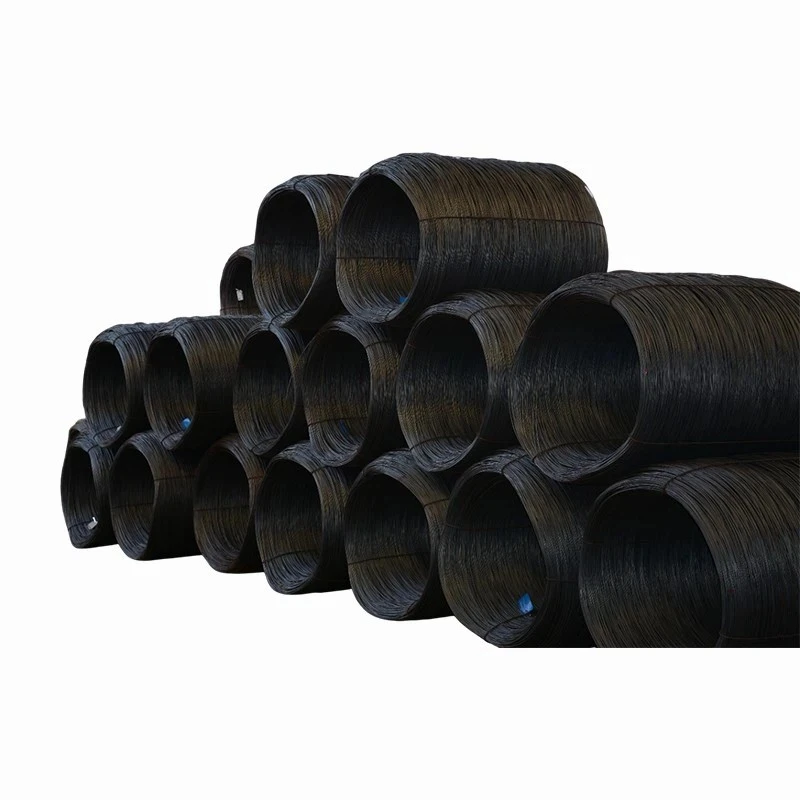
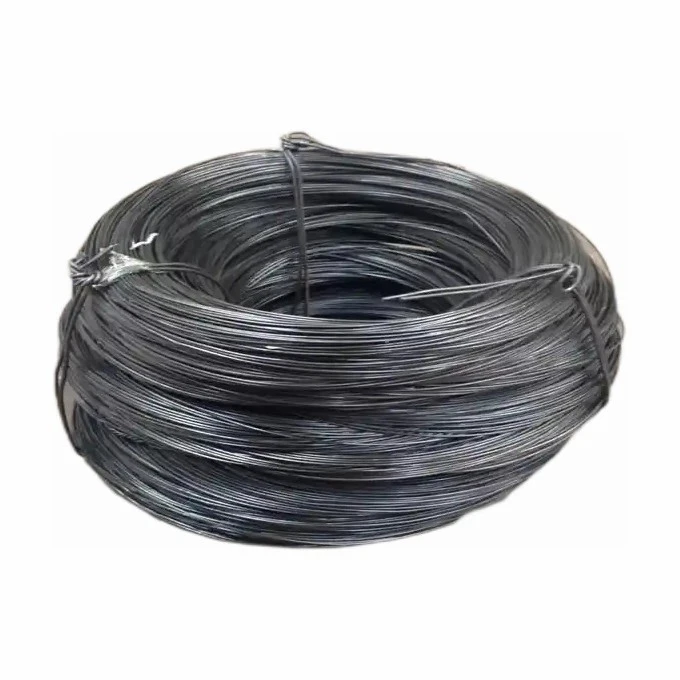
Black annealed finish is another popular option. This finish is obtained by annealing the wire after cold drawing, which gives it a black, matte appearance. Black annealed wire is softer and more ductile than bright finish wire, making it ideal for applications where flexibility is required. It is commonly used in the manufacture of Black Annealed Tie Steel Wire for binding and tying purposes in the construction and agricultural industries.
Phosphate Coating Finish
Phosphate coating is a chemical treatment applied to the surface of the cold drawn steel wire. This coating provides excellent corrosion resistance and lubricity. The phosphate coating forms a porous layer on the wire's surface, which can absorb lubricants, reducing friction during subsequent processing. Phosphate coated steel wire is often used in applications where corrosion protection and easy formability are required, such as in the production of fasteners. You can learn more about our Phosphate Coating Steel Wire on our website.
Factors Affecting the Surface Finish
Several factors can affect the surface finish of cold drawn steel wire:
Quality of the Raw Material
The quality of the raw steel used in the production of the wire has a significant impact on the surface finish. High - quality steel with low levels of impurities will result in a better surface finish. Impurities such as sulfur and phosphorus can cause surface defects during the cold drawing process, leading to a rough or uneven finish.
Die Design and Quality
The design and quality of the drawing die are crucial for achieving a good surface finish. A well - designed die with a smooth inner surface will produce a wire with a better finish. The die material also plays a role; hard and wear - resistant die materials can maintain their shape and surface quality for longer, resulting in more consistent surface finishes.
Lubrication
Lubrication is essential during the cold drawing process. A proper lubricant reduces friction between the wire and the die, preventing surface damage and improving the surface finish. The type and quality of the lubricant, as well as the lubrication method, can all affect the final surface quality of the wire.
Applications Based on Surface Finish
The surface finish of cold drawn steel wire determines its suitability for different applications:
Automotive Industry
In the automotive industry, cold drawn steel wire with a smooth and hard surface finish is used in the production of engine valves, fuel injection systems, and transmission components. The smooth surface reduces friction, improving the efficiency of these components, while the hardness ensures long - term durability.
Construction Industry
In construction, cold drawn steel wire is used for reinforcement, fencing, and binding. The surface finish affects the wire's corrosion resistance and bond strength with concrete. For example, a wire with a phosphate coating finish provides better corrosion protection in concrete structures, while a bright finish wire can be used for decorative fencing.
Electrical Industry
In the electrical industry, cold drawn steel wire with a smooth surface finish is used for electrical conductors and connectors. The smooth surface reduces electrical resistance, improving the efficiency of electrical transmission.
Conclusion
In conclusion, the surface finish of cold drawn steel wire is a critical aspect that determines its performance, durability, and suitability for various applications. Whether it's the smoothness, uniformity, hardness, or specific types of finishes like bright, black annealed, or phosphate coating, each characteristic plays a vital role in different industries. As a supplier of cold drawn steel wire, we understand the importance of providing high - quality wire with the right surface finish to meet our customers' needs.
If you are interested in purchasing cold drawn steel wire or have any questions about our products, please feel free to contact us. We are ready to discuss your specific requirements and provide you with the best solutions.
References
- ASM Handbook: Volume 1: Properties and Selection: Irons, Steels, and High - Performance Alloys.
- Manufacturing Processes for Engineering Materials by Serope Kalpakjian and Steven Schmid.