

What is the specific gravity of stainless steel wire?
What is the specific gravity of stainless steel wire? This is a question that often arises among those involved in industries where stainless steel wire is used, such as construction, manufacturing, and engineering. As a stainless steel wire supplier, I am well - versed in the properties of this versatile material, and I'm here to share in - depth knowledge about its specific gravity.
Understanding Specific Gravity
Specific gravity is a dimensionless quantity that represents the ratio of the density of a substance to the density of a reference substance. For solids and liquids, the reference substance is usually water at a specific temperature (commonly 4°C, where the density of water is 1 g/cm³). So, when we talk about the specific gravity of stainless steel wire, we are essentially comparing its density to that of water.
Factors Affecting the Specific Gravity of Stainless Steel Wire
The specific gravity of stainless steel wire can vary depending on several factors. One of the most significant factors is the alloy composition. Stainless steel is an alloy of iron, chromium, and other elements such as nickel, molybdenum, and manganese. Different grades of stainless steel have different alloying element proportions, which directly influence their density and thus specific gravity.
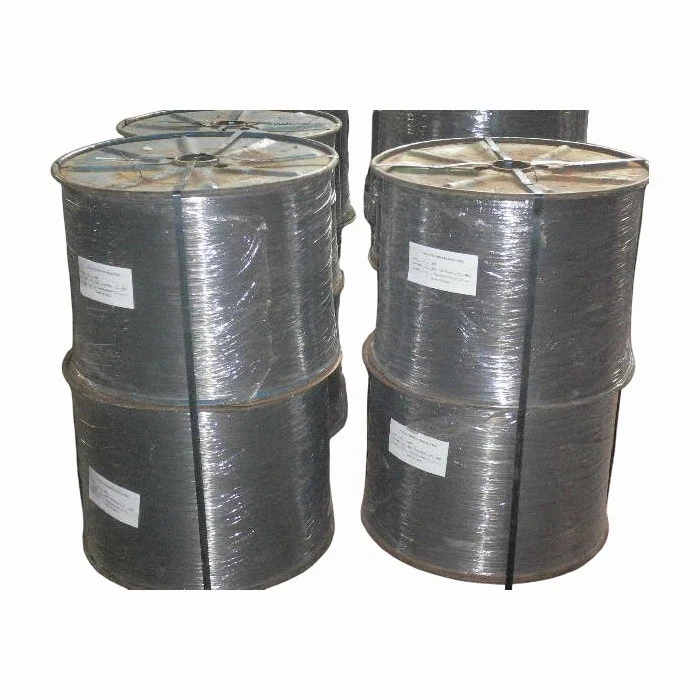
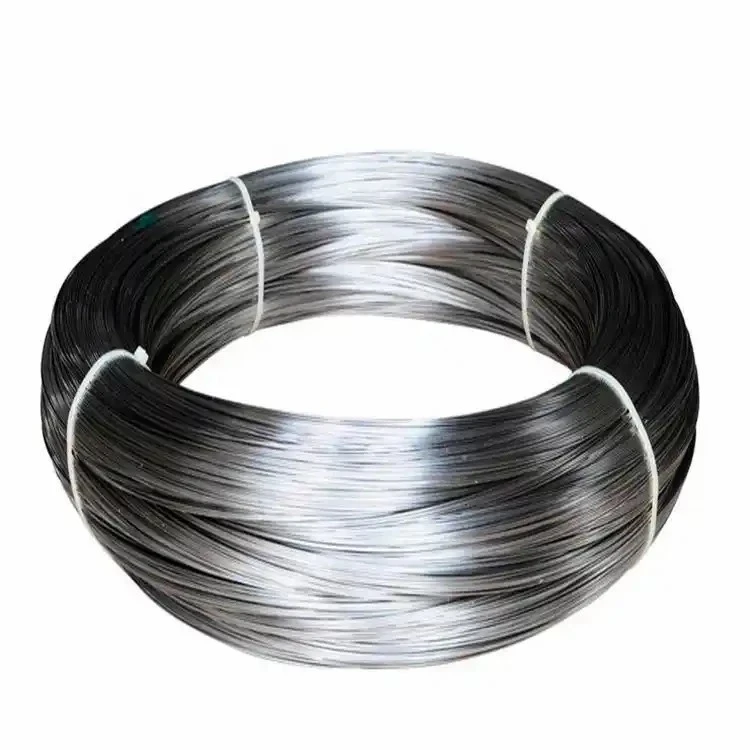
For example, austenitic stainless steels, which are non - magnetic and have high corrosion resistance, typically contain a significant amount of nickel. Common grades like 304 and 316 austenitic stainless steels have different specific gravities due to their different alloy compositions. Grade 304 stainless steel has a specific gravity of approximately 7.93 g/cm³, while grade 316, which contains more molybdenum for enhanced corrosion resistance, has a specific gravity around 7.98 g/cm³.
Another factor is the manufacturing process. Cold - working processes, such as cold drawing, can affect the density of the stainless steel wire. Cold - drawn stainless steel wire is produced by pulling the wire through a die at room temperature, which can increase its strength and hardness. This process can also slightly alter the internal structure of the wire, potentially changing its density and specific gravity. You can learn more about Cold Drawn Stainless Steel Wire on our website.
Importance of Specific Gravity in Applications
The specific gravity of stainless steel wire is crucial in many applications. In the aerospace industry, for instance, weight is a critical factor. Engineers need to know the specific gravity of the stainless steel wire used in aircraft components to accurately calculate the overall weight of the aircraft. A lower - density stainless steel wire can contribute to weight savings, which in turn can improve fuel efficiency and performance.
In the construction industry, the specific gravity affects the load - bearing capacity and stability of structures. When using stainless steel wire in reinforcement applications, understanding its specific gravity helps in determining the appropriate amount of wire needed to achieve the desired strength. It also plays a role in shipping and logistics. Since shipping costs are often based on weight, knowing the specific gravity of the stainless steel wire allows for more accurate cost estimations.
Comparison with Other Types of Wires
When comparing stainless steel wire with other types of wires, such as Alloy Steel Wire, the specific gravity can be quite different. Alloy steel wires are made from different alloying elements and have different mechanical and physical properties. Generally, alloy steel wires may have a specific gravity that varies depending on their composition, but in some cases, it can be higher or lower than that of stainless steel wire.
For example, some high - carbon alloy steel wires may have a higher specific gravity due to the presence of more dense elements in their composition. On the other hand, certain lightweight alloy steel wires designed for specific applications may have a lower specific gravity. Understanding these differences is essential for customers to choose the right type of wire for their specific needs.
Measuring the Specific Gravity of Stainless Steel Wire
There are several methods to measure the specific gravity of stainless steel wire. One common method is the Archimedes' principle. This involves weighing the wire in air and then weighing it when it is submerged in a liquid of known density (usually water). The difference in weight can be used to calculate the volume of the wire, and from there, its density and specific gravity can be determined.
Another method is to use a pycnometer, which is a precisely calibrated container. The wire is placed in the pycnometer, and the volume of the wire is measured by the displacement of a liquid. By knowing the mass of the wire and its volume, the density and specific gravity can be calculated.
Our Product Range and Specific Gravity
As a stainless steel wire supplier, we offer a wide range of stainless steel wires with different grades and specifications. Our product range includes austenitic, ferritic, and martensitic stainless steel wires, each with its own unique specific gravity.
Our austenitic stainless steel wires, such as grade 304 and 316, are known for their excellent corrosion resistance and are widely used in various industries. The specific gravity of our grade 304 wire is consistent with the industry standard of approximately 7.93 g/cm³, while our grade 316 wire has a specific gravity around 7.98 g/cm³.
Our ferritic stainless steel wires, which are magnetic and have good resistance to stress - corrosion cracking, have a specific gravity that is generally lower than austenitic stainless steels. For example, grade 430 ferritic stainless steel wire has a specific gravity of about 7.7 g/cm³.
Martensitic stainless steel wires, known for their high strength and hardness, have a specific gravity that can vary depending on their heat - treatment and alloy composition. Our martensitic stainless steel wires typically have a specific gravity in the range of 7.75 - 7.85 g/cm³.
Quality Control and Specific Gravity
We understand the importance of consistent specific gravity in our stainless steel wires. That's why we have a rigorous quality control process in place. Our manufacturing facilities are equipped with state - of - the - art testing equipment to ensure that each batch of stainless steel wire meets the specified specific gravity requirements.
We regularly sample and test our products to verify their specific gravity. Any deviation from the standard is investigated, and corrective actions are taken to maintain the quality and consistency of our products. This commitment to quality has earned us a reputation as a reliable stainless steel wire supplier in the market.
Contact Us for Your Stainless Steel Wire Needs
Whether you are in the construction, manufacturing, or any other industry that requires high - quality stainless steel wire, we are here to help. Our team of experts can provide you with detailed information about the specific gravity of our products and assist you in choosing the right type of stainless steel wire for your application.
If you have any questions or would like to discuss your requirements, please feel free to contact us. We are committed to providing you with the best products and services at competitive prices. Let's start a conversation about how our stainless steel wire can meet your needs and contribute to the success of your projects.
References
- ASM Handbook, Volume 1: Properties and Selection: Irons, Steels, and High - Performance Alloys
- Metals Handbook Desk Edition, 3rd Edition
- "Stainless Steel: A Technical Guide" by The Nickel Institute