

Can I use regular steel wire for brush?
Can I use regular steel wire for brush?
When it comes to the manufacturing of brushes, one of the most frequently asked questions is whether regular steel wire can be used. As a supplier of Steel Wire for Brush, I am well - versed in the nuances of this topic and will provide a comprehensive analysis in this blog.
Understanding Regular Steel Wire
Regular steel wire is a common type of wire that is widely used in various industries. It is typically made from low - to medium - carbon steel and is produced through a series of processes such as hot rolling and cold drawing. This type of wire is known for its relatively low cost and basic mechanical properties. It can be found in applications like fencing, general construction, and some light - duty binding tasks.
The mechanical properties of regular steel wire are determined by its carbon content and the manufacturing process. Generally, it has a moderate level of strength and flexibility. However, these properties may not be ideal for brush applications. For example, the corrosion resistance of regular steel wire is often poor. When exposed to moisture or certain chemicals, it can quickly rust, which not only affects the appearance of the brush but also reduces its lifespan.
Requirements for Brush Steel Wire
Brushes are used in a wide range of applications, from household cleaning to industrial surface finishing. Each application has specific requirements for the steel wire used in the brush.
- Hardness and Abrasion Resistance: In industrial applications such as metal polishing or surface grinding, the brush needs to be able to withstand high levels of friction without losing its shape or effectiveness. A brush made from steel wire with insufficient hardness will wear out quickly, leading to frequent replacements and increased costs. For instance, when brushing a rough metal surface, a hard - tempered steel wire can maintain its cutting edge and remove debris more efficiently.
- Flexibility: On the other hand, in some applications like hairbrushes or paintbrushes, flexibility is a crucial factor. The wire needs to be able to bend easily without breaking to ensure a smooth and gentle brushing experience. If the wire is too rigid, it may cause discomfort or damage to the surface being brushed.
- Corrosion Resistance: Many brushes are used in environments where they are exposed to water, chemicals, or high humidity. For example, in marine applications or in the food industry, the steel wire used in brushes must be highly resistant to corrosion. Otherwise, the rust particles can contaminate the product being processed or cause damage to the equipment.
Why Regular Steel Wire May Not Be Suitable for Brushes
As mentioned earlier, regular steel wire often lacks the necessary properties for brush applications. Its relatively low hardness may not be sufficient for heavy - duty brushing tasks. In addition, its poor corrosion resistance can be a major drawback, especially in environments where the brush is likely to come into contact with moisture or corrosive substances.
Moreover, the surface finish of regular steel wire may not be smooth enough for some applications. A rough surface can cause scratching on delicate surfaces, such as in the case of polishing glass or painting. In contrast, specialized brush steel wire is often treated to have a smooth surface, which reduces friction and improves the brushing quality.
Specialized Steel Wire for Brushes
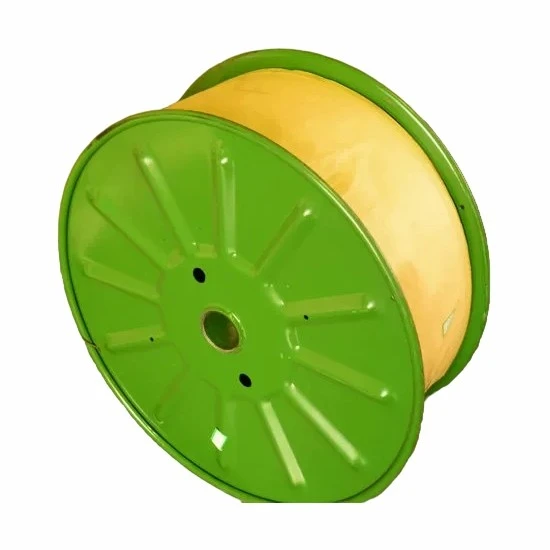
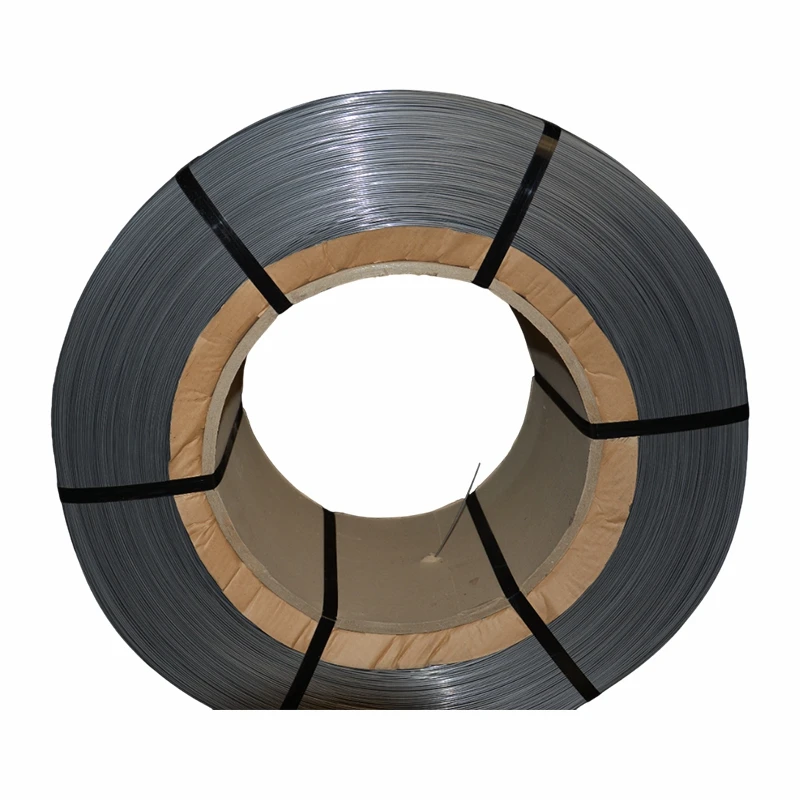
Our company offers Steel Wire for Brush that is specifically designed to meet the requirements of different brush applications.
- High - Carbon Steel Wire: High - carbon steel wire is often used for brushes that require high hardness and abrasion resistance. It can be heat - treated to achieve the desired level of hardness, making it suitable for industrial applications such as metal deburring and surface cleaning.
- Stainless Steel Wire: Stainless steel wire is an excellent choice for brushes used in corrosive environments. It contains chromium, which forms a passive oxide layer on the surface, protecting the wire from rust and corrosion. This makes it ideal for marine, food, and chemical industries.
- Galvanized Steel Wire: Galvanized steel wire is coated with a layer of zinc, which provides an additional layer of protection against corrosion. It is a cost - effective alternative to stainless steel wire and is commonly used in outdoor brushes and some general - purpose cleaning brushes.
Other Related Steel Wires in Our Product Range
In addition to Steel Wire for Brush, we also supply other types of steel wires, such as Cold Drawn Spring Wire Rods and Steel Wire for Optical Fibre Cable.
Cold Drawn Spring Wire Rods are used in the manufacturing of springs. They are known for their high strength and excellent elasticity. The cold - drawing process improves the mechanical properties of the wire, making it suitable for applications where precise spring performance is required.
Steel Wire for Optical Fibre Cable is designed to provide mechanical protection and support for optical fiber cables. It has specific requirements for diameter accuracy, surface smoothness, and corrosion resistance to ensure the long - term stability of the optical fiber cable.
Conclusion
In conclusion, while regular steel wire may seem like a cost - effective option at first glance, it is generally not suitable for most brush applications. Specialized steel wire for brushes offers the necessary properties such as hardness, flexibility, and corrosion resistance to meet the diverse needs of different industries.
If you are in the market for high - quality Steel Wire for Brush, look no further. Our company has a wide range of products to choose from, and our experienced team can provide you with professional advice on the most suitable wire for your specific application. We invite you to contact us for procurement and negotiation to find the perfect solution for your brush manufacturing needs.
References
- "Handbook of Steel Wire Technology" by George E. Totten and David L. Howes.
- "Materials Science and Engineering: An Introduction" by William D. Callister, Jr. and David G. Rethwisch.