

What tools are needed to install profile wire?
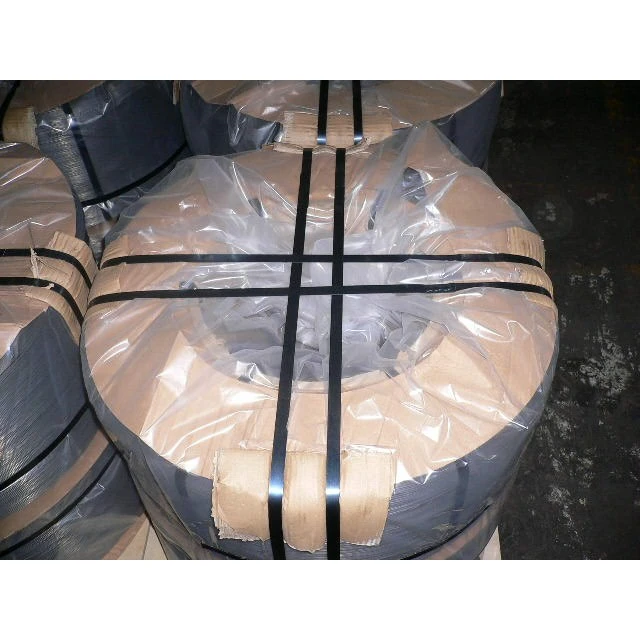
What tools are needed to install profile wire? As a seasoned profile wire supplier, I've witnessed firsthand the importance of having the right tools for a successful installation. Profile wires, including Cold Rolled Flat Steel Wire Strips, Round Steel Wire, and Rectangular Steel Wire, come in various shapes and sizes, each with its own installation requirements. In this blog post, I'll share the essential tools you need to ensure a smooth and efficient installation process.
Measuring Tools
Accurate measurements are the foundation of any successful profile wire installation. Before you start cutting or bending the wire, you need to measure the area where the wire will be installed. Here are some essential measuring tools:
- Tape Measure: A good-quality tape measure is a must-have for any installation project. It allows you to measure the length, width, and height of the area accurately. Make sure to choose a tape measure with a long enough reach and clear markings for easy reading.
- Caliper: A caliper is used to measure the thickness and diameter of the profile wire. This is especially important when working with wires that have specific size requirements. There are two types of calipers: digital and vernier. Digital calipers are more accurate and easier to read, but they can be more expensive. Vernier calipers are a more traditional option and are suitable for most applications.
- Angle Finder: An angle finder is used to measure the angles of the corners and edges where the profile wire will be installed. This is important for ensuring that the wire fits properly and looks professional. There are two types of angle finders: digital and manual. Digital angle finders are more accurate and easier to use, but they can be more expensive. Manual angle finders are a more traditional option and are suitable for most applications.
Cutting Tools
Once you have measured the area and the profile wire, you need to cut the wire to the appropriate length. Here are some essential cutting tools:
- Wire Cutters: Wire cutters are used to cut the profile wire to the desired length. There are two types of wire cutters: diagonal and end-cutting. Diagonal wire cutters are used for cutting wires at an angle, while end-cutting wire cutters are used for cutting wires straight across. Make sure to choose wire cutters that are sharp and durable.
- Hacksaw: A hacksaw is used to cut the profile wire when the wire cutters are not suitable. This is especially true for thicker wires or wires that are made of harder materials. Make sure to choose a hacksaw with a fine-tooth blade for a clean and precise cut.
- Grinder: A grinder is used to cut the profile wire when the wire is too thick or hard to cut with a hacksaw. This is a more powerful tool and should be used with caution. Make sure to wear protective gear, such as goggles and gloves, when using a grinder.
Bending Tools
In some cases, you may need to bend the profile wire to fit the shape of the area where it will be installed. Here are some essential bending tools:
- Pliers: Pliers are used to bend the profile wire at a specific angle. There are two types of pliers: needle-nose and lineman's. Needle-nose pliers are used for bending small wires at a sharp angle, while lineman's pliers are used for bending larger wires at a more gradual angle. Make sure to choose pliers that are strong and durable.
- Bending Brake: A bending brake is used to bend the profile wire at a specific angle. This is a more precise tool and is suitable for bending wires that require a specific shape. Make sure to choose a bending brake that is the appropriate size for the wire you are working with.
- Tube Bender: A tube bender is used to bend the profile wire into a circular or oval shape. This is a more specialized tool and is suitable for bending wires that are used in applications such as handrails or guardrails. Make sure to choose a tube bender that is the appropriate size for the wire you are working with.
Fastening Tools
Once you have cut and bent the profile wire, you need to fasten it to the surface where it will be installed. Here are some essential fastening tools:
- Screwdriver: A screwdriver is used to install screws or bolts to fasten the profile wire to the surface. There are two types of screwdrivers: flathead and Phillips. Make sure to choose a screwdriver that is the appropriate size for the screws or bolts you are using.
- Drill: A drill is used to make holes in the surface where the profile wire will be installed. This is necessary when using screws or bolts to fasten the wire. Make sure to choose a drill that is the appropriate size for the screws or bolts you are using.
- Welder: A welder is used to weld the profile wire to the surface where it will be installed. This is a more permanent and secure method of fastening the wire, but it requires more skill and equipment. Make sure to wear protective gear, such as goggles and gloves, when using a welder.
Safety Tools
Finally, it's important to have the right safety tools to protect yourself during the installation process. Here are some essential safety tools:
- Safety Glasses: Safety glasses are used to protect your eyes from flying debris and sparks. Make sure to choose safety glasses that are impact-resistant and provide adequate coverage.
- Gloves: Gloves are used to protect your hands from cuts, burns, and other injuries. Make sure to choose gloves that are made of a durable material and provide a good grip.
- Earplugs: Earplugs are used to protect your ears from loud noises. This is especially important when using power tools such as grinders and drills. Make sure to choose earplugs that are comfortable and provide adequate noise reduction.
In conclusion, having the right tools is essential for a successful profile wire installation. By using the tools mentioned in this blog post, you can ensure that the installation process is smooth and efficient, and that the final result looks professional and durable. If you have any questions or need further assistance, please don't hesitate to contact us. We are here to help you with all your profile wire needs.
References
- "Handbook of Measuring Tools." Manufacturer's Guide, 2023.
- "Cutting Tools for Metalworking." Industry Standard Manual, 2022.
- "Bending and Forming Techniques for Wires." Engineering Journal, 2021.
- "Fastening Systems for Structural Applications." Construction Handbook, 2020.