

Can brass coated steel wire be bent easily?
Can brass coated steel wire be bent easily?
As a supplier of Brass Coated Steel Wire, I often get asked about the bendability of our product. This is a crucial question for many of our customers, as the ease of bending can significantly impact the efficiency and quality of their manufacturing processes. In this blog post, I'll delve into the factors that affect the bendability of brass coated steel wire and provide a comprehensive answer to this frequently asked question.
Understanding Brass Coated Steel Wire
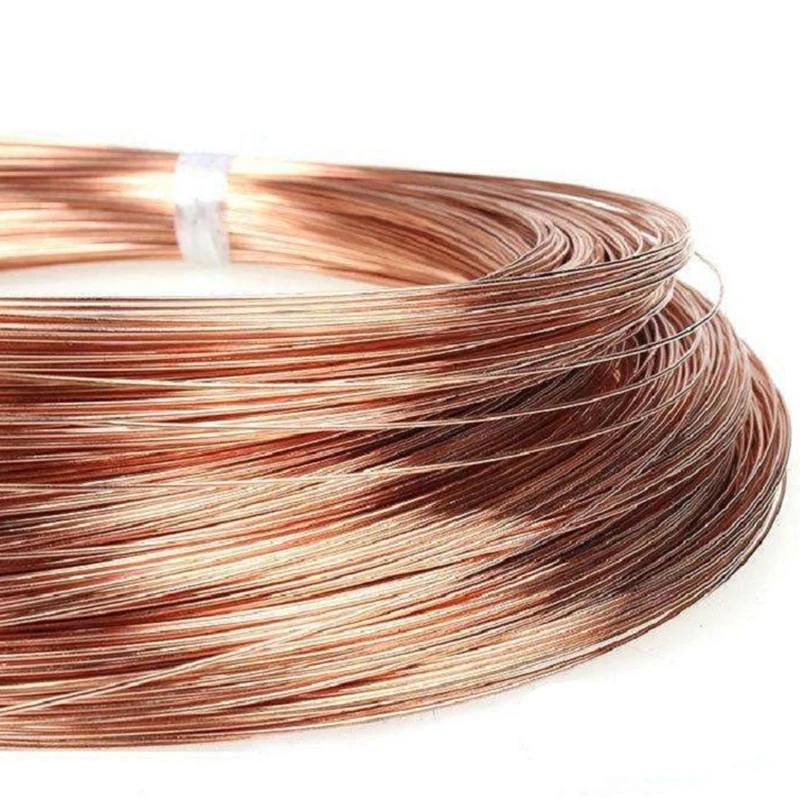
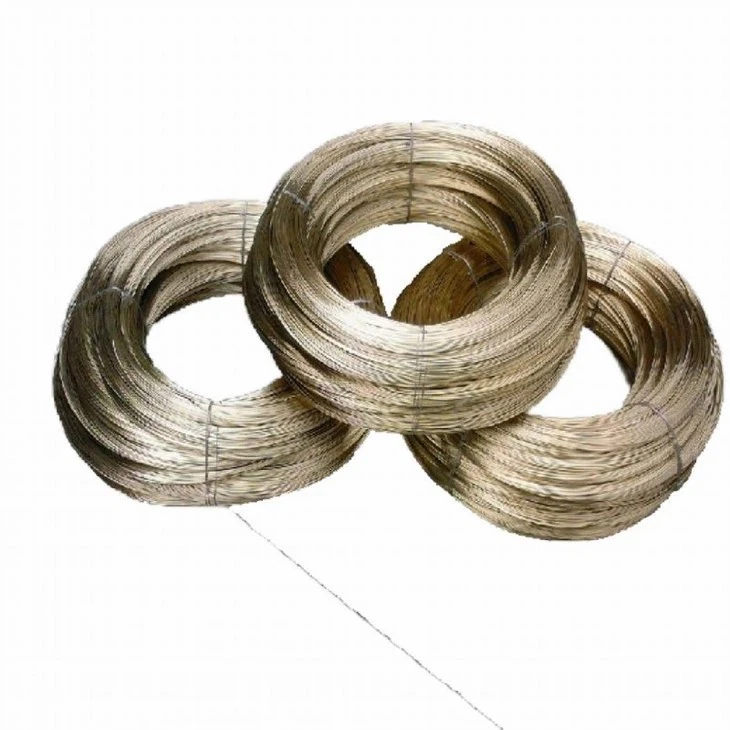
Before we discuss its bendability, let's first understand what brass coated steel wire is. It is a type of steel wire that has been coated with a layer of brass. The brass coating serves multiple purposes. Firstly, it provides corrosion resistance, protecting the underlying steel wire from rust and other forms of degradation. This is particularly important in applications where the wire will be exposed to harsh environments. Secondly, the brass coating can enhance the wire's solderability, making it suitable for electrical and electronic applications.
Factors Affecting Bendability
Several factors influence the ease with which brass coated steel wire can be bent. These include the wire's diameter, the composition of the steel core, the thickness of the brass coating, and the manufacturing process.
Wire Diameter
The diameter of the wire is one of the most significant factors affecting its bendability. Generally, thinner wires are easier to bend than thicker ones. This is because the stress required to deform a wire is proportional to its cross - sectional area. A thinner wire has a smaller cross - sectional area, so less force is needed to bend it. For example, a 0.5 mm diameter brass coated steel wire can be bent more easily than a 2 mm diameter wire.
Composition of the Steel Core
The composition of the steel core also plays a vital role. Different types of steel have different mechanical properties. For instance, low - carbon steel is more ductile than high - carbon steel. Ductility is the ability of a material to deform plastically without breaking. A more ductile steel core will allow the wire to be bent more easily. Our brass coated steel wire is carefully engineered with a steel core composition that balances strength and ductility to ensure good bendability.
Thickness of the Brass Coating
The thickness of the brass coating can also affect bendability. A very thick brass coating may make the wire stiffer and more difficult to bend. On the other hand, a thin and uniform brass coating can enhance the wire's flexibility. Our manufacturing process is optimized to apply a brass coating of the appropriate thickness to ensure both good corrosion resistance and bendability.
Manufacturing Process
The manufacturing process used to produce the brass coated steel wire can have a significant impact on its bendability. Processes such as cold drawing can improve the wire's mechanical properties and make it more uniform in structure. This uniformity helps to ensure that the wire bends evenly without kinking or breaking. At our company, we use state - of - the - art manufacturing techniques to produce high - quality brass coated steel wire with excellent bendability.
Testing Bendability
To ensure that our brass coated steel wire meets the required standards of bendability, we conduct a series of tests. One common test is the mandrel bend test. In this test, the wire is wrapped around a mandrel of a specified diameter. The number of turns and the diameter of the mandrel are determined based on the wire's diameter and the application requirements. If the wire can be bent around the mandrel without cracking or breaking, it passes the test.
Applications and Bendability
The bendability of brass coated steel wire is critical in many applications. For example, in the automotive industry, brass coated steel wire is used in tire reinforcement. The wire needs to be bent easily during the manufacturing process to conform to the shape of the tire. In the jewelry industry, the wire's bendability allows artisans to create intricate designs. Additionally, in electrical wiring applications, the ease of bending makes it easier to install the wire in tight spaces.
Comparison with Other Coated Wires
Let's compare the bendability of brass coated steel wire with other types of coated wires, such as Tin Plated Bronze Steel Wire and Anti Oxidation Copper Coated Steel Wire. Tin plated bronze steel wire is generally more rigid than brass coated steel wire due to the properties of the bronze and tin coating. Anti - oxidation copper coated steel wire has good bendability, but the copper coating may be more prone to scratching during the bending process compared to the brass coating.
Conclusion
In conclusion, brass coated steel wire can be bent easily, especially when considering the right combination of wire diameter, steel core composition, brass coating thickness, and manufacturing process. Our company takes great care in producing brass coated steel wire that offers excellent bendability while maintaining other important properties such as corrosion resistance and strength.
If you are in the market for high - quality brass coated steel wire with good bendability, we would love to hear from you. Whether you are in the automotive, jewelry, or electrical industry, our product can meet your needs. Contact us to discuss your requirements and start a procurement negotiation. We are committed to providing you with the best products and services.
References
- "Handbook of Steel Wire Technology" by J. A. Schey
- "Materials Science and Engineering: An Introduction" by William D. Callister Jr. and David G. Rethwisch