

Can carbon steel wire be used in electromagnetic applications?
Hey there! As a carbon steel wire supplier, I often get asked a bunch of questions about where our products can be used. One question that pops up quite a bit is, "Can carbon steel wire be used in electromagnetic applications?" Well, let's dive right into this topic and find out.
First off, let's understand what carbon steel wire is. Carbon steel wire is basically steel wire that has carbon as the main alloying element. The amount of carbon can vary, and this variation affects the wire's properties like strength, hardness, and ductility. We offer different types of carbon steel wire, such as High Carbon Steel Wire Rope, Cold Drawn High Carbon Spring Steel Wire, and Cold Drawn High Carbon Steel Wire. Each type has its own unique set of features and is suitable for different applications.
Now, let's talk about electromagnetic applications. Electromagnetic applications involve the use of magnetic fields and electric currents. Some common examples include transformers, motors, generators, and electromagnetic shielding. In these applications, the materials used need to have certain electromagnetic properties.
So, can carbon steel wire be used in these applications? The answer is yes, but with some considerations.
One of the key factors to consider is the magnetic properties of carbon steel wire. Carbon steel is ferromagnetic, which means it can be magnetized and is attracted to magnets. This property makes it suitable for some electromagnetic applications. For example, in transformers, ferromagnetic materials are used to enhance the magnetic field and improve the efficiency of energy transfer. Carbon steel wire can be used in the core of a transformer to help channel the magnetic flux.
However, there are also some drawbacks. Carbon steel has relatively high electrical resistivity compared to some other materials used in electromagnetic applications, like copper. High resistivity means that when an electric current passes through the wire, more energy is lost in the form of heat. This can be a problem in applications where efficiency is crucial, such as high - power motors and generators.
Another issue is the magnetic hysteresis of carbon steel. Hysteresis is the lag between the magnetization and demagnetization of a ferromagnetic material. When a magnetic field is applied and then removed, the material does not completely lose its magnetization immediately. This results in energy losses in the form of heat, which can reduce the efficiency of the electromagnetic device.
Despite these drawbacks, there are still many situations where carbon steel wire can be a good choice for electromagnetic applications. For instance, in low - power electromagnetic devices or in applications where cost is a major concern, carbon steel wire can be a cost - effective alternative to more expensive materials like copper.
Let's take a look at some specific examples of how carbon steel wire can be used in electromagnetic applications:
Electromagnetic Actuators
Electromagnetic actuators are devices that convert electrical energy into mechanical motion. Carbon steel wire can be used in the construction of the actuator's core. The ferromagnetic property of carbon steel allows it to be magnetized when an electric current is applied, creating a magnetic field that can move a mechanical component.
Electromagnetic Shielding
In some cases, carbon steel wire can be used for electromagnetic shielding. When an electromagnetic field encounters a ferromagnetic material like carbon steel, the field lines are attracted to the material, effectively redirecting the field and reducing the amount of electromagnetic radiation that passes through. This can be useful in protecting sensitive electronic equipment from external electromagnetic interference.
Small - Scale Transformers
For small - scale transformers used in low - power electronic devices, carbon steel wire can be used in the core. These transformers don't require the same level of efficiency as large - scale power transformers, so the energy losses due to resistivity and hysteresis may be acceptable.
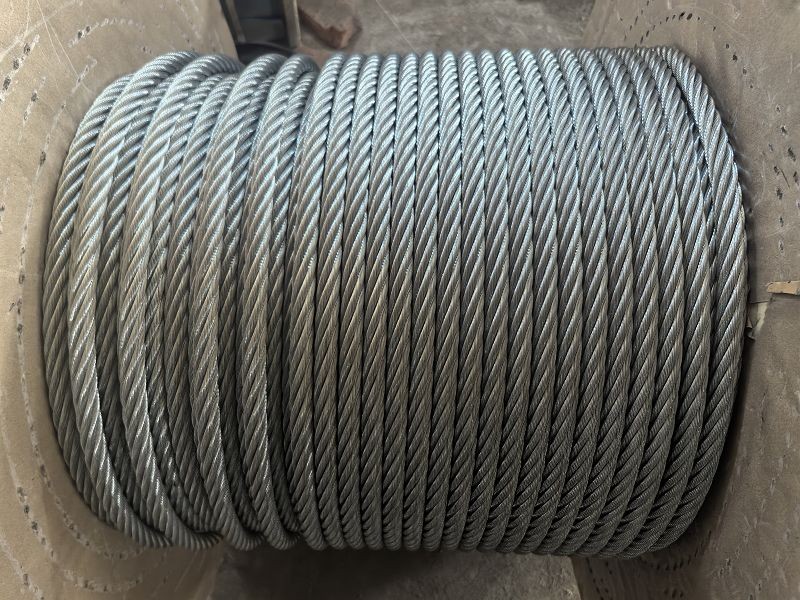
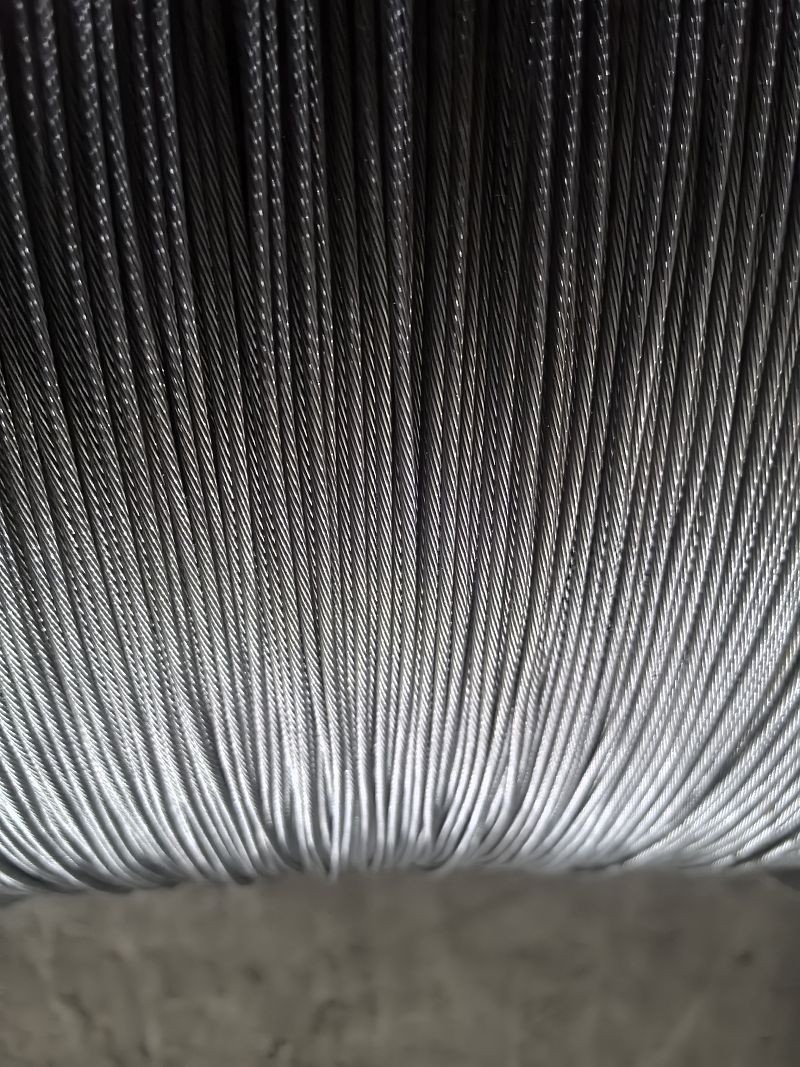
When using carbon steel wire in electromagnetic applications, it's important to choose the right type of wire. For example, high - carbon steel wire may have higher strength but also higher resistivity compared to low - carbon steel wire. So, depending on the specific requirements of the application, we need to select the appropriate wire.
If you're considering using carbon steel wire in an electromagnetic application, I'd be more than happy to help you make the right choice. We have a wide range of carbon steel wire products, and our team of experts can provide you with detailed information about the properties and suitability of each type of wire for your specific needs. Whether you're working on a small DIY project or a large - scale industrial application, we can offer the right solution.
If you're interested in learning more about our carbon steel wire products or have any questions about using them in electromagnetic applications, don't hesitate to reach out. We're here to assist you with your procurement needs and ensure that you get the best product for your project.
In conclusion, carbon steel wire can be used in electromagnetic applications, but it's important to weigh the pros and cons. Its ferromagnetic property makes it suitable for some applications, but the issues of resistivity and hysteresis need to be considered. With the right selection and proper design, carbon steel wire can be a valuable material in the field of electromagnetics.
References
- "Introduction to Electromagnetic Fields" by William H. Hayt
- "Materials Science and Engineering: An Introduction" by William D. Callister