

How to clean stainless steel wire?
Stainless steel wire is a versatile and durable material widely used in various industries, including construction, automotive, and manufacturing. As a stainless steel wire supplier, I understand the importance of maintaining the quality and appearance of this product. Proper cleaning not only enhances its aesthetic appeal but also extends its lifespan and ensures optimal performance. In this blog post, I will share some effective methods and tips on how to clean stainless steel wire.
Understanding Stainless Steel Wire
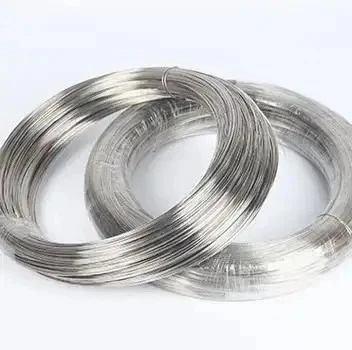
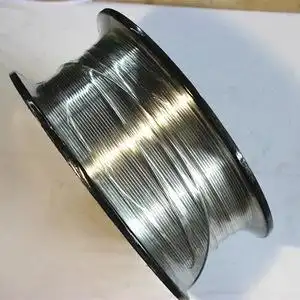
Before diving into the cleaning process, it's essential to have a basic understanding of stainless steel wire. Stainless steel is an alloy primarily composed of iron, chromium, and nickel, which gives it excellent corrosion resistance. The wire is available in different grades and finishes, each with its own unique properties and applications. For example, Cold Drawn Stainless Steel Wire is known for its high strength and smooth surface, making it suitable for applications that require precision and durability. On the other hand, Alloy Steel Wire contains additional elements such as manganese, silicon, and molybdenum, which enhance its mechanical properties and resistance to wear and tear.
Common Contaminants on Stainless Steel Wire
Over time, stainless steel wire can accumulate various contaminants, including dirt, grease, oil, rust, and oxidation. These contaminants not only affect the appearance of the wire but also compromise its performance and durability. Here are some common contaminants and their sources:
- Dirt and Dust: These particles can settle on the surface of the wire during handling, storage, or transportation.
- Grease and Oil: These substances can be introduced during the manufacturing process or from contact with machinery and equipment.
- Rust and Oxidation: Exposure to moisture, humidity, and certain chemicals can cause the wire to rust and oxidize, especially in areas with poor ventilation or high levels of pollution.
- Fingerprints and Smudges: Handling the wire with bare hands can leave behind fingerprints and smudges, which can be unsightly and difficult to remove.
Cleaning Methods for Stainless Steel Wire
The cleaning method you choose will depend on the type and severity of the contaminants on the wire. Here are some effective cleaning methods that you can use:
- Mild Detergent and Water: For light dirt and dust, you can use a mild detergent and water solution to clean the wire. Simply mix a small amount of detergent with warm water and use a soft cloth or sponge to gently wipe the wire. Rinse the wire thoroughly with clean water and dry it with a soft towel to prevent water spots.
- Vinegar and Water: Vinegar is a natural cleaning agent that can effectively remove grease, oil, and rust from stainless steel wire. Mix equal parts of vinegar and water in a spray bottle and spray the solution onto the wire. Let it sit for a few minutes, then use a soft cloth or sponge to wipe the wire. Rinse the wire thoroughly with clean water and dry it with a soft towel.
- Baking Soda and Water: Baking soda is another natural cleaning agent that can be used to clean stainless steel wire. Mix a small amount of baking soda with water to form a paste. Apply the paste to the wire using a soft cloth or sponge and gently scrub the wire. Rinse the wire thoroughly with clean water and dry it with a soft towel.
- Commercial Stainless Steel Cleaner: If the contaminants on the wire are more stubborn, you can use a commercial stainless steel cleaner. These cleaners are specifically formulated to remove dirt, grease, oil, rust, and oxidation from stainless steel surfaces. Follow the instructions on the cleaner carefully and use a soft cloth or sponge to apply the cleaner to the wire. Rinse the wire thoroughly with clean water and dry it with a soft towel.
Tips for Cleaning Stainless Steel Wire
In addition to using the right cleaning method, there are some tips that you can follow to ensure that you clean the wire effectively and safely:
- Test the Cleaning Solution: Before applying the cleaning solution to the entire wire, test it on a small, inconspicuous area first to make sure that it does not damage the wire.
- Use a Soft Cloth or Sponge: Avoid using abrasive materials such as steel wool or scouring pads, as these can scratch the surface of the wire and damage its protective coating.
- Rinse Thoroughly: After cleaning the wire, make sure to rinse it thoroughly with clean water to remove all traces of the cleaning solution.
- Dry the Wire Completely: Moisture can cause the wire to rust and oxidize, so it's important to dry the wire completely after cleaning. Use a soft towel or a hair dryer on a low setting to dry the wire.
- Avoid Harsh Chemicals: Certain chemicals such as bleach, ammonia, and hydrochloric acid can damage the surface of the wire and compromise its performance and durability. Avoid using these chemicals to clean the wire.
Preventive Measures for Maintaining Stainless Steel Wire
In addition to regular cleaning, there are some preventive measures that you can take to maintain the quality and appearance of the wire. Here are some tips:
- Store the Wire Properly: Store the wire in a dry, cool, and well-ventilated area to prevent moisture and humidity from causing rust and oxidation.
- Handle the Wire with Care: Avoid handling the wire with bare hands, as this can leave behind fingerprints and smudges. Use gloves or a clean cloth to handle the wire.
- Protect the Wire from Abrasion: When handling or transporting the wire, make sure to protect it from abrasion and damage. Use protective packaging materials such as plastic wrap or cardboard boxes to prevent the wire from rubbing against other objects.
- Apply a Protective Coating: If the wire is exposed to harsh environments or chemicals, you can apply a protective coating to the wire to enhance its corrosion resistance. There are various types of protective coatings available, including paint, powder coating, and electroplating.
Conclusion
Cleaning and maintaining stainless steel wire is essential to ensure its quality, performance, and durability. By following the tips and methods outlined in this blog post, you can effectively remove contaminants from the wire and prevent rust and oxidation. As a stainless steel wire supplier, I am committed to providing high-quality products and excellent customer service. If you have any questions or need further information about cleaning and maintaining stainless steel wire, please feel free to contact me. I look forward to working with you and helping you find the right stainless steel wire for your needs.
References
- "Stainless Steel Wire: Properties, Applications, and Maintenance." Metal Supermarkets.
- "How to Clean Stainless Steel." The Spruce.
- "Stainless Steel Cleaning and Maintenance Guide." SSINA.