

Can carbon steel wire be used in mechanical springs?
Can carbon steel wire be used in mechanical springs? This is a question that often comes up in the engineering and manufacturing industries. As a supplier of carbon steel wire, I am well - versed in the properties and applications of this material, and I'm excited to explore this topic in detail.
Properties of Carbon Steel Wire
Carbon steel wire is a versatile material with a wide range of properties that make it suitable for various applications. The key factor in determining its characteristics is the carbon content. Generally, carbon steel wire can be classified into low - carbon, medium - carbon, and high - carbon types.
Low - carbon steel wire, also known as mild steel wire, typically contains less than 0.3% carbon. It is known for its good ductility, which means it can be easily formed and shaped. Cold Drawn Low Carbon Steel Wire is commonly used in applications where flexibility and ease of processing are important. For example, it can be used in making wire mesh, fencing, and some simple wire forms. However, its relatively low strength limits its use in high - stress applications.
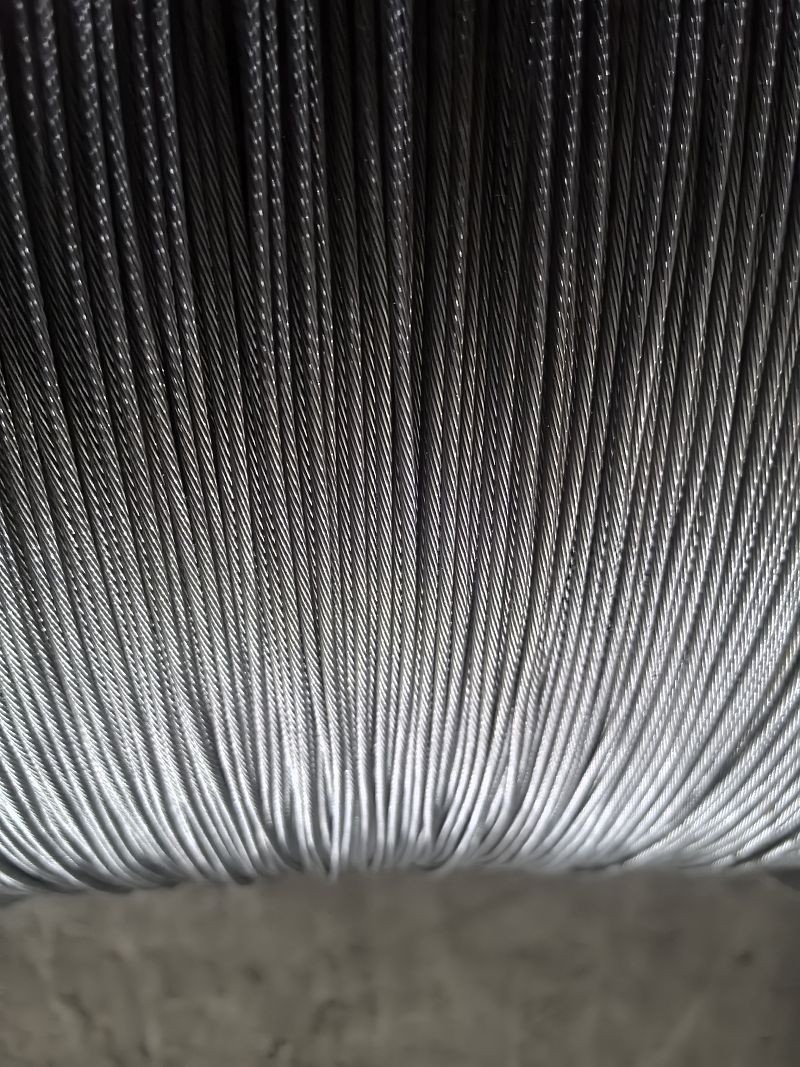
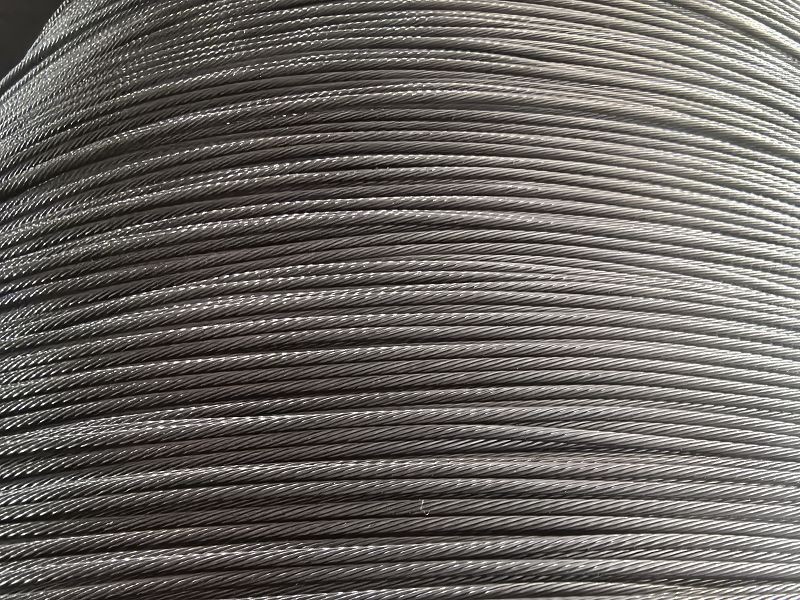
High - carbon steel wire, on the other hand, contains between 0.6% and 1.5% carbon. This high carbon content gives it greater strength and hardness. Cold Drawn High Carbon Steel Wire is often heat - treated to further enhance its mechanical properties. Heat treatment can significantly increase its tensile strength, making it capable of withstanding high levels of stress without permanent deformation. High - carbon steel wire is also more resistant to wear and abrasion compared to low - carbon steel wire.
Requirements for Mechanical Springs
Mechanical springs are components designed to store and release energy. They are used in a wide variety of applications, from automotive engines and industrial machinery to consumer products like pens and mattresses. The performance of a spring depends on several factors, including its material properties, design, and manufacturing process.
One of the most important requirements for a spring material is high elastic limit. The elastic limit is the maximum stress that a material can withstand without undergoing permanent deformation. A spring needs to be able to return to its original shape after being compressed or extended. High strength is also crucial, especially in applications where the spring will be subjected to heavy loads. Additionally, the material should have good fatigue resistance, as springs often undergo repeated cycles of loading and unloading.
Suitability of Carbon Steel Wire for Mechanical Springs
High - Carbon Steel Wire
High - carbon steel wire is an excellent choice for many mechanical spring applications. Its high strength and hardness allow it to withstand large forces without permanent deformation. For example, in automotive suspension springs, high - carbon steel wire can handle the heavy loads and continuous vibrations experienced during vehicle operation. The heat - treatable nature of high - carbon steel wire also provides flexibility in tailoring its properties to specific spring requirements. By adjusting the heat treatment process, we can achieve the desired balance between strength, hardness, and ductility.
Moreover, high - carbon steel wire offers good fatigue resistance. Springs made from this material can endure a large number of loading and unloading cycles without failure. This makes it suitable for applications where long - term reliability is essential, such as in industrial machinery where springs are constantly in use. High Carbon Steel Wire Rope can also be used in some spring - related applications where a combination of strength and flexibility is needed.
Low - Carbon Steel Wire
While low - carbon steel wire has limitations in terms of strength, it can still be used in certain mechanical spring applications. In applications where the load is relatively light and the spring does not need to store a large amount of energy, low - carbon steel wire can be a cost - effective option. For example, in some small consumer products like children's toys or simple household items, low - carbon steel wire springs can provide the necessary functionality at a lower cost.
Manufacturing Considerations
When using carbon steel wire to make mechanical springs, the manufacturing process is critical. Cold drawing is a common process used to produce carbon steel wire with the desired diameter and surface finish. Cold - drawn wire has improved mechanical properties due to work hardening. After the wire is drawn, it can be coiled into the desired spring shape.
Heat treatment is another important step in the spring manufacturing process, especially for high - carbon steel wire. Annealing can be used to relieve internal stresses in the wire and improve its ductility before coiling. Quenching and tempering are often carried out after coiling to enhance the strength and hardness of the spring. The specific heat treatment parameters need to be carefully controlled to ensure the spring meets the required performance standards.
Surface Treatment
Surface treatment can also play a role in the performance of carbon steel wire springs. For example, galvanizing or coating the spring with a protective layer can improve its corrosion resistance. This is particularly important in applications where the spring will be exposed to harsh environments, such as in outdoor equipment or marine applications.
Cost - Benefit Analysis
When considering using carbon steel wire for mechanical springs, cost - benefit analysis is necessary. High - carbon steel wire generally has a higher cost due to its better mechanical properties and the additional heat treatment processes involved. However, in applications where high performance is required, the long - term benefits of using high - carbon steel wire, such as increased durability and reliability, often outweigh the initial cost.
Low - carbon steel wire, on the other hand, is more affordable. If the application does not demand high strength and fatigue resistance, using low - carbon steel wire can result in significant cost savings without sacrificing too much functionality.
Conclusion
In conclusion, carbon steel wire can indeed be used in mechanical springs. High - carbon steel wire is well - suited for high - stress applications where strength, hardness, and fatigue resistance are crucial. Low - carbon steel wire, although limited in strength, can be a viable option for low - load applications where cost is a major consideration.
As a carbon steel wire supplier, we have a wide range of carbon steel wire products to meet different spring manufacturing needs. Whether you are looking for high - performance high - carbon steel wire or cost - effective low - carbon steel wire, we can provide you with the right material. If you are interested in purchasing carbon steel wire for your mechanical spring applications, please feel free to contact us for further discussions and negotiations. We are committed to providing high - quality products and excellent customer service.
References
- ASM Handbook, Volume 1: Properties and Selection: Irons, Steels, and High - Performance Alloys
- Machinery's Handbook, 31st Edition
- Spring Design Manual, various editions