

How to ensure the safety of steel wire technology production?
Hey there! As a supplier in the steel wire technology business, I know firsthand how crucial safety is in production. In this blog, I'm gonna share some key points on how to ensure the safety of steel wire technology production.
Understanding the Risks
First off, we gotta understand what risks are involved in steel wire production. Steel wire manufacturing processes, like drawing, annealing, and tempering, come with their own set of hazards. For instance, the high - temperature operations in annealing can lead to burns if proper precautions aren't taken. And the mechanical equipment used in the drawing process can cause entanglement or crush injuries.
We also need to be aware of the chemical risks. Some steel wire treatments involve the use of chemicals, which can be harmful if they come into contact with the skin or are inhaled. So, it's essential to identify these risks early on to implement effective safety measures.
Employee Training
One of the most important aspects of ensuring safety is proper employee training. All workers involved in steel wire production should receive comprehensive training on the equipment they'll be using. This includes how to operate machines safely, how to perform maintenance checks, and what to do in case of an emergency.
For example, when it comes to handling Oil Tempered Steel Wire, employees need to know the specific handling requirements. Oil - tempered steel wire has unique properties, and improper handling can lead to damage to the wire or even injury to the worker. Training should also cover safety procedures for different stages of production. Workers need to understand the correct way to load and unload materials, how to set up workstations safely, and how to use personal protective equipment (PPE).
PPE is a must - have in any steel wire production facility. This includes safety glasses to protect the eyes from flying debris, gloves to prevent cuts and burns, and safety shoes to protect the feet from heavy objects. Training should emphasize the importance of wearing PPE at all times.
Equipment Maintenance
Regular equipment maintenance is another key factor in ensuring safety. Faulty equipment can be extremely dangerous. For example, a malfunctioning drawing machine can cause the wire to break unexpectedly, which can lead to flying debris and potential injury.
We should have a strict maintenance schedule in place. This includes daily, weekly, and monthly checks of all equipment. During these checks, we need to look for signs of wear and tear, loose parts, or any other issues that could compromise safety. For example, the dies used in the drawing process need to be inspected regularly for signs of damage. If a die is worn out, it can cause the wire to have an inconsistent diameter, which not only affects the quality of the product but also poses a safety risk.
In addition to regular checks, we should also have a system for reporting any equipment problems immediately. Workers should be encouraged to report any unusual noises, vibrations, or other signs of trouble as soon as they notice them. This way, we can address the issues before they turn into major safety hazards.
Workplace Safety Design
The design of the workplace also plays a significant role in safety. The layout of the production area should be well - thought - out to minimize the risk of accidents. For example, there should be clear pathways for workers to move around, and they should be wide enough to accommodate the movement of equipment and materials.
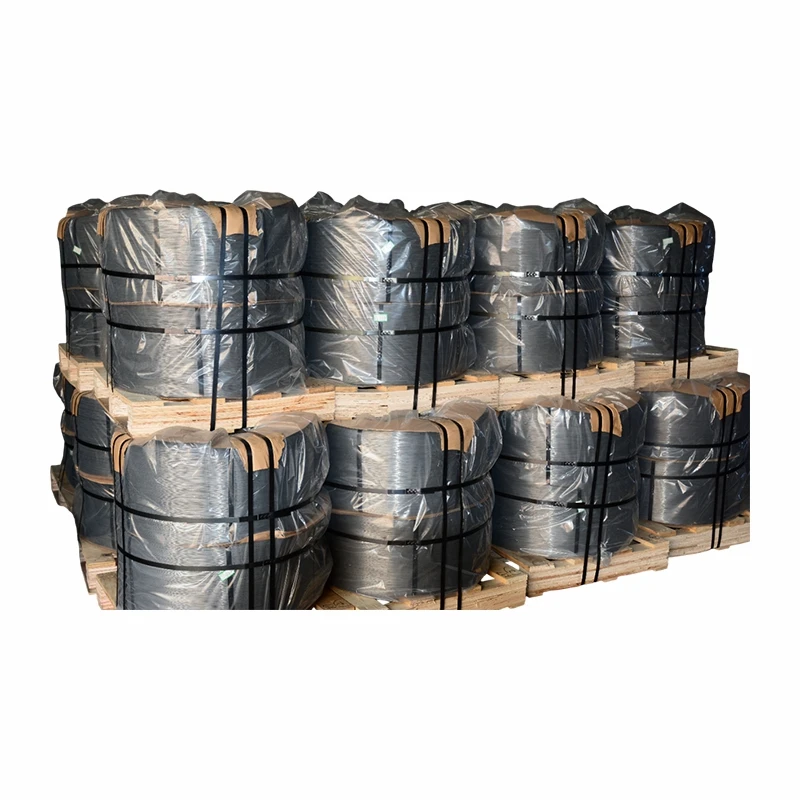
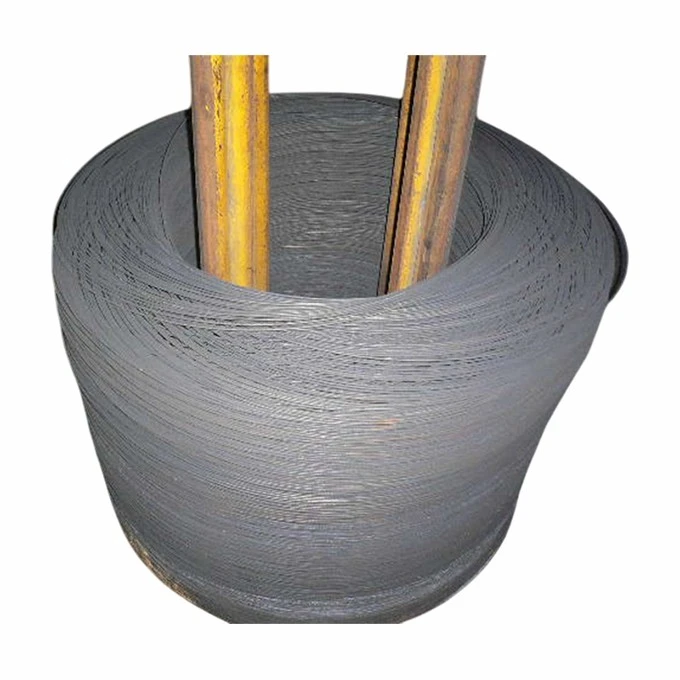
The storage areas for steel wire and other materials should be organized and secure. Cold Drawn Steel Wire and Black Annealed Tie Steel Wire should be stored in a way that prevents them from falling or toppling over. There should also be proper ventilation in the workplace, especially in areas where chemicals are used. This helps to remove any harmful fumes and keeps the air quality safe for workers.
Emergency exits should be clearly marked and easily accessible. In case of a fire or other emergency, workers need to be able to evacuate quickly and safely. There should also be fire - fighting equipment, such as fire extinguishers and sprinkler systems, in place and regularly maintained.
Quality Control
Quality control is not only important for the final product but also for safety. By ensuring that the steel wire meets the required quality standards, we can reduce the risk of accidents. For example, if the wire has weak spots or inconsistent properties, it may break during use, which can be dangerous.
We should have a rigorous quality control process in place at every stage of production. This includes testing the raw materials before they are used, inspecting the wire during the production process, and conducting final tests on the finished product. For instance, we can use non - destructive testing methods to check for internal defects in the wire.
Safety Culture
Creating a safety culture is essential in any steel wire production facility. This means that safety should be a top priority for everyone, from the management to the front - line workers. Management should lead by example and show that they are committed to safety. This can include providing the necessary resources for safety training and equipment maintenance.
Workers should be encouraged to take an active role in safety. They should feel comfortable reporting safety concerns and suggesting improvements. For example, we can set up a safety suggestion box where workers can share their ideas. By involving everyone in safety, we can create a safer working environment.
Supplier and Partner Safety
As a steel wire technology supplier, we also need to consider the safety of our suppliers and partners. The raw materials we receive from our suppliers should meet the required safety standards. We should have a process for vetting our suppliers to ensure that they follow proper safety procedures in their own production facilities.
When working with partners, such as shipping companies, we need to make sure that they handle our products safely. For example, during transportation, the steel wire should be properly secured to prevent damage and ensure that it arrives at the destination safely.
Continuous Improvement
Safety is not a one - time thing. We need to continuously improve our safety measures. This can involve staying up - to - date with the latest safety regulations and industry best practices. We should also analyze any safety incidents that occur and learn from them.
For example, if there is a minor accident in the production area, we should conduct a thorough investigation to find out what went wrong. Then, we can take steps to prevent similar accidents from happening in the future. This could involve changing a procedure, providing additional training, or upgrading equipment.
Conclusion
Ensuring the safety of steel wire technology production is a complex but necessary task. By focusing on employee training, equipment maintenance, workplace safety design, quality control, safety culture, supplier and partner safety, and continuous improvement, we can create a safer working environment.
If you're interested in our steel wire products or have any questions about our safety practices, feel free to reach out to us for a procurement discussion. We're always happy to talk about how we can meet your needs while maintaining the highest safety standards.
References
- Occupational Safety and Health Administration (OSHA) guidelines for metal manufacturing
- Industry research on best practices in steel wire production safety
- Internal safety records and incident reports from our own production facility