

What is the thermal expansion coefficient of brass coated steel wire?
The thermal expansion coefficient is a crucial physical property that describes how a material expands or contracts in response to temperature changes. When it comes to brass coated steel wire, understanding its thermal expansion coefficient is essential for various applications, from engineering to manufacturing. As a leading supplier of Brass Coated Steel Wire, we have in - depth knowledge of this topic and are eager to share it with you.
What is the Thermal Expansion Coefficient?
The thermal expansion coefficient, often denoted as α, is defined as the fractional change in length or volume of a material per unit change in temperature. There are two main types: the linear thermal expansion coefficient (αₗ) and the volumetric thermal expansion coefficient (αᵥ). For most practical applications involving wires, the linear thermal expansion coefficient is the key parameter. It is calculated using the formula:
αₗ = (ΔL / L₀) / ΔT
where ΔL is the change in length, L₀ is the original length, and ΔT is the change in temperature.
Thermal Expansion Coefficient of Steel and Brass
To understand the thermal expansion coefficient of brass coated steel wire, we first need to look at the properties of its components: steel and brass.
Steel typically has a linear thermal expansion coefficient in the range of approximately 10 - 13 × 10⁻⁶ /°C. The exact value can vary depending on the type of steel, such as carbon steel, stainless steel, etc. For example, a common carbon steel may have an αₗ around 12 × 10⁻⁶ /°C.
Brass, on the other hand, has a higher linear thermal expansion coefficient, usually in the range of 18 - 20 × 10⁻⁶ /°C. The composition of brass, which is an alloy of copper and zinc, can affect this value. A typical brass alloy might have an αₗ of about 19 × 10⁻⁶ /°C.
Thermal Expansion Coefficient of Brass Coated Steel Wire
Brass coated steel wire combines the properties of both steel and brass. The presence of the brass coating can influence the overall thermal expansion behavior of the wire.
In general, the thermal expansion coefficient of brass coated steel wire is a weighted average of the coefficients of steel and brass, taking into account the volume fractions of each component. However, due to the relatively thin brass coating compared to the steel core, the overall thermal expansion coefficient of the wire is closer to that of steel.
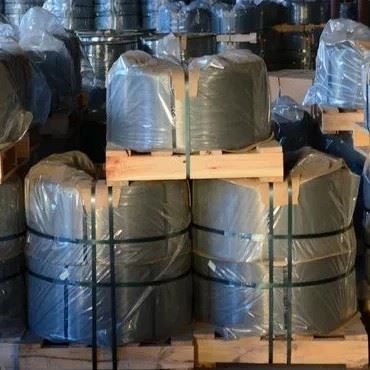
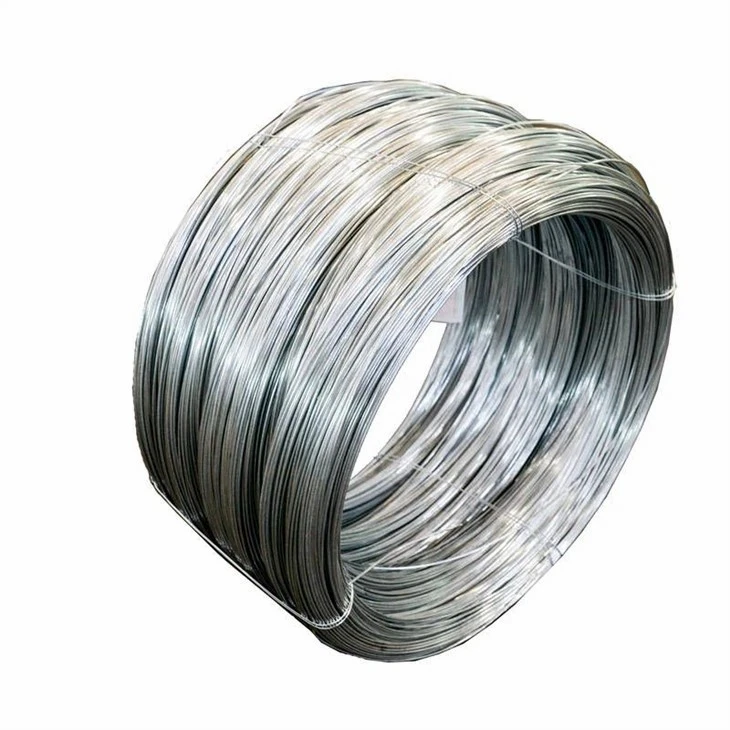
The exact value of the thermal expansion coefficient of brass coated steel wire can vary depending on factors such as the thickness of the brass coating, the composition of the steel and brass, and the manufacturing process. In most cases, the linear thermal expansion coefficient of brass coated steel wire is in the range of 11 - 14 × 10⁻⁶ /°C.
Importance of the Thermal Expansion Coefficient in Applications
The thermal expansion coefficient of brass coated steel wire is of great significance in many applications.
Electrical Applications
In electrical wiring, temperature changes can cause the wire to expand or contract. If the thermal expansion is not properly accounted for, it can lead to issues such as loose connections, which may result in increased resistance, heat generation, and even electrical failures. By knowing the thermal expansion coefficient, engineers can design electrical systems that can accommodate these changes and ensure reliable operation.
Mechanical Applications
In mechanical systems, such as springs or cables made of brass coated steel wire, thermal expansion can affect the performance of the components. For example, a spring's stiffness can change with temperature due to expansion or contraction. Understanding the thermal expansion coefficient allows for the proper design and selection of materials to maintain the desired mechanical properties over a wide range of temperatures.
Construction Applications
In construction, brass coated steel wire is used in various structures. Temperature fluctuations can cause the wire to expand or contract, which may put stress on the surrounding structures. By considering the thermal expansion coefficient, architects and engineers can design structures that can withstand these thermal stresses and ensure the long - term stability of the building.
Comparison with Other Types of Coated Wires
It is also interesting to compare the thermal expansion coefficient of brass coated steel wire with other types of coated wires.
Uncoated Steel Wire
Uncoated Steel Wire has a thermal expansion coefficient that is mainly determined by the properties of the steel itself. As mentioned earlier, it typically ranges from 10 - 13 × 10⁻⁶ /°C. The absence of a coating means that there is no additional influence on the thermal expansion behavior from other materials.
Hot Dipped Galvanized Steel Wire
Hot Dipped Galvanized Steel Wire has a zinc coating. Zinc has a linear thermal expansion coefficient of about 30 × 10⁻⁶ /°C, which is higher than that of steel. However, similar to the brass coating, the relatively thin zinc coating means that the overall thermal expansion coefficient of hot dipped galvanized steel wire is still close to that of steel, but may be slightly higher than uncoated steel wire.
Our Offer as a Supplier
As a supplier of brass coated steel wire, we understand the importance of providing high - quality products with well - characterized properties. Our brass coated steel wire is manufactured using advanced processes to ensure a uniform coating thickness and excellent adhesion between the brass and the steel core.
We can provide detailed information about the thermal expansion coefficient of our products, which is determined through rigorous testing in our state - of - the - art laboratories. This information can be valuable for our customers in their design and engineering processes.
Whether you are in the electrical, mechanical, or construction industry, our brass coated steel wire can meet your specific requirements. We offer a wide range of wire diameters, coating thicknesses, and mechanical properties to suit different applications.
Contact Us for Procurement
If you are interested in purchasing brass coated steel wire or have any questions about its thermal expansion coefficient or other properties, we encourage you to contact us. Our experienced sales team is ready to assist you with all your procurement needs. We can provide samples, technical specifications, and competitive pricing. Let's work together to find the best solution for your projects.
References
- Callister, W. D., & Rethwisch, D. G. (2017). Materials Science and Engineering: An Introduction. Wiley.
- ASM Handbook Committee. (2004). ASM Handbook, Volume 1: Properties and Selection: Irons, Steels, and High - Performance Alloys. ASM International.