

Can coated steel wire be used in food processing equipment?
As a supplier of coated steel wire, I often receive inquiries from clients in the food processing industry about the suitability of our products for their equipment. This blog post aims to explore the feasibility of using coated steel wire in food processing equipment, discussing its benefits, potential concerns, and regulatory considerations.
Benefits of Using Coated Steel Wire in Food Processing Equipment
Corrosion Resistance
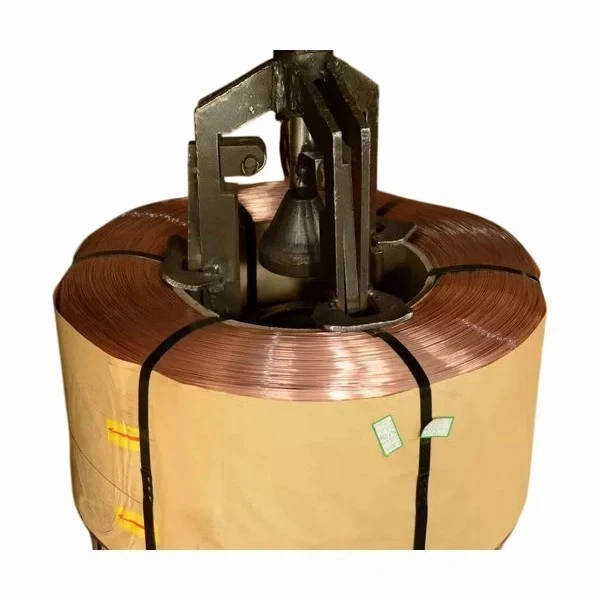
One of the primary advantages of coated steel wire is its enhanced corrosion resistance. In food processing environments, equipment is often exposed to moisture, acids, and other corrosive substances. A protective coating on the steel wire can prevent rust and corrosion, extending the lifespan of the equipment and reducing the risk of contamination. For example, Anti Oxidation Copper Coated Steel Wire has a copper coating that provides a barrier against oxidation and corrosion, making it suitable for use in damp or acidic conditions.
Hygiene
Food safety is of utmost importance in the food processing industry. Coated steel wire can be designed to have a smooth and non - porous surface, which is easier to clean and sanitize compared to uncoated steel. This helps to prevent the accumulation of food particles, bacteria, and other contaminants on the wire, reducing the risk of foodborne illnesses. The smooth surface also minimizes the risk of scratching or damaging food products during processing.
Strength and Durability
Steel wire is known for its high strength and durability, and a coating can further enhance these properties. Coated steel wire can withstand the high mechanical stresses associated with food processing operations, such as cutting, mixing, and conveying. This ensures that the equipment remains reliable and efficient over an extended period of time, reducing downtime and maintenance costs.
Customizability
Coated steel wire can be customized to meet the specific requirements of food processing equipment. Different coatings can be applied to achieve various properties, such as abrasion resistance, heat resistance, or electrical conductivity. For instance, Tin Plated Copper Steel Wire offers good solderability and corrosion resistance, which may be beneficial for some electrical components in food processing equipment.
Potential Concerns
Coating Adhesion
One potential concern when using coated steel wire in food processing equipment is the adhesion of the coating. If the coating does not adhere properly to the steel substrate, it may flake off or peel during use, leading to contamination of the food products. It is essential to ensure that the coating process is carefully controlled to achieve strong and uniform adhesion. Regular inspections and quality control measures should be implemented to detect any signs of coating failure.
Chemical Compatibility
The coating material must be chemically compatible with the food products and the processing environment. Some coatings may release harmful chemicals or react with food components under certain conditions. For example, coatings containing heavy metals or volatile organic compounds (VOCs) may pose a risk to human health if they leach into the food. It is crucial to select coatings that are approved for food contact applications and comply with relevant food safety regulations.
Temperature and Pressure Resistance
Food processing operations often involve high temperatures and pressures, which can affect the performance of the coated steel wire. The coating should be able to withstand these extreme conditions without degrading or losing its protective properties. In some cases, special high - temperature or high - pressure coatings may be required.
Regulatory Considerations
In many countries, there are strict regulations governing the use of materials in food processing equipment. The coated steel wire used in such equipment must comply with food safety standards, such as the Food and Drug Administration (FDA) regulations in the United States or the European Union's food contact material regulations. These regulations specify the allowable materials, coating thickness, and migration limits to ensure that the equipment does not pose a risk to human health.
It is the responsibility of the equipment manufacturer and the coated steel wire supplier to ensure that the products meet all relevant regulatory requirements. This may involve conducting testing and certification procedures to demonstrate compliance.
Comparison with Uncoated Steel Wire
Uncoated Steel Wire has its own advantages and disadvantages compared to coated steel wire. Uncoated steel wire is generally less expensive and may be suitable for some low - risk food processing applications where corrosion and contamination are not major concerns. However, it is more prone to rust and corrosion, which can lead to equipment failure and food contamination over time.
Coated steel wire, on the other hand, offers superior corrosion resistance, hygiene, and durability, making it a better choice for most food processing equipment. The additional cost of the coating is often offset by the longer lifespan and reduced maintenance requirements of the equipment.
Conclusion
In conclusion, coated steel wire can be used in food processing equipment, provided that the potential concerns are addressed and the relevant regulatory requirements are met. The benefits of using coated steel wire, such as corrosion resistance, hygiene, strength, and customizability, make it a viable option for many food processing applications.
As a supplier of coated steel wire, we are committed to providing high - quality products that meet the strictest food safety standards. Our team of experts can work with you to select the most suitable coating and wire specification for your specific food processing equipment needs.
If you are interested in learning more about our coated steel wire products or have any questions regarding their use in food processing equipment, please feel free to contact us for a detailed discussion and to start the procurement negotiation process. We look forward to serving you and helping you find the best solutions for your food processing operations.
References
- Food and Drug Administration (FDA). "Food Contact Substances Notification (FCN) Program."
- European Union. "Regulation (EC) No 1935/2004 on materials and articles intended to come into contact with food."
- ASTM International. "Standards related to steel wire and coatings."