

Can electrolytic phosphating be used for surface treatment of complex - shaped parts?
Can electrolytic phosphating be used for surface treatment of complex - shaped parts?
Hey there! I'm a supplier of electrolytic phosphating products, and I often get asked this question: Can electrolytic phosphating be used for surface treatment of complex - shaped parts? Well, let's dig into it.
First off, what is electrolytic phosphating? In simple terms, it's a process where a metal part is immersed in a phosphating solution, and an electric current is applied. This causes a chemical reaction that forms a phosphate coating on the metal surface. This coating can improve corrosion resistance, enhance paint adhesion, and reduce friction.
Now, when it comes to complex - shaped parts, things get a bit more interesting. Complex - shaped parts can have all sorts of nooks, crannies, and irregular surfaces. Traditional phosphating methods might struggle to coat these areas evenly. But electrolytic phosphating has some unique advantages that make it a viable option.
One of the main benefits of electrolytic phosphating for complex - shaped parts is its ability to provide uniform coating. The electric current helps to drive the phosphating reaction across the entire surface of the part, even in hard - to - reach areas. This means that whether you've got a part with deep holes, sharp edges, or curved surfaces, electrolytic phosphating can still create a consistent phosphate layer.
Let's talk about the science behind it. The electric field in the electrolytic phosphating process distributes the ions in the solution evenly around the part. As a result, the phosphate crystals form uniformly on the surface. This is crucial for complex - shaped parts because any uneven coating can lead to weak spots in terms of corrosion resistance and other performance properties.
Another advantage is the speed of the process. Electrolytic phosphating can be much faster than some other surface treatment methods. For complex - shaped parts, this is a big plus. In a manufacturing setting, time is money, and being able to treat parts quickly without sacrificing quality is a huge benefit. You can get your complex - shaped parts through the phosphating process and out the door faster, which can improve your overall production efficiency.

But it's not all sunshine and rainbows. There are some challenges when using electrolytic phosphating for complex - shaped parts. One of the main issues is the design of the electrodes. The electrodes need to be carefully placed and shaped to ensure that the electric field is distributed evenly around the part. If the electrodes are not positioned correctly, you might end up with uneven coating in some areas.
Also, the geometry of the complex - shaped part can sometimes cause problems with the flow of the phosphating solution. In areas where the solution flow is restricted, the reaction might not occur as efficiently. This can lead to thinner or less - uniform coatings in those spots. However, with proper tank design and agitation systems, these issues can be minimized.
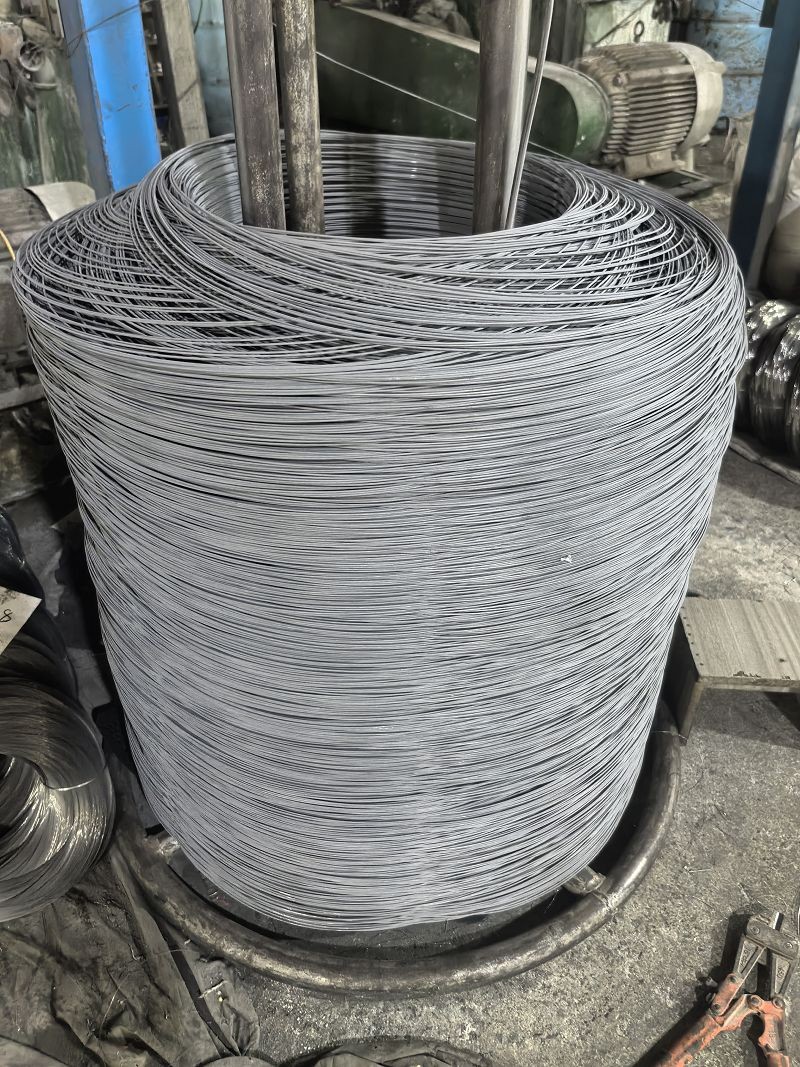
Now, I want to mention some of our products that are great for electrolytic phosphating of complex - shaped parts. We have Hot-rolled Wire Rod Phosphatizing Agents. These agents are formulated to work well in electrolytic phosphating processes and can handle the challenges of complex - shaped parts. They are designed to provide excellent corrosion protection and adhesion, even on parts with complex geometries.
Another great product is our Online Multi - filament Electrolytic Phosphatizing Agents. These agents are specifically developed for high - speed, continuous electrolytic phosphating processes. They can be very effective for treating complex - shaped parts in a production - line environment.
In conclusion, electrolytic phosphating can definitely be used for the surface treatment of complex - shaped parts. It offers the advantages of uniform coating and fast processing times. While there are some challenges to overcome, with the right equipment, electrode design, and phosphating agents, you can achieve great results.
If you're in the market for electrolytic phosphating solutions for your complex - shaped parts, I'd love to have a chat with you. We can discuss your specific requirements and find the best solution for your needs. Whether you're a small - scale manufacturer or a large industrial operation, we've got the products and expertise to help you get the most out of electrolytic phosphating.
References
- Smith, J. (2018). "Advances in Electrolytic Phosphating Technology". Journal of Surface Treatment, 25(3), 45 - 52.
- Brown, A. (2019). "Surface Treatment of Complex - Shaped Metal Parts". Manufacturing Review, 32(2), 67 - 74.