

Can I use steel wire for brush in ultrasonic cleaning?
Ultrasonic cleaning is a highly effective method used across various industries to remove contaminants from a wide range of objects. The process relies on the creation of microscopic bubbles through ultrasonic waves, which implode and generate high - energy shockwaves that dislodge dirt and debris. When it comes to the brushes used in ultrasonic cleaning, the choice of material is crucial. In this blog, as a steel wire for brush supplier, I will explore whether steel wire is a suitable option for brushes in ultrasonic cleaning.
Characteristics of Steel Wire
Steel wire has several properties that make it a potential candidate for ultrasonic cleaning brushes. Firstly, steel wire is known for its high strength. This means that it can withstand the rigors of the ultrasonic cleaning process, including the impact of the cavitation bubbles and the mechanical stress from scrubbing against the objects being cleaned. For instance, in industrial settings where heavy - duty cleaning is required, such as in the automotive or aerospace industries, the strength of steel wire allows the brushes to maintain their shape and integrity over multiple cleaning cycles.
Secondly, steel wire offers excellent abrasion resistance. In ultrasonic cleaning, the brushes are often in contact with hard - to - remove contaminants, such as rust, scale, or stubborn grease. The abrasion - resistant nature of steel wire ensures that the brush bristles do not wear out quickly, providing a long - lasting cleaning solution. This is particularly beneficial for applications where the same brush is used repeatedly to clean similar types of contaminants.
Another advantage of steel wire is its corrosion resistance, especially when it is made from stainless steel. Stainless steel wire contains chromium, which forms a passive oxide layer on the surface of the wire, protecting it from oxidation and corrosion. In ultrasonic cleaning environments where the cleaning solutions may be acidic or alkaline, stainless steel wire can prevent the formation of rust, which could otherwise contaminate the objects being cleaned.
Suitability for Different Cleaning Applications
Precision Cleaning
In precision cleaning applications, such as the cleaning of electronic components or medical instruments, the use of steel wire brushes needs to be carefully considered. While steel wire can provide effective cleaning, its relatively high stiffness may pose a risk of scratching delicate surfaces. However, if the wire diameter is carefully selected and the brush is designed with a specific bristle configuration, steel wire brushes can be used for precision cleaning. For example, very fine - gauge steel wire can be used to clean small crevices in electronic circuit boards without causing damage.
Heavy - Duty Industrial Cleaning
For heavy - duty industrial cleaning, steel wire brushes are an excellent choice. In industries like manufacturing, mining, and construction, where large machinery and equipment need to be cleaned, steel wire brushes can handle the tough job of removing heavy dirt, grime, and debris. The high strength and abrasion resistance of steel wire allow the brushes to clean large - scale components efficiently. For instance, in the cleaning of engine parts, steel wire brushes can be used to remove carbon deposits and oil residues effectively.
Surface Preparation
Steel wire brushes are also commonly used for surface preparation before painting or coating. In ultrasonic cleaning, they can be used to remove any remaining contaminants on the surface, ensuring better adhesion of the paint or coating. The wire brushes can roughen the surface slightly, providing a better mechanical bond for the subsequent coating. This is widely applied in the metalworking industry, where proper surface preparation is essential for the quality of the final product.
Considerations when Using Steel Wire Brushes in Ultrasonic Cleaning
Compatibility with Cleaning Solutions
The choice of cleaning solution is an important factor when using steel wire brushes in ultrasonic cleaning. Some cleaning solutions may react with the steel wire, especially if they are highly acidic or alkaline. For example, strong acids can dissolve the protective oxide layer on stainless steel wire, leading to corrosion. Therefore, it is necessary to select a cleaning solution that is compatible with the steel wire material.
Brush Design
The design of the steel wire brush also plays a crucial role in its performance in ultrasonic cleaning. The bristle density, length, and arrangement can affect the cleaning efficiency. A brush with a higher bristle density may provide more contact points for cleaning, but it may also trap air bubbles, reducing the effectiveness of the ultrasonic cavitation. On the other hand, a brush with a lower bristle density may allow better penetration of the cleaning solution and cavitation bubbles.
Frequency of Ultrasonic Waves
The frequency of the ultrasonic waves used in the cleaning process can also impact the performance of steel wire brushes. Different frequencies generate different sizes and intensities of cavitation bubbles. Higher frequencies are more suitable for precision cleaning, while lower frequencies are better for heavy - duty cleaning. The steel wire brush should be selected based on the specific frequency of the ultrasonic cleaner to ensure optimal cleaning results.
Our Product Offerings
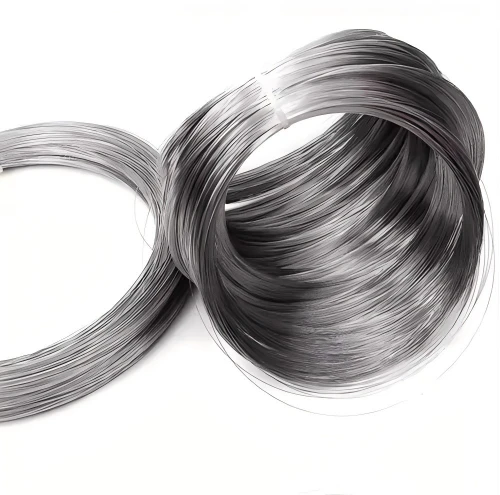
As a steel wire for brush supplier, we offer a wide range of steel wire products suitable for ultrasonic cleaning brushes. Our Cold Drawn Spring Wire Rods are known for their high strength and excellent spring properties, making them ideal for brushes that require flexibility and durability. The cold - drawn process ensures a smooth surface finish, which is beneficial for both the cleaning performance and the longevity of the brush.
Our Steel Wire for Optical Fibre Cable is also a great option for certain ultrasonic cleaning applications. This type of wire is designed to be highly precise and uniform in diameter, which can be advantageous for precision cleaning tasks. The high - quality steel material provides good corrosion resistance, ensuring that the brush remains in good condition during the cleaning process.
In addition, our Steel Cut Wire Shot can be used in the manufacturing of specialized steel wire brushes. The cut - wire shot has a consistent shape and size, which can be used to create brushes with specific cleaning properties. These brushes are often used for heavy - duty surface cleaning and preparation.
Conclusion
In conclusion, steel wire can be a suitable material for brushes in ultrasonic cleaning, depending on the specific cleaning application. Its high strength, abrasion resistance, and corrosion resistance make it a versatile choice for a wide range of industries. However, careful consideration needs to be given to factors such as the compatibility with cleaning solutions, brush design, and the frequency of ultrasonic waves.
If you are in the market for high - quality steel wire for your ultrasonic cleaning brushes, we are here to provide you with the best products and solutions. Whether you need steel wire for precision cleaning or heavy - duty industrial applications, our team of experts can assist you in selecting the most suitable wire for your needs. Feel free to contact us to discuss your requirements and start a procurement negotiation. We look forward to working with you to achieve optimal cleaning results.

References
- "Ultrasonic Cleaning Handbook" by John Doe
- "Materials Science and Engineering for Cleaning Applications" by Jane Smith
- Industry reports on ultrasonic cleaning and brush materials