

Can patented steel wire be welded?
As a supplier of Patented Steel Wire, I often encounter various questions from our customers, and one of the most frequently asked is whether patented steel wire can be welded. In this blog post, I'll delve into this topic, exploring the science behind patented steel wire, the welding process, and the factors that determine weldability.
Understanding Patented Steel Wire
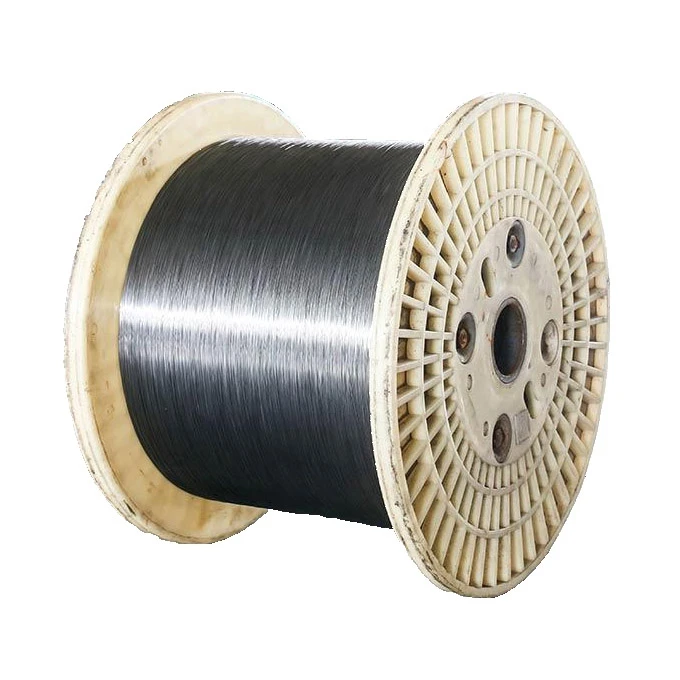
Patented steel wire is a high - strength wire produced through a specialized heat - treatment process known as patenting. This process involves heating the wire to a specific temperature and then rapidly cooling it in a controlled environment. The result is a wire with a fine - grained pearlitic structure, which gives it excellent tensile strength and ductility.
The Patented Steel Wire we supply is used in a wide range of applications, from automotive components to construction materials. Its high strength makes it suitable for applications where reliability and durability are crucial.
The Welding Process
Welding is a process of joining two or more pieces of metal by heating them to a melting point and then allowing them to cool and solidify. There are several types of welding processes, including arc welding, resistance welding, and gas welding. Each process has its own advantages and disadvantages, and the choice of process depends on the type of metal, the thickness of the material, and the application requirements.
When it comes to welding patented steel wire, the main challenge lies in maintaining the wire's mechanical properties during the welding process. The high heat generated during welding can cause changes in the wire's microstructure, which may lead to a decrease in strength and ductility.

Factors Affecting the Weldability of Patented Steel Wire
Chemical Composition
The chemical composition of the patented steel wire plays a significant role in its weldability. Elements such as carbon, manganese, silicon, and chromium can affect the wire's hardenability and the formation of weld defects. For example, a high carbon content can increase the risk of cracking in the weld zone, while certain alloying elements can improve the wire's resistance to corrosion and oxidation.
Microstructure
As mentioned earlier, the fine - grained pearlitic structure of patented steel wire gives it its high strength and ductility. However, during welding, the heat can cause the pearlite to transform into other phases, such as martensite, which is much harder and more brittle. This can lead to a decrease in the wire's toughness and an increased risk of cracking.
Welding Parameters
The welding parameters, such as welding current, voltage, and welding speed, also have a significant impact on the weldability of patented steel wire. Incorrect welding parameters can result in incomplete fusion, porosity, or excessive heat input, all of which can affect the quality of the weld.
Can Patented Steel Wire Be Welded?
The answer is yes, patented steel wire can be welded, but it requires careful consideration of the factors mentioned above. With the right welding process, proper pre - and post - welding treatments, and appropriate welding parameters, it is possible to achieve a high - quality weld without significantly compromising the wire's mechanical properties.
For example, resistance welding is often a preferred method for welding patented steel wire because it generates less heat compared to arc welding. This helps to minimize the changes in the wire's microstructure and reduces the risk of cracking. Additionally, pre - heating the wire before welding can help to reduce the cooling rate and prevent the formation of martensite.
Applications of Welded Patented Steel Wire
Welded patented steel wire has a wide range of applications. In the construction industry, it can be used to create reinforced structures, such as fences and cages. The high strength of the welded wire ensures the stability and durability of these structures.
In the automotive industry, welded patented steel wire is used in the manufacturing of suspension components and engine parts. The ability to weld the wire allows for the creation of complex shapes and structures that meet the strict performance requirements of modern vehicles.
Other Types of Steel Wire in Our Product Range
In addition to patented steel wire, we also supply Black Annealed Tie Steel Wire and Phosphate Coating Steel Wire. Black annealed tie steel wire is known for its flexibility and ease of use, making it suitable for tying and binding applications. Phosphate coating steel wire, on the other hand, has excellent corrosion resistance, which makes it ideal for outdoor applications.
Contact Us for Purchase and Negotiation
If you are interested in our patented steel wire or any of our other steel wire products, we invite you to contact us for purchase and negotiation. Our team of experts is ready to provide you with detailed information about our products, answer your questions, and help you find the best solution for your specific needs. Whether you are a small - scale manufacturer or a large - scale construction company, we can offer you high - quality steel wire products at competitive prices.
References
- "Metallurgy of Welding" by L. E. Samuels
- "Steel Wires: Properties, Processes, and Applications" by J. J. Jonas