

What are the fire resistance properties of coated steel wire?
What are the fire resistance properties of coated steel wire?
As a supplier of coated steel wire, I often get asked about the fire resistance properties of our products. Fire safety is of utmost importance in various industries, and understanding how coated steel wire performs under fire conditions is crucial for many applications. In this blog post, I will delve into the fire resistance properties of coated steel wire, exploring the role of different coatings and their impact on the wire's ability to withstand high temperatures.
Understanding the Basics of Fire Resistance
Before we discuss the fire resistance of coated steel wire, let's first understand what fire resistance means. Fire resistance refers to the ability of a material to withstand the effects of fire, including heat, flames, and the spread of fire. In the context of steel wire, fire resistance is determined by several factors, such as the composition of the steel, the type of coating applied, and the thickness of the coating.
Steel is a relatively fire-resistant material on its own. It has a high melting point, typically around 1370 - 1510°C (2500 - 2750°F), which means it can withstand high temperatures for a certain period without melting. However, when exposed to prolonged high temperatures, steel can lose its strength and structural integrity, leading to deformation and failure. This is where coatings come into play.
The Role of Coatings in Fire Resistance
Coatings on steel wire serve multiple purposes, including corrosion protection, aesthetic appeal, and in some cases, improved fire resistance. Different types of coatings have different effects on the fire resistance of the steel wire. Here are some common coatings used on steel wire and their impact on fire resistance:
Zinc Coating
Zinc coating, also known as galvanizing, is one of the most widely used coatings on steel wire. Zinc has a relatively low melting point of about 419°C (786°F). When a zinc-coated steel wire is exposed to fire, the zinc coating melts first, forming a protective layer of zinc oxide. This layer acts as a barrier, reducing the rate of heat transfer to the underlying steel and slowing down the oxidation process.
The zinc oxide layer also helps to prevent the spread of flames along the wire surface. However, once the zinc coating has completely melted and oxidized, the steel wire is left exposed to the fire, and its fire resistance is then determined by the properties of the steel itself. Overall, zinc-coated steel wire provides some level of fire protection, but it may not be suitable for applications where long-term fire resistance is required.
Tin Plating
Tin plating is another common coating used on steel wire. Tin has a melting point of about 232°C (449°F), which is lower than that of zinc. When a tin-plated steel wire is exposed to fire, the tin coating melts quickly, leaving the steel wire vulnerable to the effects of the fire. However, tin plating can provide some benefits in terms of corrosion resistance and electrical conductivity, which may be important in certain applications.
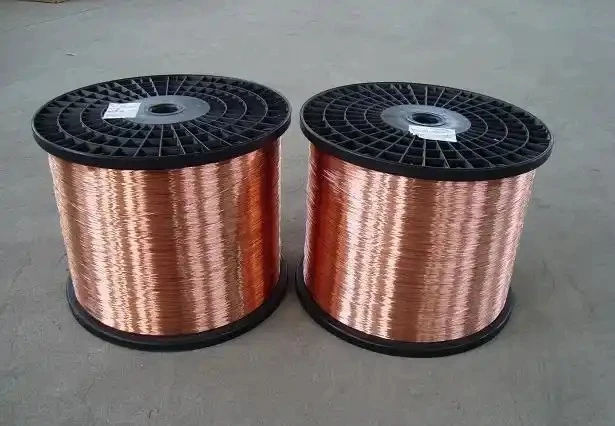
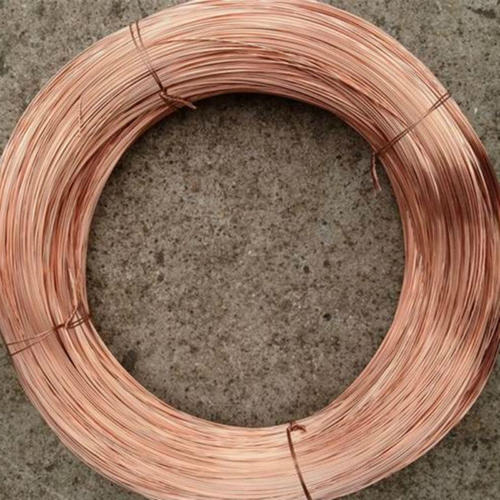
For example, Tin Plated Copper Steel Wire combines the advantages of tin plating with the conductivity of copper. While the tin coating may not significantly enhance the fire resistance of the wire, the copper core can help to conduct heat away from the fire source, potentially reducing the risk of overheating in some electrical applications.
Ceramic Coatings
Ceramic coatings are known for their excellent heat resistance properties. These coatings can withstand extremely high temperatures, often in excess of 1000°C (1832°F). When applied to steel wire, ceramic coatings form a hard, protective layer that acts as a thermal barrier, preventing the steel from reaching its critical temperature and losing its strength.
Ceramic-coated steel wire is highly suitable for applications where fire resistance is a primary concern, such as in the construction of fire-resistant structures, electrical wiring in high-temperature environments, and industrial furnaces. However, ceramic coatings can be more expensive than other types of coatings, and their application process may be more complex.
Factors Affecting the Fire Resistance of Coated Steel Wire
In addition to the type of coating, several other factors can affect the fire resistance of coated steel wire. These include:
Coating Thickness
The thickness of the coating plays a significant role in determining the fire resistance of the steel wire. A thicker coating provides more protection, as it takes longer for the coating to melt and expose the underlying steel. However, there is a limit to how thick the coating can be, as overly thick coatings may crack or peel off during the manufacturing process or when exposed to mechanical stress.
Steel Composition
The composition of the steel also affects its fire resistance. Different grades of steel have different properties, such as carbon content, alloying elements, and grain structure, which can influence their ability to withstand high temperatures. For example, steel with a higher carbon content may have better strength at room temperature but may be more prone to oxidation and loss of strength at high temperatures.
Environmental Conditions
The environmental conditions in which the coated steel wire is used can also impact its fire resistance. Factors such as humidity, air flow, and the presence of other chemicals can affect the rate of oxidation and the performance of the coating. For example, in a humid environment, the zinc coating on galvanized steel wire may corrode more quickly, reducing its effectiveness as a fire protection layer.
Comparing Coated and Uncoated Steel Wire
It is important to note that coated steel wire generally has better fire resistance than Uncoated Steel Wire. Uncoated steel wire is more susceptible to oxidation and corrosion, especially at high temperatures. When exposed to fire, uncoated steel wire can quickly lose its strength and structural integrity, leading to premature failure.
Coated steel wire, on the other hand, benefits from the protective properties of the coating, which can slow down the oxidation process and provide some level of insulation against heat. However, the specific fire resistance of coated steel wire depends on the type and quality of the coating, as well as the factors mentioned above.
Applications of Fire-Resistant Coated Steel Wire
Fire-resistant coated steel wire has a wide range of applications in various industries. Some common applications include:
Construction
In the construction industry, fire-resistant coated steel wire is used in the reinforcement of concrete structures, such as columns, beams, and slabs. The wire helps to improve the structural integrity of the concrete and prevent it from collapsing in the event of a fire. It is also used in the installation of fire-resistant partitions, ceilings, and walls.
Electrical Wiring
In electrical applications, fire-resistant coated steel wire is used to ensure the safety and reliability of electrical systems. The wire can be used in high-temperature environments, such as in industrial furnaces, power plants, and electrical substations. It helps to prevent short circuits and electrical fires by providing a stable and fire-resistant conductor.
Automotive Industry
In the automotive industry, fire-resistant coated steel wire is used in the wiring harnesses of vehicles. The wire helps to protect the electrical system from the heat generated by the engine and other components, reducing the risk of electrical fires. It is also used in the construction of fire-resistant seats and other interior components.
Conclusion
In conclusion, the fire resistance properties of coated steel wire depend on several factors, including the type of coating, coating thickness, steel composition, and environmental conditions. Different coatings offer different levels of fire protection, with ceramic coatings providing the highest level of heat resistance. Coated steel wire generally has better fire resistance than uncoated steel wire, making it a preferred choice for applications where fire safety is a concern.
As a supplier of coated steel wire, we offer a wide range of products with different coatings and specifications to meet the diverse needs of our customers. Whether you are looking for Tin Plated Copper Steel Wire, Tin Plated Bronze Steel Wire, or other types of coated steel wire, we can provide you with high-quality products that meet your fire resistance requirements.
If you are interested in learning more about our coated steel wire products or have any questions about their fire resistance properties, please feel free to contact us. We are always happy to assist you with your procurement needs and provide you with the information you need to make an informed decision.
References
- "Fire Resistance of Steel Structures" by John W. Fisher and David A. Nethercot
- "Coatings for Corrosion Protection of Steel" by George S. Frankel
- "Handbook of Fire Protection Engineering" by Society of Fire Protection Engineers