

What are the mechanical properties of uncoated steel wire?
Hey there! I'm a supplier of Uncoated Steel Wire, and today I'm super stoked to chat with you about the mechanical properties of this awesome product.
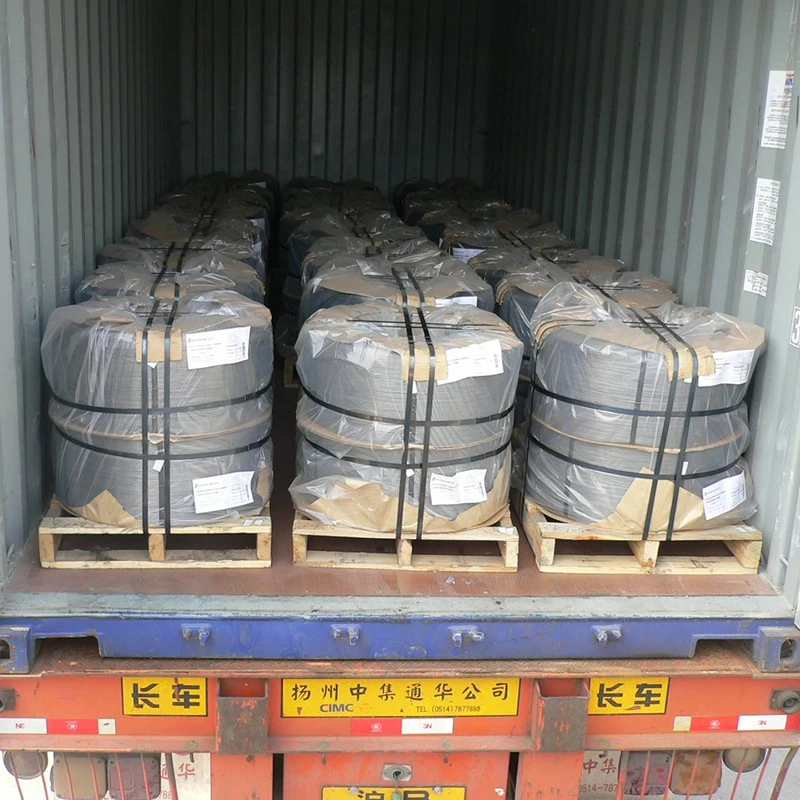
Let's start with what uncoated steel wire is. It's basically steel wire that doesn't have any additional coating on it. You can check out more about it here: Uncoated Steel Wire. This type of wire is widely used in various industries due to its unique mechanical properties.
Tensile Strength
One of the most important mechanical properties of uncoated steel wire is its tensile strength. Tensile strength refers to the maximum amount of tensile (pulling) stress that a material can withstand before breaking. Uncoated steel wire typically has a high tensile strength, which makes it ideal for applications where the wire needs to bear heavy loads or resist stretching.
For example, in the construction industry, uncoated steel wire is often used in concrete reinforcement. The high tensile strength of the wire helps to improve the overall strength and durability of the concrete structure. When the concrete is subjected to external forces, the steel wire can effectively distribute the stress and prevent the concrete from cracking or collapsing.
In the manufacturing of wire ropes, uncoated steel wire is also a popular choice. Wire ropes are used in a wide range of applications, such as elevators, cranes, and suspension bridges. The high tensile strength of the uncoated steel wire ensures that the wire ropes can safely support heavy loads and operate under harsh conditions.
Ductility
Another important property of uncoated steel wire is its ductility. Ductility is the ability of a material to deform under tensile stress without breaking. Uncoated steel wire has good ductility, which means it can be easily drawn into thinner wires or formed into different shapes.
This property is very useful in the wire drawing process. Wire drawing is a manufacturing process in which a wire is pulled through a series of dies to reduce its diameter and increase its length. The good ductility of uncoated steel wire allows it to be drawn into very thin wires with high precision. These thin wires are widely used in the electronics industry, such as in the manufacturing of electrical cables and printed circuit boards.
In addition, the ductility of uncoated steel wire also makes it suitable for applications where the wire needs to be bent or shaped. For example, in the production of wire mesh, the uncoated steel wire can be easily woven or welded into various patterns to form a strong and flexible mesh structure. The wire mesh is commonly used in fencing, filtration, and screening applications.
Hardness
Hardness is another mechanical property that is closely related to the performance of uncoated steel wire. Hardness refers to the resistance of a material to indentation, scratching, or wear. Uncoated steel wire can have different levels of hardness depending on its composition and heat treatment.
In general, high - hardness uncoated steel wire is more resistant to wear and abrasion. This makes it suitable for applications where the wire is exposed to harsh environments or needs to withstand friction. For example, in the mining industry, uncoated steel wire is used in conveyor belts and wire ropes. The high - hardness wire can resist the wear caused by the movement of the conveyor belt or the friction between the wire rope and the pulley, ensuring a long service life.
On the other hand, low - hardness uncoated steel wire is more flexible and easier to process. It is often used in applications where the wire needs to be bent or formed without breaking. For example, in the production of springs, low - hardness uncoated steel wire can be easily coiled into the desired shape to provide the required elasticity.
Fatigue Resistance
Fatigue resistance is an important property for uncoated steel wire, especially in applications where the wire is subjected to repeated loading and unloading. Fatigue occurs when a material fails under cyclic stress, even though the stress level is lower than the material's ultimate tensile strength.
Uncoated steel wire with good fatigue resistance can withstand a large number of loading cycles without breaking. This is crucial in applications such as automotive suspension systems, where the wire is constantly subjected to vibrations and shocks. The high fatigue resistance of the uncoated steel wire ensures the reliability and safety of the suspension system.
In the aerospace industry, uncoated steel wire is also used in various components that are exposed to cyclic loading. For example, in the manufacturing of aircraft landing gear, the wire needs to have excellent fatigue resistance to withstand the repeated impact and stress during takeoff and landing.
Comparison with Coated Steel Wires
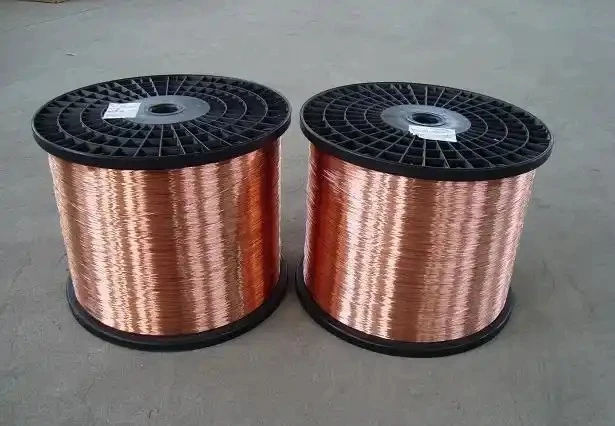
Now, let's compare uncoated steel wire with some coated steel wires. There are different types of coated steel wires, such as Brass Coated Steel Wire and Tin Plated Bronze Steel Wire.
Coated steel wires offer some advantages over uncoated steel wire. For example, the coating can provide corrosion protection, which is especially important in applications where the wire is exposed to moisture or corrosive environments. The brass coating on brass - coated steel wire can act as a barrier to prevent the steel from rusting, extending the service life of the wire.
However, uncoated steel wire also has its own unique advantages. It is generally more cost - effective than coated steel wires, as there is no additional cost for the coating process. In addition, uncoated steel wire can have better mechanical properties in some cases. For example, the absence of a coating can result in a higher tensile strength and better fatigue resistance, as the coating may introduce some defects or reduce the wire's cross - sectional area.
Applications of Uncoated Steel Wire
Uncoated steel wire has a wide range of applications across different industries. In addition to the ones mentioned above, it is also used in the agricultural industry for fencing and animal enclosures. The high strength and durability of the uncoated steel wire make it a reliable choice for protecting livestock and crops.
In the furniture industry, uncoated steel wire is used in the manufacturing of wire furniture, such as chairs and tables. The wire can be bent and welded into various shapes to create stylish and functional furniture pieces.
In the art and crafts field, uncoated steel wire is a popular material for creating sculptures and jewelry. Its flexibility and strength allow artists to bring their creative ideas to life.
Why Choose Our Uncoated Steel Wire
As a supplier of uncoated steel wire, we take pride in offering high - quality products. Our uncoated steel wire is manufactured using the latest technology and strict quality control measures. We ensure that our wire meets the highest standards in terms of tensile strength, ductility, hardness, and fatigue resistance.
We also offer a wide range of sizes and specifications to meet the diverse needs of our customers. Whether you need thin wires for electronics or thick wires for construction, we have the right product for you.
Moreover, our prices are very competitive. We understand the importance of cost - effectiveness in today's market, and we strive to provide our customers with the best value for their money.
If you're interested in our uncoated steel wire or have any questions about its mechanical properties and applications, don't hesitate to contact us. We're always here to help you find the perfect solution for your needs. Let's start a great business partnership and make your projects a success!
References
- "Materials Science and Engineering: An Introduction" by William D. Callister Jr. and David G. Rethwisch
- "Mechanical Properties of Engineering Materials" by J. F. Shackelford
- Industry reports on steel wire manufacturing and applications.