

Can uncoated steel wire be bent easily?
Can uncoated steel wire be bent easily?
As a supplier of Uncoated Steel Wire, I often get asked this question by customers. The answer isn't a simple yes or no, as it depends on several factors. In this blog post, I'll delve into the intricacies of bending uncoated steel wire, exploring the variables that influence its bendability and providing insights for those considering using it in their projects.
Understanding Uncoated Steel Wire
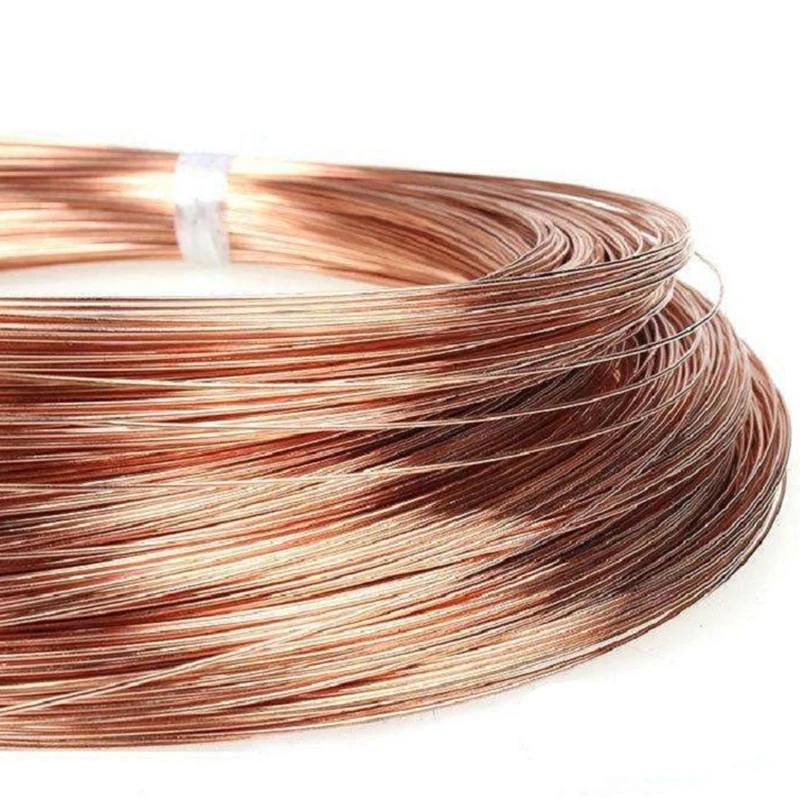
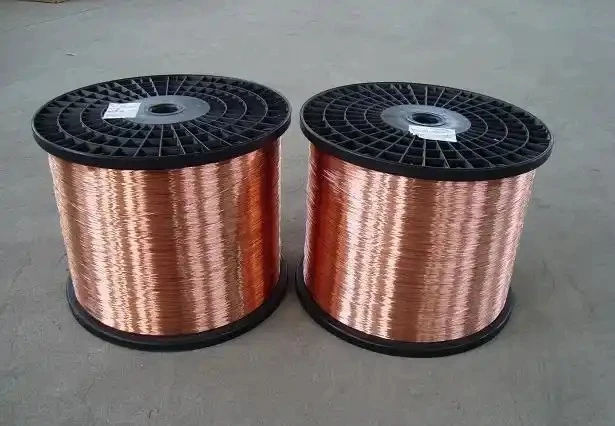
Uncoated steel wire, as the name suggests, is steel wire without any additional coating. It's a versatile material used in a wide range of applications, from construction and manufacturing to art and crafts. Its lack of coating gives it a raw, industrial look, and it offers certain advantages over coated wires, such as cost - effectiveness and unobstructed conductivity in electrical applications. You can learn more about our Uncoated Steel Wire on our website.
Factors Affecting Bendability
1. Wire Diameter
One of the most significant factors influencing the bendability of uncoated steel wire is its diameter. Thinner wires are generally easier to bend than thicker ones. This is because the force required to deform the wire is proportional to its cross - sectional area. A thin wire has less material to deform, so less force is needed to change its shape. For example, a 0.5 - millimeter diameter uncoated steel wire can be bent by hand with relative ease, while a 5 - millimeter diameter wire would require specialized tools and a significant amount of force.
2. Steel Composition
The composition of the steel used in the wire also plays a crucial role. Different types of steel have different levels of hardness and ductility. Steel with a high carbon content is harder and less ductile, making it more difficult to bend. On the other hand, low - carbon steel is softer and more ductile, allowing it to be bent more easily. For instance, mild steel, which has a relatively low carbon content, is commonly used in applications where bendability is important, such as in the production of wire mesh and springs.
3. Heat Treatment
Heat treatment can significantly alter the properties of uncoated steel wire. Annealing is a common heat - treatment process that involves heating the wire to a specific temperature and then slowly cooling it. This process softens the steel, increasing its ductility and making it easier to bend. Quenching, on the other hand, involves rapid cooling and can make the wire harder and more brittle, reducing its bendability. Heat - treated uncoated steel wire can be tailored to meet specific bendability requirements depending on the application.
4. Surface Condition
Although uncoated steel wire lacks a protective coating, its surface condition can still affect bendability. A wire with a smooth surface is generally easier to bend than one with a rough or pitted surface. Surface irregularities can cause stress concentrations during bending, increasing the likelihood of cracking or breaking. Additionally, a wire that has been scratched or damaged during handling may be more prone to failure when bent.
Comparing with Coated Wires
When considering the bendability of uncoated steel wire, it's useful to compare it with coated wires such as Tin Plated Bronze Steel Wire and Brass Coated Steel Wire. Coated wires often have an added layer of protection that can improve their corrosion resistance and appearance. However, the coating can also affect bendability. In some cases, the coating may add stiffness to the wire, making it slightly more difficult to bend. On the other hand, a well - applied coating can sometimes act as a lubricant during bending, reducing friction and making the process smoother.
Applications and Bendability Requirements
The bendability requirements of uncoated steel wire vary depending on the application. In construction, uncoated steel wire may be used for tying rebar together. In this case, the wire needs to be flexible enough to be easily wrapped around the rebar and tied securely. In the manufacturing of springs, the wire must be able to be bent into precise shapes while maintaining its elasticity. In art and crafts, bendability is often a key consideration, as artists need to be able to shape the wire into various forms.
Tools for Bending Uncoated Steel Wire
For small - scale projects, simple hand tools such as pliers and wire cutters can be used to bend uncoated steel wire. Pliers provide a good grip and allow for precise bending. For larger - scale or more complex bending tasks, specialized tools such as wire benders and tube benders may be required. These tools can apply a consistent amount of force, ensuring accurate and repeatable bends.
Tips for Bending Uncoated Steel Wire
- Start Slowly: When bending uncoated steel wire, it's important to start with small bends and gradually increase the angle. This helps prevent the wire from cracking or breaking.
- Use Lubrication: Applying a small amount of lubricant, such as oil or grease, to the wire can reduce friction during bending and make the process smoother.
- Avoid Over - bending: Over - bending the wire can cause it to work - harden, making it more brittle and prone to failure. It's important to stay within the wire's elastic limit.
Conclusion
In conclusion, whether uncoated steel wire can be bent easily depends on a variety of factors, including wire diameter, steel composition, heat treatment, and surface condition. While thinner, low - carbon, and annealed wires are generally easier to bend, thicker, high - carbon, and quenched wires require more force and specialized tools. Understanding these factors is essential for anyone working with uncoated steel wire, whether in construction, manufacturing, or art.
If you're considering using uncoated steel wire in your project and have questions about its bendability or other properties, feel free to reach out. We're here to provide you with the information and support you need to make the right choice for your application. Contact us to discuss your requirements and start a procurement conversation.
References
- "Materials Science and Engineering: An Introduction" by William D. Callister Jr. and David G. Rethwisch
- "Handbook of Steel Construction" by American Institute of Steel Construction