

Can uncoated steel wire be used in the textile industry?
Hey there! As a supplier of uncoated steel wire, I often get asked if it can be used in the textile industry. Well, let's dive right into this topic and see what the deal is.
First off, let's talk a bit about uncoated steel wire. It's basically steel wire that doesn't have any additional coating on it. This gives it a raw, natural look and feel. It's known for its strength and durability, which are some pretty important qualities in any industry.
Now, when it comes to the textile industry, there are a few things we need to consider. The textile industry is all about making fabrics, clothes, and other textile products. There are different processes involved, like weaving, knitting, and embroidery.
One of the main uses of wire in the textile industry is in machinery. For example, some textile machines use wires to guide the threads or to create certain patterns. Uncoated steel wire can be a great option here because of its strength. It can withstand the tension and stress that comes with the constant movement in these machines.
Let's say you have a high - speed weaving machine. The wires in this machine need to be tough enough to handle the rapid back - and - forth motion. Uncoated steel wire, with its high tensile strength, can do the job. It won't break easily under the pressure, which means less downtime for the machine and more efficient production.
Another aspect is cost. Uncoated steel wire is generally more affordable compared to its coated counterparts. For textile manufacturers who are looking to cut down on costs without sacrificing too much on quality, uncoated steel wire can be a good choice. You can get a decent amount of wire for a lower price, which can add up to significant savings in the long run.
However, there are also some drawbacks to using uncoated steel wire in the textile industry. One of the biggest issues is corrosion. Since it doesn't have a protective coating, uncoated steel wire is more prone to rusting when it comes into contact with moisture. In a textile factory, there might be some humidity in the air, especially if there are processes that involve water, like dyeing. This can cause the wire to rust over time, which can not only damage the wire itself but also potentially contaminate the textile products.
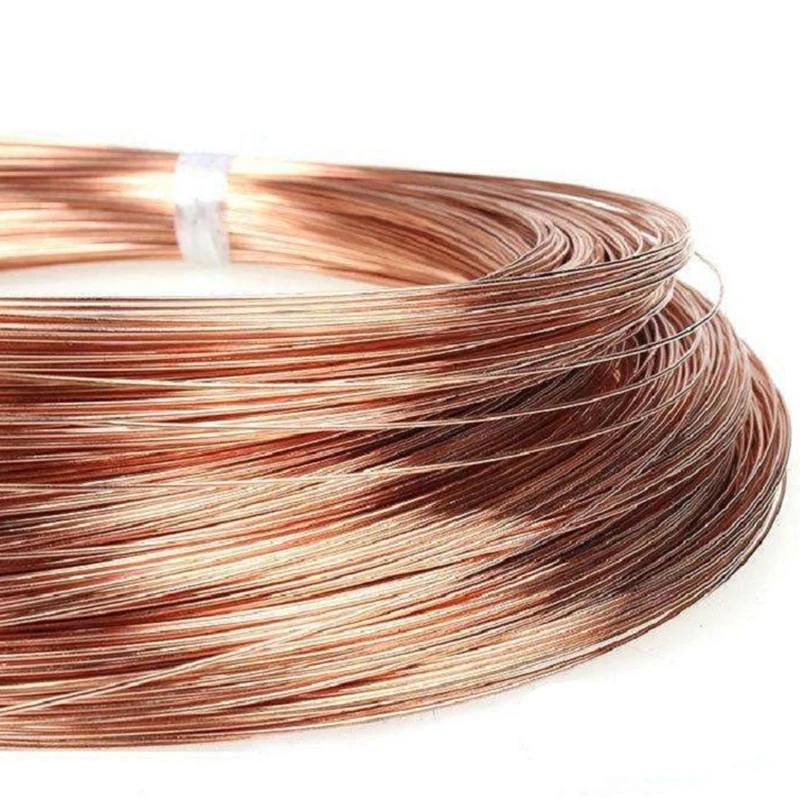
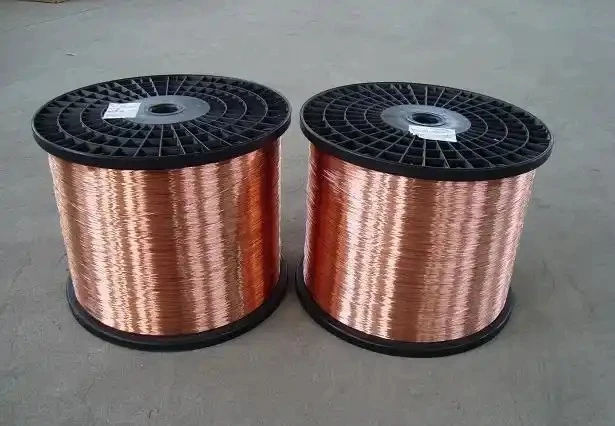
To deal with this corrosion problem, some manufacturers might consider using coated steel wires. For instance, Anti Oxidation Copper Coated Steel Wire has a copper coating that helps protect the steel from oxidation and corrosion. Similarly, Tin Plated Bronze Steel Wire and Brass Coated Steel Wire offer different levels of protection against rust and other forms of damage.
But if the textile environment is relatively dry and the risk of corrosion is low, uncoated steel wire can still be a viable option. For example, in some small - scale embroidery operations where the machines are kept in a well - ventilated and dry area, uncoated steel wire can work just fine.
In terms of the actual textile products, uncoated steel wire can also be used in some niche applications. Some designers are now using steel wire in creating unique textile art pieces. The wire can be woven or twisted into different shapes to add a three - dimensional element to the fabric. It gives a modern and edgy look to the textile products, which can be appealing to a certain market segment.
When it comes to maintenance, uncoated steel wire is relatively easy to work with. You don't have to worry about the coating peeling off or getting damaged during handling. You can simply clean it with a dry cloth or a mild cleaning solution if it gets dirty.
Now, if you're a textile manufacturer or someone interested in using uncoated steel wire in your textile projects, I'd love to have a chat with you. We can discuss your specific needs, like the thickness of the wire, the quantity you need, and any special requirements you might have. Whether you're looking for a cost - effective solution for your machinery or a unique material for your textile art, I'm here to help.
In conclusion, uncoated steel wire can definitely be used in the textile industry, but it has its pros and cons. It offers strength and affordability, but corrosion can be a concern. Depending on your specific situation, it might be a great fit or you might want to consider coated options. So, if you're thinking about using uncoated steel wire in your textile operations, give it some thought and feel free to reach out to me.
References:
- Textile Machinery Handbook
- Journal of Textile Science and Technology