

Does the steel wire for brush rust easily?
As a supplier of Steel Wire for Brush, I've encountered numerous inquiries from customers regarding the rust - resistance of our product. This topic is of great significance as rust can not only affect the appearance of the steel wire but also its performance and service life. In this blog, I'll delve into the factors that influence whether the steel wire for brush rusts easily and provide some practical insights.
Composition of Steel Wire for Brush
The composition of steel wire plays a crucial role in determining its rust - resistance. Generally, steel is an alloy mainly composed of iron and carbon, with other elements added to enhance specific properties. For steel wire used in brushes, the type and proportion of these additional elements can vary.
Stainless steel wire, for example, contains a significant amount of chromium. Chromium forms a thin, passive oxide layer on the surface of the steel wire. This layer acts as a barrier, preventing oxygen and moisture from reaching the underlying iron, thus significantly reducing the risk of rust. When the surface is scratched, the chromium in the steel can quickly re - form the protective oxide layer. Stainless steel wire for brushes is highly resistant to rust and is suitable for applications in humid or corrosive environments.
On the other hand, carbon steel wire, which has a relatively high carbon content and less chromium, is more prone to rust. Carbon steel is often more economical, but it lacks the inherent rust - resistance of stainless steel. In the presence of oxygen and moisture, iron in the carbon steel reacts with oxygen to form iron oxide, commonly known as rust.
Environmental Factors
The environment in which the steel wire for brush is used or stored has a profound impact on its rusting tendency.
Humidity
High humidity is one of the most significant factors contributing to rust. In a humid environment, water vapor in the air condenses on the surface of the steel wire, providing the necessary medium for the oxidation reaction. The higher the relative humidity, the faster the rusting process. For instance, in coastal areas where the air is saturated with moisture, carbon steel wire for brushes can start to show signs of rust within a relatively short period if not properly protected.
Temperature
Temperature also affects rusting. Generally, higher temperatures accelerate chemical reactions, including the oxidation of iron. When the temperature rises, the rate of moisture evaporation increases, but at the same time, the increased thermal energy promotes the movement of iron and oxygen atoms, facilitating the rusting process. However, extreme cold can also cause problems. If the steel wire is exposed to freezing temperatures and then thawed, the expansion and contraction of water on the surface can damage the protective layer, if any, and expose the underlying metal to rust.
Chemical Exposure
Exposure to certain chemicals can significantly increase the rusting rate of steel wire. For example, in industrial settings where the steel wire may come into contact with acids, alkalis, or salts, the corrosion process can be accelerated. Acids can react directly with the iron in the steel, dissolving the metal and forming rust. Salts, such as sodium chloride in seawater, can act as electrolytes, promoting the flow of electrons between different parts of the steel wire and speeding up the oxidation reaction.
Surface Treatment
Surface treatment is an effective way to improve the rust - resistance of steel wire for brush.
Galvanizing
Galvanizing involves coating the steel wire with a layer of zinc. Zinc is more reactive than iron, so when the zinc - coated steel wire is exposed to the environment, the zinc corrodes first, sacrificing itself to protect the underlying iron. This process is known as sacrificial protection. Galvanized steel wire for brushes can have a significantly longer rust - free lifespan compared to untreated carbon steel wire, especially in moderately corrosive environments.
Painting or Coating
Applying a paint or other protective coatings to the steel wire can also prevent rust. The coating acts as a physical barrier, preventing oxygen, moisture, and chemicals from reaching the steel surface. There are various types of coatings available, such as epoxy coatings, which are highly resistant to chemicals and moisture. However, the effectiveness of the coating depends on its quality and integrity. If the coating is scratched or damaged, the underlying steel can be exposed to rusting.
Comparison with Other Steel Products
When comparing Steel Wire for Brush with other steel products like Steel Cut Wire Shot and Flexible Duct Wire, we can see some differences in rust - resistance.

Steel Cut Wire Shot is often used for shot blasting and cleaning processes. It is usually made of high - carbon steel and is designed to be durable and have a certain hardness. However, due to its high carbon content and the nature of its application (exposed to abrasive and often wet conditions), it can be quite prone to rust if not properly maintained.
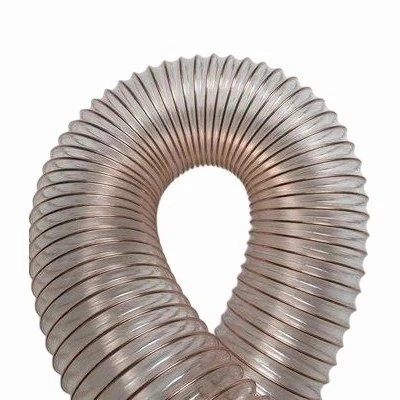
Flexible Duct Wire, on the other hand, is used in HVAC systems and other ventilation applications. It may be exposed to varying levels of humidity and temperature. Depending on the material, it can have different rust - resistance. Stainless steel flexible duct wire will have better rust - resistance compared to carbon steel wire, similar to the situation with steel wire for brushes.
Tips for Preventing Rust
As a supplier, I'd like to share some practical tips for our customers to prevent the rusting of steel wire for brush.
- Proper Storage: Store the steel wire in a dry, well - ventilated area. If possible, use a dehumidifier to control the humidity. Avoid storing the wire on the ground, as it can absorb moisture from the floor.
- Regular Inspection: Regularly inspect the steel wire for any signs of rust. If rust is detected early, it can be removed and the wire can be treated to prevent further corrosion.
- Use Protective Packaging: When transporting or storing the steel wire, use protective packaging such as plastic bags or shrink - wrap to isolate it from the environment.
In conclusion, whether the steel wire for brush rusts easily depends on multiple factors, including its composition, the environment it is exposed to, and the surface treatment. Stainless steel wire is generally more rust - resistant, while carbon steel wire requires proper protection. By understanding these factors and taking appropriate preventive measures, customers can ensure the long - term performance and durability of our Steel Wire for Brush.
If you're interested in our Steel Wire for Brush products or have any questions about rust - resistance and other aspects, feel free to contact us for procurement and further discussion. We're committed to providing high - quality products and professional solutions to meet your needs.
References
- ASM Handbook Committee. ASM Handbook, Volume 13A: Corrosion: Fundamentals, Testing, and Protection. ASM International, 2003.
- Fontana, M. G. Corrosion Engineering. McGraw - Hill, 1986.