

How does the brass coating on steel wire perform in coastal environments?
Hey there! As a supplier of Brass Coated Steel Wire, I've gotten tons of questions about how our product holds up in coastal environments. So, I thought I'd take a deep dive into this topic and share what I know.
First off, let's talk about why coastal environments are such a big deal when it comes to materials. Coastal areas are known for their high humidity, salty air, and constant exposure to seawater. These conditions can be extremely harsh on metals, leading to corrosion and degradation over time. Corrosion not only affects the appearance of the material but also its structural integrity, which can be a major problem in applications where strength and durability are crucial.
Now, let's get into the nitty - gritty of how brass coating on steel wire performs in these tough coastal settings.
1. Corrosion Resistance
Brass is an alloy made up of copper and zinc. This combination gives it some pretty impressive anti - corrosion properties. The copper in the brass forms a protective oxide layer on the surface when exposed to air. This layer acts as a barrier, preventing oxygen and moisture from reaching the underlying steel wire. In a coastal environment, where there's a lot of moisture and salt in the air, this oxide layer is especially important.
The zinc in the brass also plays a key role. Zinc is more reactive than iron (the main component of steel), so it acts as a sacrificial anode. This means that when corrosion occurs, the zinc will corrode first, protecting the steel wire from rusting. It's like having a bodyguard for your steel wire!
Compared to uncoated steel wire, which can start to rust within a few weeks in a coastal environment, brass - coated steel wire can last much longer. For example, in some studies, brass - coated steel wire has shown up to 5 - 10 times longer corrosion resistance than bare steel wire in similar coastal conditions.
If you're interested in other coated steel wires with good anti - oxidation properties, check out our Anti Oxidation Copper Coated Steel Wire.
2. Durability and Strength
In addition to corrosion resistance, brass coating also enhances the durability and strength of the steel wire. The brass layer adds an extra layer of protection against mechanical damage. In a coastal environment, there are often strong winds, waves, and sand particles that can cause abrasion on the wire. The brass coating helps to reduce this abrasion, keeping the wire intact and maintaining its strength.
The bond between the brass coating and the steel wire is also quite strong. This means that the coating won't easily peel off or flake away, even under harsh conditions. Whether it's being used in a coastal fence or a marine construction project, the brass - coated steel wire can withstand the wear and tear of daily use.
3. Flexibility and Workability
Brass - coated steel wire is also known for its flexibility and workability. It can be easily bent, twisted, and shaped without losing its integrity. This is really useful in coastal applications where the wire might need to be customized to fit different structures. For example, if you're building a coastal railing, you can easily shape the wire to follow the curves of the railing design.
This flexibility also means that the wire can adapt to the movement and vibrations that are common in coastal areas. Strong winds and waves can cause structures to move, and the brass - coated steel wire can handle this movement without breaking.
4. Comparison with Other Coatings
There are other types of coatings available for steel wire, such as hot - dipped galvanized coating. Hot Dipped Galvanized Steel Wire is also known for its corrosion resistance. However, brass - coated steel wire has some advantages over hot - dipped galvanized wire in coastal environments.
Hot - dipped galvanized wire has a thicker zinc layer, which provides good initial corrosion protection. But over time, in a highly corrosive coastal environment, the zinc layer can start to break down, especially in areas with high salt content. The brass coating, on the other hand, has a more stable and long - lasting protective layer due to the combination of copper and zinc.
Another advantage of brass - coated steel wire is its appearance. Brass has a more aesthetically pleasing golden - brown color compared to the silver - gray color of hot - dipped galvanized wire. This can be an important factor in applications where the appearance of the wire matters, such as in coastal landscaping or decorative structures.
5. Maintenance
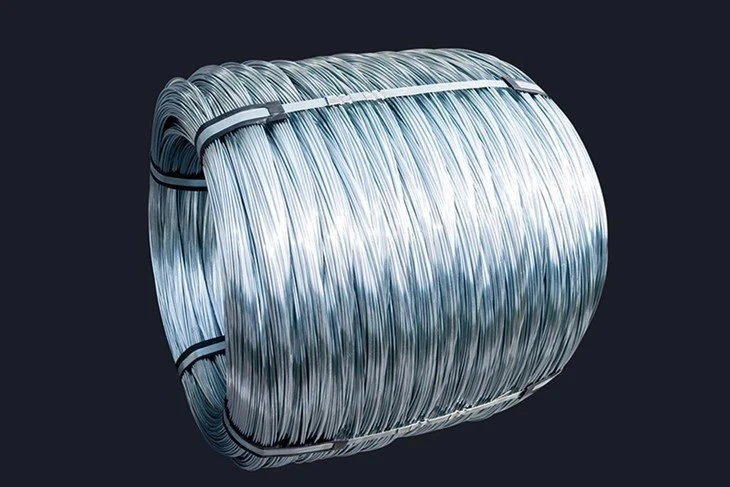

One of the great things about brass - coated steel wire in a coastal environment is that it requires relatively low maintenance. Unlike some other materials, you don't have to constantly paint or treat the wire to keep it in good condition. The natural protective layer of the brass coating does most of the work for you.
However, it's still a good idea to periodically inspect the wire for any signs of damage or corrosion. If you notice any areas where the coating has been damaged, you can touch up the area with a suitable brass paint or coating to prevent further corrosion.
6. Applications in Coastal Environments
Brass - coated steel wire has a wide range of applications in coastal areas. Here are some common ones:
- Coastal Fencing: It's used to build fences around beachfront properties, marinas, and coastal parks. The corrosion resistance and durability of the wire ensure that the fence will last for a long time, even in the face of harsh coastal conditions.
- Marine Construction: In marine construction projects, such as building piers, docks, and seawalls, brass - coated steel wire can be used for reinforcement. Its strength and corrosion resistance make it a reliable choice for these structures.
- Coastal Landscaping: For decorative purposes in coastal landscaping, like creating trellises or wire sculptures, the brass - coated steel wire's attractive appearance and workability are ideal.
- Aquaculture: In fish farms and aquaculture facilities located near the coast, the wire can be used for netting and cages. It can withstand the constant exposure to seawater and the movement of the fish.
If you're in the market for high - quality brass - coated steel wire for your coastal project, check out our Brass Coated Steel Wire.
In conclusion, brass - coated steel wire performs extremely well in coastal environments. Its corrosion resistance, durability, flexibility, and low maintenance make it a top choice for a variety of coastal applications. Whether you're a contractor working on a coastal construction project or a homeowner looking to add some fencing to your beachfront property, brass - coated steel wire is a reliable and long - lasting solution.
If you're interested in learning more about our products or have any questions about how brass - coated steel wire can work for your specific needs, don't hesitate to reach out. We're here to help you make the right choice for your project.
References
- Jones, D. A. (1992). Principles and Prevention of Corrosion. Macmillan Publishing Company.
- Uhlig, H. H., & Revie, R. W. (1985). Corrosion and Corrosion Control: An Introduction to Corrosion Science and Engineering. Wiley - Interscience.