

How does the color affect the properties of uncoated steel wire?
Hey there! As a supplier of uncoated steel wire, I've often been asked about how color can affect the properties of our products. You might be thinking, "Color? How can that possibly matter for steel wire?" Well, let me tell you, it's more important than you might think.
First off, we need to understand that the color of uncoated steel wire isn't just for looks. It can actually be an indicator of the wire's internal structure and the processes it's been through. For instance, a wire with a bluish - gray tint might have been exposed to heat treatment. Heat treatment can change the wire's hardness, strength, and ductility. When steel is heated and then cooled at specific rates, it forms different microstructures. A bluish color can sometimes suggest a tempered state, where the wire has been heated and then cooled to increase its toughness while maintaining a certain level of hardness.
On the other hand, a wire with a more silver - gray color could be in its as - rolled or cold - drawn state. Cold - drawing is a process where the wire is pulled through a die to reduce its diameter and increase its strength. The silver - gray color is typical of the clean, smooth surface that results from this process. This kind of wire usually has high tensile strength and good surface finish, which makes it suitable for applications where precision and strength are required, like in the manufacturing of springs or cables.
Now, let's talk about corrosion resistance. Color can also give us a clue about how well the uncoated steel wire will resist corrosion. A wire that has a darker, rust - colored tint is likely starting to corrode. Rust is formed when iron in the steel reacts with oxygen and water in the environment. Once rust starts to form, it can spread and weaken the wire over time. However, if the wire has a uniform, clean color, it's less likely to have started the corrosion process.
But here's the thing: just because a wire looks good on the outside doesn't mean it's completely safe from corrosion. The color only tells us about the surface condition. The internal structure of the steel also plays a big role in corrosion resistance. For example, the presence of certain alloying elements like chromium or nickel can make the steel more resistant to rust, even if the wire doesn't have any special coating.
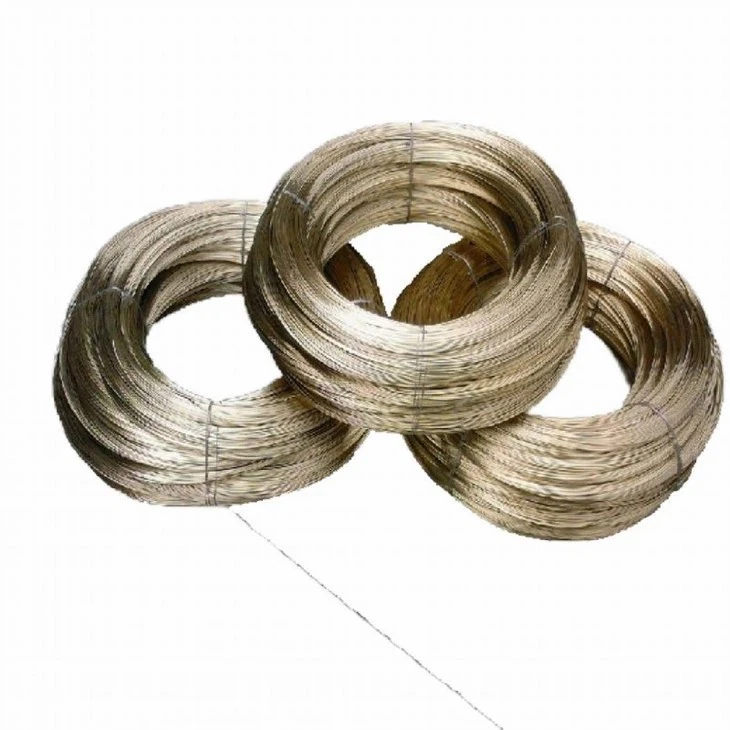
If you're in the market for coated steel wires, we also offer some great options. Check out our Tin Plated Copper Steel Wire, which combines the strength of steel with the conductivity and corrosion resistance of tin - plated copper. It's perfect for electrical applications. Another option is our Tin Plated Bronze Steel Wire, which has a unique combination of properties that make it suitable for various industrial uses. And if you're worried about oxidation, our Anti Oxidation Copper Coated Steel Wire is a great choice.
The color of uncoated steel wire can also affect its aesthetic appeal. In some applications, like in architectural or decorative uses, the color of the wire is an important consideration. A wire with a shiny, silver - gray color can add a modern and sleek look to a structure, while a wire with a more rustic, brownish - gray color can give a traditional or antique feel.
Let's dig a bit deeper into the relationship between color and mechanical properties. A wire that has a blackish color might have been treated with a process called blackening. Blackening is often used to improve the wire's resistance to wear and friction. This kind of wire is commonly used in applications where there's a lot of movement or contact, such as in machinery parts or conveyor systems. The black color is due to the formation of a thin oxide layer on the surface, which acts as a protective barrier.
In terms of color uniformity, it's also an important factor. A wire with a non - uniform color could indicate problems in the manufacturing process. For example, uneven heating during heat treatment or inconsistent cold - drawing can lead to color variations. These variations might also be accompanied by differences in mechanical properties, such as varying levels of hardness or strength along the length of the wire.
When it comes to choosing the right uncoated steel wire for your project, you need to consider all these factors related to color. If you need a wire with high strength and a smooth surface, a silver - gray cold - drawn wire might be your best bet. If you're looking for a wire with good wear resistance, a blackened wire could be the way to go. And if you're concerned about corrosion, pay close attention to the color and look for any signs of rust.
We understand that every project is unique, and that's why we offer a wide range of uncoated steel wires to meet your specific needs. Whether you're a small - scale manufacturer or a large - scale construction company, we've got the right wire for you.
If you're interested in learning more about our uncoated steel wire products or have any questions about how color affects their properties, don't hesitate to reach out. We're here to help you make the best choice for your project. Contact us to start a discussion about your requirements, and we'll work with you to find the perfect solution.
References
- ASM Handbook, Volume 1: Properties and Selection: Irons, Steels, and High - Performance Alloys
- Metals Handbook Desk Edition, Third Edition
- Corrosion Resistance of Metals and Alloys by L. L. Shreir