

How to choose the right steel wire for a fence?
Selecting the appropriate steel wire for a fence is a crucial decision that impacts not only the functionality but also the aesthetics and longevity of your fencing project. As a seasoned steel wire supplier, I've witnessed firsthand the diverse needs and challenges that customers face when it comes to choosing the right wire. In this blog post, I'll share some essential factors to consider when making this important choice.
1. Purpose of the Fence
The first step in choosing the right steel wire for your fence is to determine its primary purpose. Fences can serve various functions, such as providing security, marking boundaries, containing livestock, or enhancing the aesthetic appeal of a property.
- Security Fences: If security is your main concern, you'll need a strong and durable steel wire that can withstand attempts to breach it. High-tensile steel wires are often the best choice for security fences, as they offer excellent strength and resistance to cutting. These wires are typically used in chain-link fences or welded wire mesh fences, which are commonly found around commercial properties, industrial sites, and high-security areas.
- Boundary Fences: For boundary fences, the primary goal is to mark the limits of your property. While security may not be a major concern, you still want a wire that is sturdy enough to withstand the elements and occasional wear and tear. Galvanized steel wire is a popular choice for boundary fences, as it is corrosion-resistant and relatively inexpensive. It can be used in a variety of fence styles, including picket fences, split-rail fences, and wire mesh fences.
- Livestock Fences: When it comes to containing livestock, the wire you choose must be strong enough to prevent animals from breaking through or getting entangled. Barbed wire and electric fencing are two common options for livestock fences. Barbed wire is a traditional choice that has been used for centuries to keep animals in and predators out. Electric fencing, on the other hand, uses a mild electric shock to deter animals from touching the fence. Both types of fencing require careful installation and maintenance to ensure their effectiveness.
- Aesthetic Fences: If you're looking to enhance the visual appeal of your property, you may want to consider using decorative steel wire. Wrought iron wire, for example, is a popular choice for ornamental fences, as it can be shaped into intricate designs and patterns. Stainless steel wire is another option that offers a sleek and modern look. These wires are often used in residential settings, such as front yards and gardens.
2. Wire Gauge
The gauge of a steel wire refers to its thickness. The lower the gauge number, the thicker the wire. When choosing a wire for your fence, the gauge you select will depend on the specific requirements of your project.
- Thicker Wires: Thicker wires are generally stronger and more durable than thinner wires. They are better suited for applications where strength and security are a priority, such as security fences and livestock fences. However, thicker wires are also more expensive and may be more difficult to work with.
- Thinner Wires: Thinner wires are lighter and more flexible than thicker wires. They are often used in applications where flexibility and ease of installation are important, such as decorative fences and boundary fences. However, thinner wires may not be as strong or durable as thicker wires, and they may be more prone to breakage.
3. Coating
The coating on a steel wire can significantly affect its performance and longevity. There are several types of coatings available, each with its own advantages and disadvantages.

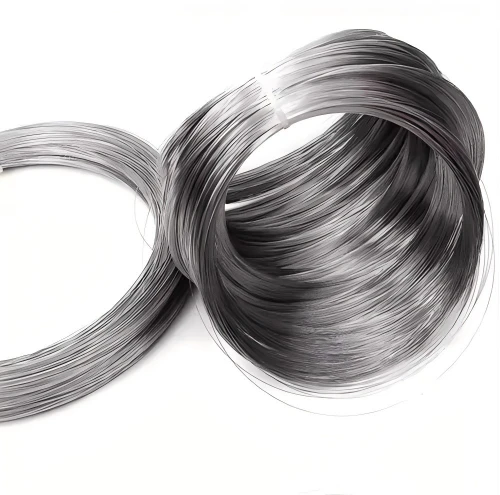
- Galvanized Coating: Galvanized steel wire is coated with a layer of zinc to protect it from corrosion. This coating is relatively inexpensive and provides good protection against rust and other forms of corrosion. Galvanized wire is commonly used in outdoor applications, such as fences, where it is exposed to the elements.
- PVC Coating: PVC-coated steel wire is coated with a layer of polyvinyl chloride (PVC) to provide additional protection against corrosion and to enhance its aesthetic appeal. PVC-coated wire is available in a variety of colors, making it a popular choice for decorative fences. However, PVC coating can be more expensive than galvanized coating, and it may not be as durable in harsh environments.
- Stainless Steel Coating: Stainless steel wire is made from a corrosion-resistant alloy that contains chromium and nickel. This type of wire is highly resistant to rust and other forms of corrosion, making it ideal for use in coastal areas or other environments where corrosion is a major concern. However, stainless steel wire is more expensive than galvanized or PVC-coated wire, and it may not be as strong as high-tensile steel wire.
4. Fence Style
The style of your fence will also influence the type of steel wire you choose. Different fence styles require different types of wire to achieve the desired look and functionality.
- Chain-Link Fences: Chain-link fences are made from a series of interlocking steel wires that form a mesh pattern. These fences are popular for their affordability, durability, and ease of installation. Chain-link fences typically use galvanized steel wire, which provides good protection against corrosion.
- Welded Wire Mesh Fences: Welded wire mesh fences are made from a series of steel wires that are welded together at the intersections. These fences are stronger and more rigid than chain-link fences, and they are often used in applications where security is a major concern. Welded wire mesh fences can be made from a variety of materials, including galvanized steel, stainless steel, and PVC-coated steel.
- Picket Fences: Picket fences are made from a series of vertical boards that are attached to horizontal rails. These fences are popular for their traditional and charming look, and they are often used in residential settings. Picket fences can be made from a variety of materials, including wood, vinyl, and steel. When using steel wire for a picket fence, galvanized steel wire is a common choice, as it is corrosion-resistant and relatively inexpensive.
- Ornamental Fences: Ornamental fences are designed to enhance the aesthetic appeal of a property. These fences can be made from a variety of materials, including wrought iron, stainless steel, and aluminum. When using steel wire for an ornamental fence, decorative wire is often used to create intricate designs and patterns.
5. Budget
Finally, your budget will play a significant role in determining the type of steel wire you choose for your fence. Different types of wire vary in price, depending on their quality, thickness, and coating.
- Cost-Effective Options: If you're on a tight budget, galvanized steel wire is a cost-effective option that provides good protection against corrosion. Chain-link fences and welded wire mesh fences made from galvanized steel wire are often the most affordable fencing options available.
- Mid-Range Options: If you have a moderate budget, you may want to consider using PVC-coated steel wire or stainless steel wire. These types of wire offer additional protection against corrosion and a more attractive appearance than galvanized steel wire.
- High-End Options: If you have a large budget and are looking for the highest quality wire, wrought iron wire or stainless steel wire may be the best choice. These types of wire are more expensive than other options, but they offer superior strength, durability, and aesthetic appeal.
In conclusion, choosing the right steel wire for a fence requires careful consideration of several factors, including the purpose of the fence, the wire gauge, the coating, the fence style, and your budget. As a steel wire supplier, I'm here to help you make an informed decision and find the wire that best meets your needs. Whether you're looking for a security fence, a boundary fence, a livestock fence, or an aesthetic fence, I have a wide range of steel wires to choose from.
If you're interested in learning more about our steel wire products or would like to discuss your fencing project with one of our experts, please don't hesitate to contact us. We're committed to providing our customers with the highest quality products and services, and we look forward to working with you on your next fencing project.
When you need specialized steel wire for other applications, we also offer Flexible Duct Wire, Steel Wire for Brush, and Cold Drawn Spring Wire Rods. These products are designed to meet the unique requirements of various industries and applications.
References
- American Galvanizers Association. (n.d.). Understanding Galvanized Steel. Retrieved from https://www.galvanizeit.org/
- Steel Manufacturers Association. (n.d.). Steel 101: An Introduction to the Basic Types of Steel. Retrieved from https://www.steel.org/
- National Association of Home Builders. (n.d.). Fencing Materials and Styles. Retrieved from https://www.nahb.org/