

How to maintain equipment used with steel cut wire shot?
Hey there! As a supplier of Steel Cut Wire Shot, I've seen firsthand how important it is to maintain the equipment used with this stuff. In this blog post, I'm gonna share some tips on how to keep your equipment in top - notch condition when working with steel cut wire shot.
Understanding Steel Cut Wire Shot
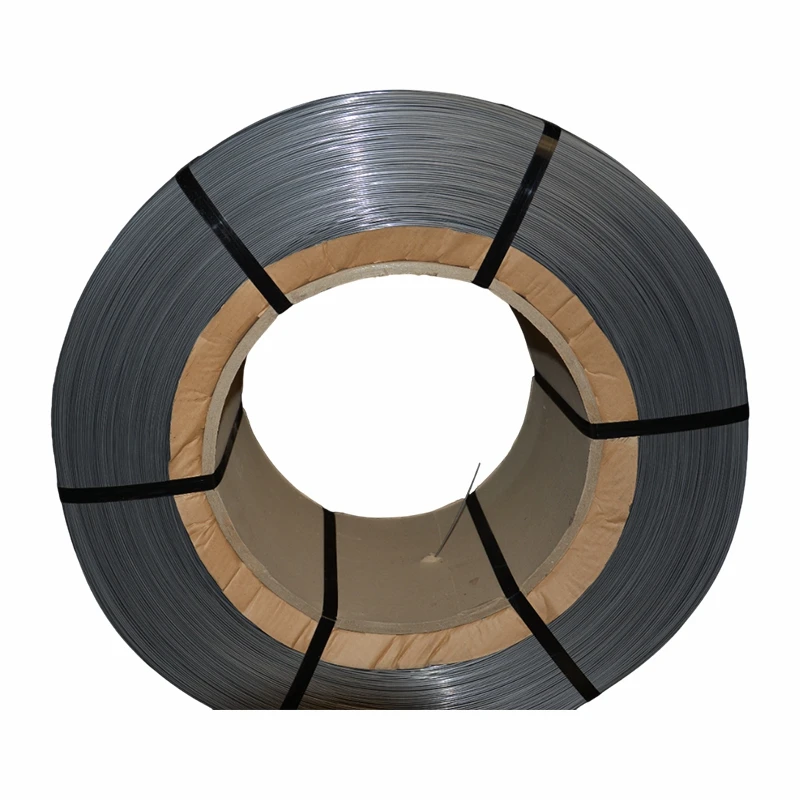
First off, let's talk a bit about steel cut wire shot. It's a popular abrasive media used in various industries like metalworking, foundries, and automotive manufacturing. It's made by cutting high - carbon steel wire into small, uniform pieces. The hardness and shape of these pieces make them great for cleaning, peening, and surface preparation.

Regular Inspection
One of the most important steps in maintaining equipment used with steel cut wire shot is regular inspection. You gotta check your equipment frequently for signs of wear and tear. For example, if you're using a blasting machine, look at the hoses, nozzles, and valves. Over time, the abrasive nature of the steel cut wire shot can cause these parts to wear out.
If you notice any cracks, leaks, or excessive wear on the hoses, it's time to replace them. A damaged hose can lead to a loss of pressure in the blasting system, which affects the efficiency of the process. Nozzles also need to be inspected regularly. A worn - out nozzle can change the pattern and force of the shot, resulting in uneven surface treatment.
Cleaning the Equipment
After each use, make sure to clean your equipment thoroughly. Steel cut wire shot can leave behind residue, and if it's not removed, it can cause corrosion and damage to the equipment. For blasting machines, you can use compressed air to blow out any remaining shot from the hopper, pipes, and other components.
For other equipment like conveyors or separators, use a brush or a vacuum cleaner to remove the shot and dust. Don't forget to clean the filters too. Clogged filters can reduce the airflow in the system, which can lead to overheating and other problems.
Lubrication
Proper lubrication is key to keeping your equipment running smoothly. Moving parts in the equipment, such as bearings, gears, and pistons, need to be lubricated regularly. Use a high - quality lubricant that's suitable for the type of equipment and the working conditions.
For example, in a blasting machine, the pistons that control the flow of the shot need to be well - lubricated to prevent friction and wear. Check the manufacturer's recommendations for the type and frequency of lubrication. Over - lubricating can also be a problem, as it can attract dust and debris, so make sure to apply the right amount.
Storage
When the equipment is not in use, it's important to store it properly. Keep it in a dry, clean place to prevent rust and corrosion. If possible, cover the equipment to protect it from dust and moisture.
If you're storing steel cut wire shot itself, make sure to keep it in a sealed container. Exposure to air and moisture can cause the shot to rust, which can affect its performance.
Training the Operators
Another crucial aspect is training the operators. They need to know how to use the equipment correctly and follow the maintenance procedures. A well - trained operator can spot potential problems early and take the necessary steps to prevent them.
Provide regular training sessions to update the operators on the latest maintenance techniques and safety procedures. Encourage them to report any issues they notice during operation immediately.
Upgrading and Replacing Parts
As your business grows and your equipment gets more use, you may need to upgrade or replace certain parts. For example, if you're experiencing a high volume of work, you might want to upgrade to a more powerful blasting machine or a larger separator.
Keep an eye on the latest technological advancements in the industry. Newer parts may offer better performance, longer lifespan, and more efficient operation. You can find some great options for related steel wires on websites like Bead Steel Wire, Steel Wire for Optical Fibre Cable, and Flexible Duct Wire. These wires may be used in different components of the equipment and can enhance its functionality.
Monitoring Performance
Regularly monitor the performance of your equipment. Keep track of things like the pressure in the blasting system, the flow rate of the shot, and the quality of the surface treatment. If you notice any sudden changes in these parameters, it could be a sign of a problem.
You can use data - logging tools or sensors to collect performance data. Analyzing this data can help you identify trends and potential issues before they become major problems.
Working with a Reliable Supplier
As a steel cut wire shot supplier, I can't stress enough the importance of working with a reliable supplier. A good supplier can provide you with high - quality shot that's less likely to cause damage to your equipment. They can also offer technical support and advice on equipment maintenance.
When choosing a supplier, look for one with a good reputation in the industry. Check their customer reviews and ask for samples of their product. A reliable supplier will be willing to work with you to ensure your equipment runs smoothly.
Conclusion
Maintaining equipment used with steel cut wire shot is a multi - faceted process that requires regular inspection, cleaning, lubrication, proper storage, and operator training. By following these tips, you can extend the lifespan of your equipment, improve its performance, and reduce downtime.
If you're in the market for high - quality steel cut wire shot or need more advice on equipment maintenance, don't hesitate to reach out. We're here to help you make the most of your investment in equipment and ensure your operations run as efficiently as possible. Let's start a conversation about your needs and how we can work together to achieve your goals.
References
- Industry standards for steel cut wire shot and equipment maintenance
- Manufacturer's manuals for the equipment used with steel cut wire shot
- Previous experience and case studies in the steel cut wire shot industry