

How to measure the diameter of bead steel wire accurately?
Accurately measuring the diameter of bead steel wire is crucial in the manufacturing and quality control processes. As a bead steel wire supplier, we understand the significance of precise diameter measurements to ensure the performance and reliability of our products. In this blog post, we will explore various methods and considerations for accurately measuring the diameter of bead steel wire.
Importance of Accurate Diameter Measurement
The diameter of bead steel wire directly affects its mechanical properties, such as strength, flexibility, and fatigue resistance. In applications like tire manufacturing, where bead steel wire is used to reinforce the tire bead, even a slight deviation in diameter can lead to issues like improper tire fitment, reduced tire performance, and potential safety hazards. Therefore, accurate diameter measurement is essential to meet the strict quality standards and specifications required by our customers.
Methods for Measuring the Diameter of Bead Steel Wire
1. Micrometers
Micrometers are one of the most commonly used tools for measuring the diameter of small objects, including bead steel wire. They offer high precision and can measure diameters with an accuracy of up to 0.001 mm. To measure the diameter of bead steel wire using a micrometer, follow these steps:
- Select the appropriate micrometer: Choose a micrometer with a measuring range that is suitable for the diameter of the bead steel wire. For example, if the wire diameter is between 0.5 mm and 5 mm, a micrometer with a range of 0 - 25 mm would be appropriate.
- Clean the wire and the micrometer: Ensure that the bead steel wire and the measuring faces of the micrometer are clean and free from any dirt, debris, or oil. This will ensure accurate measurements.
- Position the wire in the micrometer: Gently place the bead steel wire between the measuring faces of the micrometer. Make sure that the wire is perpendicular to the measuring faces to avoid any errors in measurement.
- Take the measurement: Rotate the thimble of the micrometer until the measuring faces gently touch the wire. Read the measurement on the sleeve and thimble of the micrometer. Take multiple measurements at different points along the length of the wire to ensure consistency.
2. Caliper
Calipers are another versatile tool that can be used to measure the diameter of bead steel wire. They are available in both analog and digital versions and offer a relatively high level of accuracy. To measure the diameter of bead steel wire using a caliper, follow these steps:
- Select the appropriate caliper: Choose a caliper with a measuring range that is suitable for the diameter of the bead steel wire. For example, if the wire diameter is between 0.5 mm and 10 mm, a caliper with a range of 0 - 150 mm would be appropriate.
- Clean the wire and the caliper: Ensure that the bead steel wire and the measuring jaws of the caliper are clean and free from any dirt, debris, or oil. This will ensure accurate measurements.
- Position the wire in the caliper: Open the measuring jaws of the caliper and gently place the bead steel wire between them. Make sure that the wire is centered between the jaws and that the jaws are perpendicular to the wire.
- Take the measurement: Close the measuring jaws of the caliper until they gently touch the wire. Read the measurement on the scale or digital display of the caliper. Take multiple measurements at different points along the length of the wire to ensure consistency.
3. Optical Measuring Systems
Optical measuring systems, such as laser micrometers and vision systems, offer a non - contact and highly accurate method of measuring the diameter of bead steel wire. These systems use advanced optical technology to measure the diameter of the wire with high precision and speed. They are particularly useful for measuring the diameter of small - diameter wires or wires with complex geometries. To use an optical measuring system to measure the diameter of bead steel wire, follow these steps:
- Set up the optical measuring system: Follow the manufacturer's instructions to set up the optical measuring system. This may involve calibrating the system, adjusting the lighting, and positioning the wire in the measurement area.
- Position the wire: Place the bead steel wire in the measurement area of the optical measuring system. Make sure that the wire is straight and centered in the measurement field.
- Take the measurement: Activate the optical measuring system to take the measurement. The system will use laser or vision technology to measure the diameter of the wire and display the result on a screen. Take multiple measurements at different points along the length of the wire to ensure consistency.
Considerations for Accurate Measurement
1. Temperature and Environmental Conditions
Temperature and environmental conditions can affect the accuracy of diameter measurements. For example, changes in temperature can cause the wire to expand or contract, which can lead to errors in measurement. Therefore, it is important to measure the diameter of the bead steel wire under controlled temperature and environmental conditions. If possible, measure the wire at a constant temperature of around 20°C (68°F).
2. Wire Surface Condition
The surface condition of the bead steel wire can also affect the accuracy of diameter measurements. Rough or uneven surfaces can cause the measuring tool to make uneven contact with the wire, leading to errors in measurement. Therefore, it is important to ensure that the wire surface is smooth and free from any defects or irregularities before taking the measurement.
3. Measurement Frequency
To ensure the quality and consistency of the bead steel wire, it is important to measure the diameter at regular intervals during the manufacturing process. This will help to detect any variations in diameter and take corrective actions if necessary. The frequency of measurement will depend on the manufacturing process, the quality requirements, and the stability of the process.

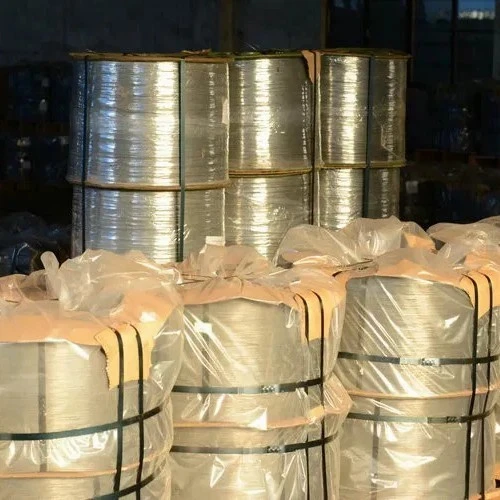
Applications of Bead Steel Wire
Bead steel wire is widely used in various industries, including the tire manufacturing industry, the wire rope industry, and the construction industry. In the tire manufacturing industry, bead steel wire is used to reinforce the tire bead, which helps to hold the tire onto the wheel rim. In the wire rope industry, bead steel wire is used to make high - strength wire ropes for applications such as cranes, elevators, and suspension bridges. In the construction industry, bead steel wire is used for applications such as prestressed concrete structures and reinforcement of masonry walls.
If you are looking for high - quality bead steel wire, we also offer other related products such as Steel Wire for Brush, Cold Drawn Spring Wire Rods, and Steel Cut Wire Shot. These products are manufactured using the latest technology and high - quality materials to ensure superior performance and reliability.
Conclusion
Accurately measuring the diameter of bead steel wire is essential for ensuring the quality and performance of the wire. By using the appropriate measuring tools and following the proper measurement techniques, you can obtain accurate and reliable diameter measurements. At our company, we are committed to providing high - quality bead steel wire that meets the strictest quality standards. If you have any questions or would like to discuss your requirements, please feel free to contact us for procurement and further discussions.
References
- ASTM International. (20XX). Standard test methods for wire rope. ASTM standards.
- ISO. (20XX). International standards for steel wire products. ISO standards.
- Manufacturer's manuals for micrometers, calipers, and optical measuring systems.