

Can coated steel wire be bent easily?
As a supplier of coated steel wire, I often encounter inquiries from customers about the bendability of our products. This is a crucial aspect, especially for those in construction, manufacturing, and other industries where shaping the wire to fit specific needs is a common requirement. In this blog, I'll delve into the factors that influence the bendability of coated steel wire and provide insights to help you understand whether it can be bent easily.
Understanding Coated Steel Wire
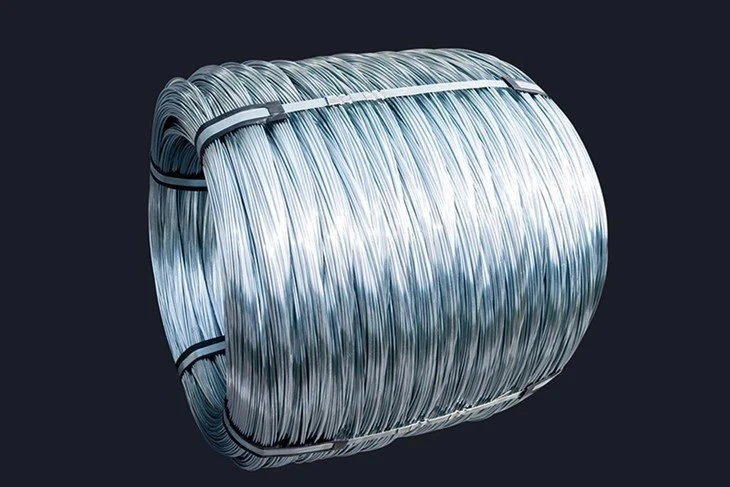
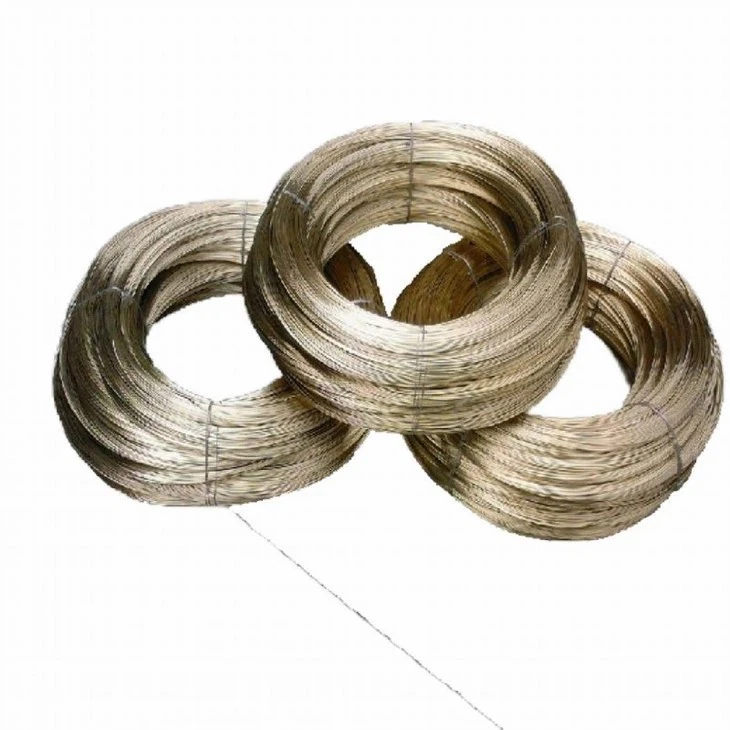
Coated steel wire is essentially steel wire that has been treated with a protective layer. This coating serves multiple purposes, including corrosion resistance, enhanced durability, and sometimes improved aesthetics. There are various types of coatings available, each with its own unique properties and applications. For instance, Hot Dipped Galvanized Steel Wire is coated with a layer of zinc through a hot-dipping process, which provides excellent corrosion protection. On the other hand, Anti Oxidation Copper Coated Steel Wire has a copper coating that not only offers anti-oxidation properties but also has good electrical conductivity.
Factors Affecting Bendability
The bendability of coated steel wire is influenced by several factors, which we'll explore in detail below.
1. Coating Thickness
The thickness of the coating plays a significant role in the wire's bendability. A thicker coating can add stiffness to the wire, making it more difficult to bend. For example, a wire with a very thick layer of galvanized zinc may be more rigid compared to one with a thinner coating. However, it's important to note that a thicker coating also provides better protection against corrosion, so there's a trade-off between bendability and durability.
2. Coating Material
Different coating materials have different mechanical properties, which can affect the wire's ability to bend. Some coatings are more flexible than others. For instance, a polymer-based coating may be more pliable than a metal coating like zinc. This flexibility can make the wire easier to bend without cracking or peeling the coating.
3. Wire Diameter
The diameter of the wire is another crucial factor. Thicker wires are generally more difficult to bend than thinner ones. This is because the larger cross-sectional area of the wire requires more force to deform. However, in some cases, the coating can also influence how the wire behaves under bending stress. For example, a thin wire with a brittle coating may be more prone to coating damage during bending compared to a thicker wire with the same coating.
4. Steel Core Properties
The properties of the steel core, such as its hardness and ductility, also impact the bendability of the coated wire. A steel core with high ductility can be bent more easily without breaking. Ductility refers to the ability of a material to deform under tensile stress without fracturing. High-quality steel cores are often designed to have good ductility to ensure that the wire can be shaped as needed.
Bendability Tests
To determine the bendability of our coated steel wire, we conduct various tests. One common test is the mandrel bend test. In this test, the wire is bent around a mandrel of a specified diameter. The wire is then inspected for any signs of coating cracking, peeling, or other damage. If the coating remains intact after the bend, it indicates that the wire has good bendability.
We also perform the reverse bend test, where the wire is bent back and forth multiple times. This test simulates real-world scenarios where the wire may be subjected to repeated bending. By conducting these tests, we can ensure that our coated steel wire meets the required standards for bendability.
Comparison with Uncoated Steel Wire
When considering the bendability of coated steel wire, it's interesting to compare it with Uncoated Steel Wire. Uncoated steel wire is generally more prone to corrosion, but it may be easier to bend in some cases. Since there is no coating to add stiffness, the wire can be deformed more easily. However, this also means that uncoated wire may not be suitable for applications where corrosion resistance is a priority.
Practical Applications
The bendability of coated steel wire makes it suitable for a wide range of applications. In the construction industry, it can be used for making wire mesh, fencing, and reinforcement in concrete structures. The ability to bend the wire allows it to be shaped into different forms to meet the specific requirements of the project.
In the manufacturing sector, coated steel wire is used in the production of springs, cables, and various mechanical components. The bendability of the wire ensures that it can be formed into the desired shapes during the manufacturing process.
Conclusion
In conclusion, whether coated steel wire can be bent easily depends on several factors, including the coating thickness, coating material, wire diameter, and steel core properties. While some coated steel wires may be more difficult to bend than others, our products are designed to offer a good balance between bendability and durability. Through rigorous testing, we ensure that our coated steel wire meets the highest standards for quality and performance.
If you're in the market for coated steel wire and have specific requirements regarding bendability, I encourage you to contact us for further discussion. Our team of experts is ready to assist you in selecting the right product for your needs. We can provide samples for testing and offer technical support to ensure that you get the best results.
References
- "Handbook of Steel Wire Technology"
- ASTM Standards for Steel Wire Testing