

How to prevent steel wire from fraying?
Hey there! As a steel wire supplier, I've seen my fair share of issues with steel wire fraying. It's a common problem that can lead to a whole bunch of headaches, from reduced product lifespan to safety hazards. But don't worry, I'm here to share some tips on how to prevent steel wire from fraying.
Understanding the Causes of Fraying
Before we dive into the prevention methods, it's important to understand what causes steel wire to fray in the first place. There are several factors that can contribute to this issue:
- Friction: When steel wire rubs against other surfaces, it can cause the outer layer to wear down and eventually fray. This can happen when the wire is used in applications where it comes into contact with rough or abrasive materials.
- Tension: Excessive tension on the steel wire can also lead to fraying. When the wire is pulled too tightly, it can cause the individual strands to break or separate, resulting in fraying.
- Corrosion: Exposure to moisture, chemicals, or other corrosive substances can weaken the steel wire and make it more prone to fraying. Corrosion can also cause the wire to become brittle, increasing the risk of breakage.
- Improper Handling: Rough handling, bending, or kinking the steel wire can damage the individual strands and lead to fraying. It's important to handle the wire carefully and avoid any unnecessary stress or strain.
Prevention Methods
Now that we know what causes steel wire to fray, let's take a look at some effective prevention methods:
1. Choose the Right Type of Steel Wire
The first step in preventing fraying is to choose the right type of steel wire for your application. Different types of steel wire have different properties and characteristics, so it's important to select the one that is best suited for your specific needs. For example, if you're using the wire in a high-tension application, you may want to choose a wire with a higher tensile strength. On the other hand, if you're using the wire in a corrosive environment, you may want to choose a wire that is resistant to corrosion.
Here are some common types of steel wire and their applications:
- Steel Wire for Optical Fibre Cable: This type of steel wire is specifically designed for use in optical fibre cables. It has a high tensile strength and is resistant to corrosion, making it ideal for protecting the delicate optical fibres.
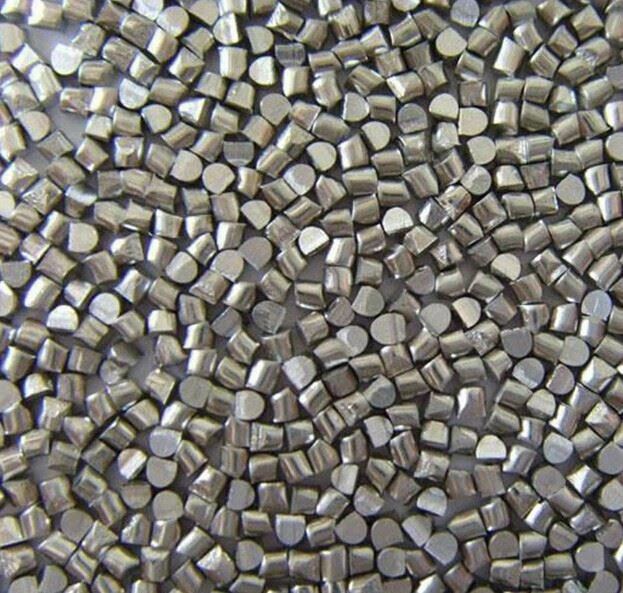
- Steel Cut Wire Shot: Steel cut wire shot is used for surface preparation and cleaning applications. It is made from high-quality steel and has a uniform shape and size, which makes it effective for removing rust, scale, and other contaminants from metal surfaces.
- Bead Steel Wire: Bead steel wire is used in the manufacturing of tires. It has a high tensile strength and is resistant to fatigue, which makes it ideal for providing reinforcement to the tire structure.
2. Use Protective Coatings
Applying a protective coating to the steel wire can help prevent fraying by reducing friction and protecting the wire from corrosion. There are several types of protective coatings available, including:

- Zinc Coating: Zinc coating is a common method of protecting steel wire from corrosion. It works by creating a barrier between the steel and the environment, preventing moisture and oxygen from reaching the surface of the wire.
- Polymer Coating: Polymer coatings are another option for protecting steel wire. They can provide a smooth surface that reduces friction and helps prevent fraying. Polymer coatings can also be customized to provide additional properties, such as resistance to chemicals or UV radiation.
- Lubricants: Applying a lubricant to the steel wire can help reduce friction and prevent fraying. Lubricants can be applied during the manufacturing process or during installation.
3. Proper Installation and Handling
Proper installation and handling of the steel wire are crucial for preventing fraying. Here are some tips to keep in mind:
- Avoid Sharp Edges: When installing the steel wire, make sure to avoid any sharp edges or corners that could cause the wire to rub against them. Use smooth, rounded surfaces or protective sleeves to prevent friction.
- Use the Right Tools: Use the right tools for the job to avoid damaging the steel wire. For example, use a wire cutter that is designed for cutting steel wire to ensure a clean cut.
- Follow the Manufacturer's Instructions: Always follow the manufacturer's instructions when installing and handling the steel wire. This will help ensure that the wire is installed correctly and that it is being used within its recommended limits.
4. Regular Inspection and Maintenance
Regular inspection and maintenance of the steel wire are essential for preventing fraying. Here are some things to look for during an inspection:
- Signs of Wear: Check the steel wire for signs of wear, such as fraying, corrosion, or damage to the protective coating. If you notice any signs of wear, replace the wire immediately.
- Tension: Make sure the steel wire is properly tensioned. Excessive tension can cause the wire to fray, while too little tension can cause the wire to sag and rub against other surfaces.
- Alignment: Check the alignment of the steel wire to make sure it is running straight and is not rubbing against any other objects. Misaligned wire can cause friction and lead to fraying.
Conclusion
Preventing steel wire from fraying is essential for ensuring the safety and reliability of your products. By choosing the right type of steel wire, using protective coatings, proper installation and handling, and regular inspection and maintenance, you can significantly reduce the risk of fraying and extend the lifespan of your steel wire.
If you're in the market for high-quality steel wire, I'd love to help you find the right product for your needs. Feel free to reach out to me to discuss your requirements and to get a quote. I'm here to provide you with the best possible solutions and to ensure your satisfaction.
References
- Steel Wire Handbook
- Corrosion Prevention and Control in the Steel Industry
- Best Practices for Steel Wire Installation and Maintenance