

Can uncoated steel wire be used in construction?
Can uncoated steel wire be used in construction? This is a question that often arises among construction professionals and DIY enthusiasts alike. As a supplier of Uncoated Steel Wire, I am well - versed in the properties and applications of this product, and I'm here to provide a comprehensive answer.
Properties of Uncoated Steel Wire
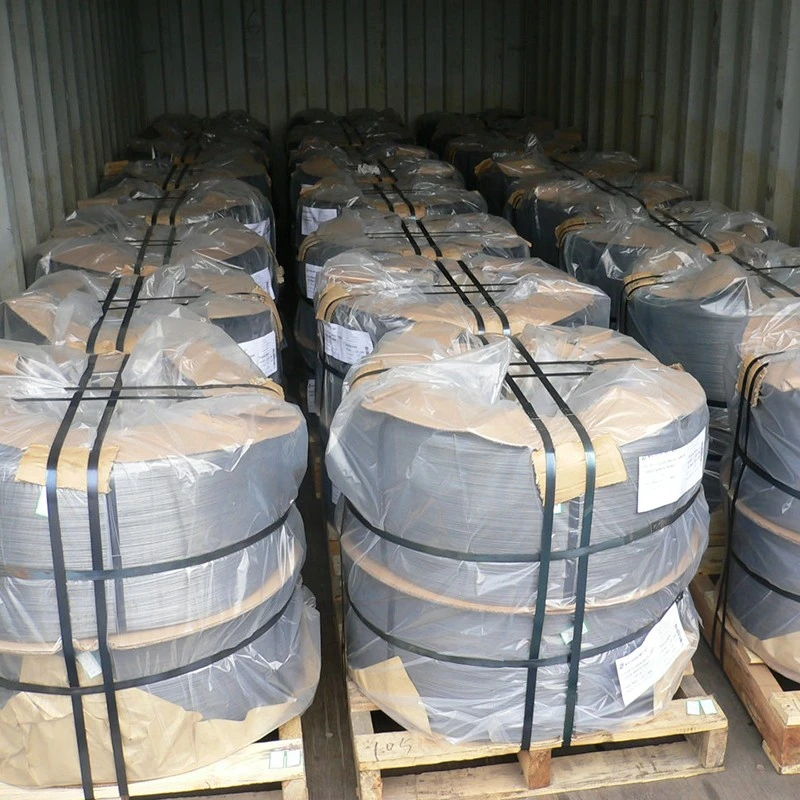
Uncoated steel wire is essentially steel wire that has not undergone any additional coating processes. It is primarily made from carbon steel, which gives it high tensile strength. Tensile strength is crucial in construction as it determines the wire's ability to withstand pulling forces without breaking. For example, in applications where the wire needs to support heavy loads, such as in suspension systems or as reinforcement in some pre - stressed concrete elements, the high tensile strength of uncoated steel wire makes it a viable option.
However, the lack of a coating also means that uncoated steel wire is more susceptible to corrosion. Corrosion occurs when the iron in the steel reacts with oxygen and moisture in the environment, forming iron oxide, commonly known as rust. Rust can weaken the wire over time, reducing its structural integrity. This is a significant drawback that needs to be carefully considered when using uncoated steel wire in construction.
Applications in Construction
Temporary Structures
One of the most common uses of uncoated steel wire in construction is for temporary structures. For instance, during the construction of a building, uncoated steel wire can be used to secure scaffolding. Scaffolding is a temporary structure that provides a working platform for construction workers. Since it is only in place for a relatively short period, the risk of significant corrosion is minimized. The high tensile strength of the uncoated steel wire ensures that the scaffolding remains stable and safe for workers to use.
Fencing
Uncoated steel wire is also widely used for fencing purposes. In agricultural or rural construction, it can be used to create simple fences to keep livestock in or to mark boundaries. The wire's strength allows it to withstand the pressure from animals pushing against it or the forces of nature, such as wind. However, in areas with high humidity or near the coast where the air is salty, the wire may start to corrode more quickly. In such cases, regular maintenance, such as applying a rust - inhibiting paint, may be required.
Reinforcement in Some Non - Critical Concrete Elements
In some non - critical concrete elements, uncoated steel wire can be used as reinforcement. For example, in small - scale concrete projects like garden planters or decorative concrete elements, the wire can help to prevent cracking. Since these elements are not subject to heavy loads or extreme environmental conditions, the risk of corrosion is not as critical. However, for large - scale structural concrete, such as in high - rise buildings or bridges, coated steel wire is usually preferred due to the long - term durability requirements.
Comparison with Coated Steel Wires
When considering the use of uncoated steel wire in construction, it's important to compare it with coated steel wires. There are several types of coated steel wires available in the market, each with its own advantages.
Anti Oxidation Copper Coated Steel Wire
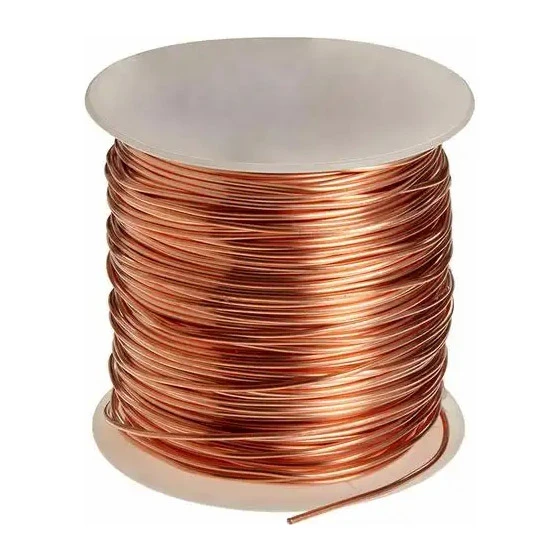
Anti Oxidation Copper Coated Steel Wire offers excellent corrosion resistance. The copper coating acts as a barrier between the steel and the environment, preventing oxygen and moisture from reaching the steel surface. This makes it suitable for use in harsh environments, such as in marine construction or in areas with high levels of industrial pollution. However, the copper coating also adds to the cost of the wire, making it more expensive than uncoated steel wire.
Tin Plated Copper Steel Wire
Tin Plated Copper Steel Wire is another option. Tin plating provides good corrosion protection and also gives the wire a smooth surface, which can be beneficial in some applications. It is often used in electrical applications as well as in construction where a combination of corrosion resistance and conductivity is required. Similar to copper - coated steel wire, tin - plated wire is more expensive than uncoated steel wire.
Factors to Consider When Using Uncoated Steel Wire
Environmental Conditions
The environmental conditions of the construction site are a crucial factor. In dry and arid regions, the risk of corrosion is relatively low, and uncoated steel wire may be a suitable choice. However, in humid, coastal, or industrial areas, the wire is likely to corrode more quickly. In such cases, additional protective measures or the use of coated steel wire may be necessary.
Service Life Requirements
The expected service life of the structure also plays a role. If the structure is only intended to last for a few years, uncoated steel wire may be sufficient. But for long - term structures, such as commercial buildings or infrastructure projects, the potential for corrosion over time makes coated steel wire a more reliable option.
Cost Constraints
Cost is always a consideration in construction. Uncoated steel wire is generally more affordable than coated steel wires. For projects with tight budgets, uncoated steel wire can be a cost - effective solution, especially if the environmental conditions and service life requirements allow for its use.
Conclusion
In conclusion, uncoated steel wire can be used in construction, but its use should be carefully evaluated based on the specific requirements of the project. It offers high tensile strength and cost - effectiveness, but its susceptibility to corrosion is a significant drawback. In temporary structures, non - critical applications, and in areas with favorable environmental conditions, uncoated steel wire can be a viable choice. However, for long - term, high - performance structures or in harsh environments, coated steel wires such as Anti Oxidation Copper Coated Steel Wire or Tin Plated Copper Steel Wire are often more appropriate.
If you are in the process of planning a construction project and are considering using Uncoated Steel Wire, I encourage you to reach out to discuss your specific needs. We can provide you with detailed information about the product, its suitability for your project, and any technical support you may require. Feel free to contact us to start a procurement discussion.
References
- "Steel Construction Manual", American Institute of Steel Construction
- "Corrosion of Metals in Construction", International Association for Bridge and Structural Engineering
- "Handbook of Construction Materials", McGraw - Hill Education