

How to store uncoated steel wire properly?
As a trusted supplier of uncoated steel wire, I understand the importance of proper storage to maintain the quality and integrity of this versatile product. Uncoated steel wire, known for its strength and durability, is used in a wide range of applications, from construction and manufacturing to agriculture and crafts. However, if not stored correctly, it can be susceptible to corrosion, rust, and other forms of damage, which can significantly reduce its lifespan and performance. In this blog post, I will share some essential tips on how to store uncoated steel wire properly.
Choose the Right Storage Location
The first step in proper storage is selecting the right location. The ideal storage area for uncoated steel wire should be dry, well-ventilated, and protected from the elements. Exposure to moisture is the primary cause of corrosion in steel, so it's crucial to keep the wire away from damp areas, such as basements, near water sources, or in areas prone to flooding.
A climate-controlled warehouse is often the best option, as it allows you to maintain a consistent temperature and humidity level. If a climate-controlled environment is not available, a covered shed or a storage building with good ventilation can also work. Make sure the storage area is elevated off the ground to prevent water from pooling around the wire.
Protect the Wire from Physical Damage
In addition to protecting the wire from moisture, it's also important to prevent physical damage. Uncoated steel wire can be easily scratched, bent, or kinked, which can weaken the wire and make it more susceptible to corrosion. When storing the wire, use racks, shelves, or pallets to keep it organized and off the floor. Avoid stacking heavy objects on top of the wire, as this can cause deformation.
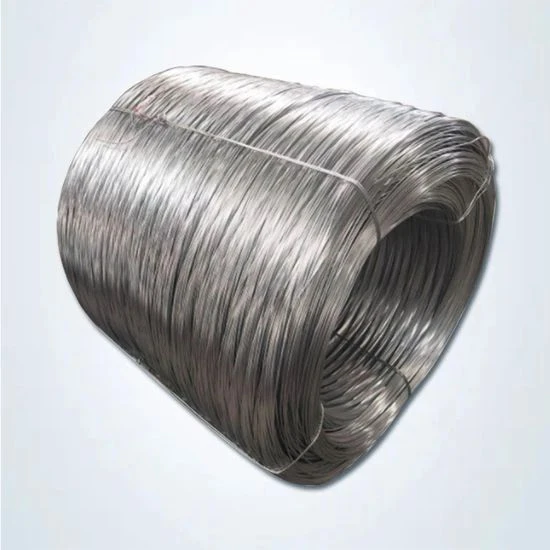
If the wire is stored in coils, make sure the coils are secured to prevent them from unwinding or rolling. You can use straps or bands to hold the coils in place. For long lengths of wire, consider using a wire reel or a spool to keep it neatly wound and prevent tangling.
Implement a First-In, First-Out (FIFO) System
To ensure that the oldest stock is used first, it's recommended to implement a First-In, First-Out (FIFO) system. This means that the wire that arrives first should be the first to be used or sold. By following this system, you can reduce the risk of the wire sitting in storage for too long, which can increase the chances of corrosion and other forms of damage.
Label the wire with the date of arrival and the expiration date (if applicable) to make it easier to track the inventory. This will also help you identify any wire that may be approaching its expiration date and take appropriate action.
Regularly Inspect the Wire
Regular inspections are essential to detect any signs of damage or corrosion early on. Check the wire for rust, scratches, dents, or other forms of damage on a regular basis. If you notice any issues, take immediate action to address them.
For example, if you find a small area of rust on the wire, you can use a wire brush or sandpaper to remove the rust and then apply a rust inhibitor to prevent further corrosion. If the damage is more severe, you may need to replace the affected section of the wire.
Consider Coating Options
While uncoated steel wire has its advantages, such as its high strength and low cost, it may be more susceptible to corrosion compared to coated steel wire. If you are concerned about the wire's corrosion resistance, you may want to consider using coated steel wire instead.
There are several types of coated steel wire available, including Hot Dipped Galvanized Steel Wire, Tin Plated Bronze Steel Wire, and Brass Coated Steel Wire. These coatings provide an additional layer of protection against corrosion and can significantly extend the lifespan of the wire.

Conclusion
Proper storage of uncoated steel wire is essential to maintain its quality and performance. By choosing the right storage location, protecting the wire from physical damage, implementing a FIFO system, regularly inspecting the wire, and considering coating options, you can ensure that your uncoated steel wire remains in good condition for as long as possible.
If you have any questions about storing uncoated steel wire or are interested in purchasing high-quality uncoated steel wire, please feel free to contact us. Our team of experts is always ready to assist you with your needs.
References
- "Steel Wire Storage and Handling Guidelines," American Iron and Steel Institute.
- "Corrosion Prevention in Steel Structures," National Association of Corrosion Engineers.
- "Best Practices for Storing Metal Products," Metal Manufacturers Association.