

What is the influence of stress on the brass coating of steel wire?
Hey there! As a supplier of Brass Coated Steel Wire, I've seen firsthand how stress can mess with the brass coating on steel wire. So, let's dive into what stress does to this coating and why it matters.
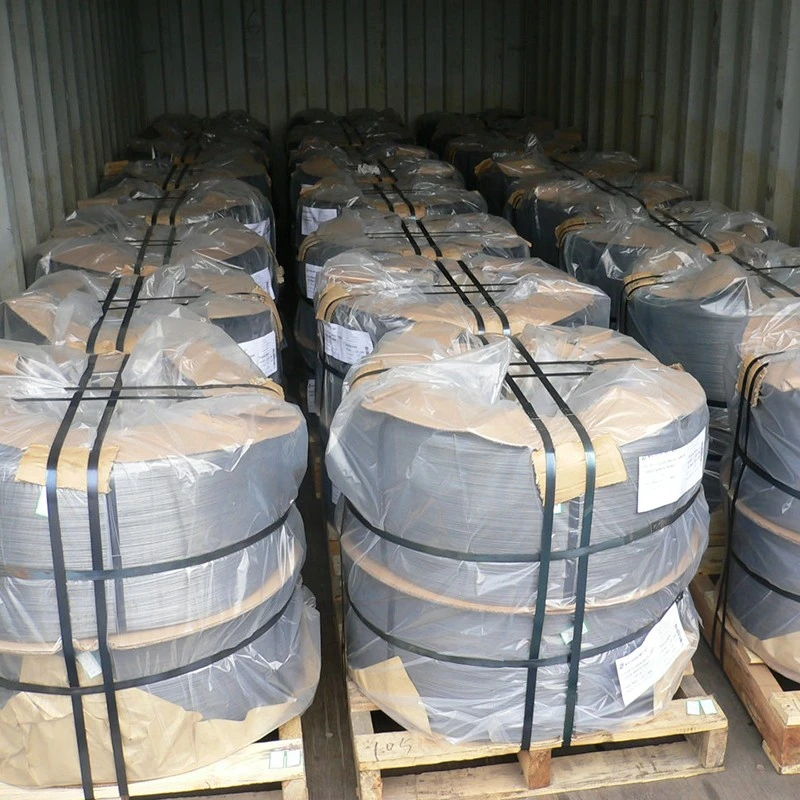
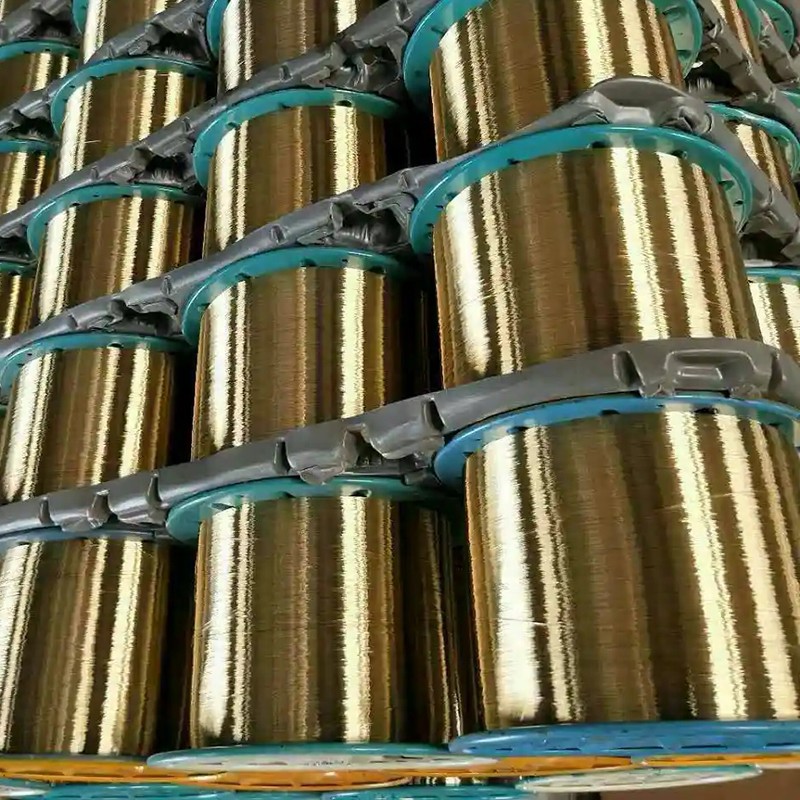
First off, what exactly is brass-coated steel wire? It's steel wire that's been coated with a layer of brass. This coating gives the wire some great properties, like better corrosion resistance and improved adhesion when it's used in things like tires or wire ropes. But stress can really throw a wrench in the works.
Stress can come from a bunch of different places. One common source is mechanical stress. When the wire is bent, stretched, or twisted during manufacturing, installation, or use, it puts a lot of pressure on the brass coating. For example, if you're using the wire to make a wire rope and you're pulling it tight to get the right tension, that's a form of mechanical stress.
Another source of stress is environmental stress. Things like temperature changes, humidity, and exposure to chemicals can all affect the brass coating. If the wire is used outdoors in a place with high humidity, the moisture in the air can cause the brass to corrode over time. And if it's exposed to certain chemicals, like acids or alkalis, that can also damage the coating.
So, what kind of influence does stress have on the brass coating? Well, one of the main things is that it can cause the coating to crack or peel. When the wire is under mechanical stress, the brass coating may not be able to flex or stretch as much as the steel wire underneath. This can lead to cracks forming in the coating. And once there are cracks, moisture and oxygen can get in and start corroding the steel wire.
Stress can also affect the adhesion of the brass coating to the steel wire. If the coating doesn't adhere well, it can start to flake off. This is a big problem because the brass coating is there to protect the steel wire, and if it comes off, the steel wire is left exposed to the elements.
Let's talk a bit more about the different types of stress and how they impact the brass coating.
Mechanical Stress
Mechanical stress can be divided into different categories, like tensile stress, compressive stress, and shear stress.
Tensile stress is when the wire is being pulled apart. This can happen when the wire is used in applications where it needs to support a heavy load, like in a suspension bridge or a crane cable. When the wire is under tensile stress, the brass coating is also stretched. If the stress is too high, the coating can crack.
Compressive stress is the opposite of tensile stress. It's when the wire is being squeezed or compressed. This can happen when the wire is used in a tight space or when it's being packed together with other wires. Compressive stress can also cause the brass coating to crack or delaminate.
Shear stress is when the wire is being pushed in opposite directions along its length. This can happen when the wire is being bent or twisted. Shear stress can be particularly damaging to the brass coating because it can cause the coating to slide or shift on the steel wire, leading to cracks and adhesion problems.
Environmental Stress
Environmental stress can have a long-term impact on the brass coating. Temperature changes can cause the brass and the steel to expand and contract at different rates. This can create internal stresses in the coating and lead to cracking.
Humidity is another big factor. As I mentioned earlier, moisture in the air can cause the brass to corrode. The corrosion process can start small, with tiny pits forming in the coating. Over time, these pits can grow and merge, leading to large areas of corrosion.
Exposure to chemicals can also be a problem. For example, if the wire is used in a chemical plant or a sewage treatment facility, it may be exposed to acids, alkalis, or other corrosive substances. These chemicals can react with the brass coating and break it down.
So, how can we deal with the influence of stress on the brass coating? Well, one way is to choose the right type of brass coating for the application. There are different grades of brass coatings available, and some are more resistant to stress than others. For example, a thicker coating may be more resistant to mechanical stress, while a coating with a higher copper content may be more resistant to corrosion.
Another way is to take steps to reduce the stress on the wire. During manufacturing, we can use processes that minimize the amount of mechanical stress on the wire. For example, we can use gentle bending and stretching techniques to avoid over-stressing the wire.
In terms of environmental stress, we can take steps to protect the wire. If the wire is going to be used outdoors, we can apply a protective coating on top of the brass coating to prevent moisture and chemicals from reaching it.
As a supplier of Brass Coated Steel Wire, I understand the importance of providing high-quality wire that can withstand stress. We use the latest manufacturing techniques and quality control measures to ensure that our brass-coated steel wire is durable and reliable.
If you're in the market for brass-coated steel wire, you might also be interested in Uncoated Steel Wire or Tin Plated Copper Steel Wire. These are other types of coated and uncoated wires that we offer, each with its own unique properties and applications.
Whether you're using the wire for construction, automotive, or any other industry, it's important to choose the right wire for your needs. And if you have any questions about how stress can affect the brass coating or which type of wire is best for your application, don't hesitate to reach out. We're here to help you make the right choice and ensure that your project is a success.
So, if you're looking for a reliable supplier of brass-coated steel wire, give us a shout. We can provide you with samples, technical information, and competitive pricing. Let's work together to find the perfect solution for your needs.
References
- Smith, J. (2018). Corrosion of Metals in Industrial Environments. New York: ABC Publishing.
- Johnson, M. (2019). Mechanical Properties of Coated Wires. London: XYZ Press.
- Brown, R. (2020). Environmental Effects on Metal Coatings. Sydney: 123 Books.