

What are the differences between smooth and rough uncoated steel wire?
Hey there! As a supplier of Uncoated Steel Wire, I've gotten a ton of questions about the differences between smooth and rough uncoated steel wire. So, I thought I'd take a deep dive into this topic and share everything I know with you.
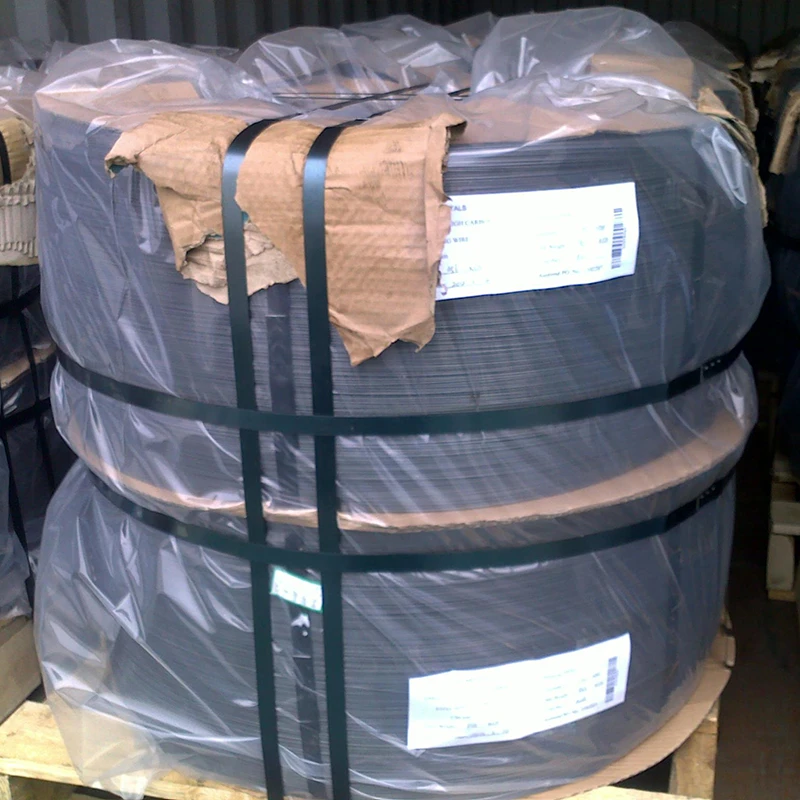
First off, let's talk about what uncoated steel wire is. Uncoated steel wire, as the name suggests, is steel wire that doesn't have any kind of coating on it. You can check out more about it Uncoated Steel Wire. It's made from high - quality steel and is used in a wide variety of applications, from construction to manufacturing.
Surface Texture
The most obvious difference between smooth and rough uncoated steel wire is the surface texture. Smooth uncoated steel wire has a sleek, polished surface. It feels almost like glass when you run your fingers over it. This smooth surface is achieved through a series of processes like cold drawing and polishing.
On the other hand, rough uncoated steel wire has a bumpy, irregular surface. You can easily feel the roughness when you touch it. This roughness is often a result of the manufacturing process or can be intentionally created for specific applications.
Appearance
In terms of appearance, smooth uncoated steel wire looks shiny and clean. It has a modern, industrial look that can be quite appealing in some applications. For example, if you're using it in a decorative project, the smooth finish can give a more refined and professional look.
Rough uncoated steel wire, however, has a more rustic and raw appearance. It might look a bit dirty or weathered at first glance, but this can also be an advantage in certain settings. For instance, in some outdoor sculptures or rustic - themed projects, the rough texture can add a lot of character.
Strength and Durability
When it comes to strength, both smooth and rough uncoated steel wire are made from high - strength steel, so they're pretty tough. But there are some differences. Smooth uncoated steel wire usually has a more uniform structure because of the polishing process. This can make it more resistant to fatigue and stress in some cases.
Rough uncoated steel wire, with its irregular surface, can sometimes have small stress concentrations. However, in applications where friction is important, the rough surface can actually increase the overall strength. For example, in a wire rope used for lifting heavy loads, the rough surface can grip better and prevent slippage.
Corrosion Resistance
Neither smooth nor rough uncoated steel wire has a coating to protect against corrosion, so they're both vulnerable to rust and oxidation. However, the surface texture can affect how quickly corrosion occurs. Smooth uncoated steel wire has a more even surface, which means that moisture and other corrosive elements are less likely to get trapped. This can give it a slight edge in terms of corrosion resistance over the long run.
Rough uncoated steel wire, with its bumps and crevices, can trap moisture and dirt more easily. This can lead to faster corrosion in a humid or corrosive environment. But if you're using it in a dry environment, the difference in corrosion resistance might not be as significant.
Applications
Smooth uncoated steel wire is widely used in applications where a clean, smooth surface is required. In the automotive industry, it's used for making springs and cables because the smooth surface reduces friction and wear. It's also commonly used in the electronics industry for making components like connectors.
Rough uncoated steel wire, on the other hand, is often used in applications where grip and friction are important. In construction, it's used for making wire mesh and fencing because the rough surface helps the wire stay in place and provides better support. It's also used in agricultural applications, such as making animal cages, where the rough texture can prevent animals from chewing through the wire easily.
Cost
The cost of smooth and rough uncoated steel wire can vary. Smooth uncoated steel wire usually costs a bit more because of the additional polishing and finishing processes. These processes add to the manufacturing time and cost, which is then reflected in the price.
Rough uncoated steel wire is generally cheaper because it requires less processing. If you're on a tight budget, rough uncoated steel wire might be a more cost - effective option, especially for large - scale projects.
Handling and Installation
Handling smooth uncoated steel wire is relatively easy. The smooth surface makes it less likely to catch on other objects, and it's easier to pull and bend. When installing it, you don't have to worry about getting cut by sharp edges as much.
Rough uncoated steel wire can be a bit more challenging to handle. The rough surface can snag on clothing or other materials, and it might require more force to bend or shape. However, in some cases, the roughness can actually be an advantage during installation. For example, when tying the wire, the rough surface can provide better grip and prevent it from slipping.
Compatibility with Other Materials
Smooth uncoated steel wire is more compatible with materials that require a smooth contact surface. For example, when used in combination with plastic or rubber components, the smooth wire won't damage the softer materials.
Rough uncoated steel wire can be used with materials that can tolerate a bit of abrasion. It can be a good choice when paired with concrete or other hard materials, as the rough surface can help the wire bond better with the material.
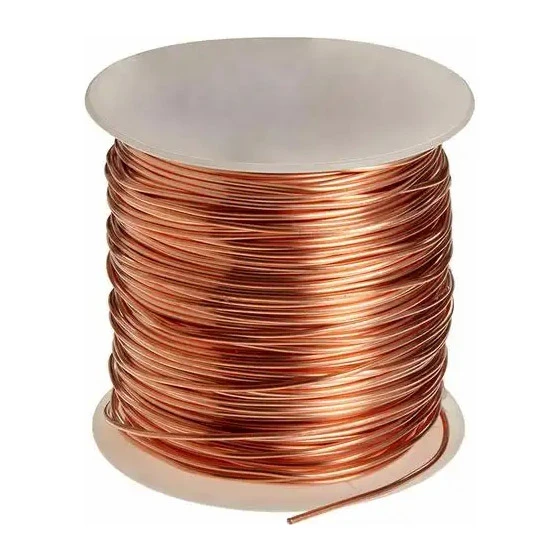
If you're looking for alternatives with better corrosion resistance, you might want to check out Anti Oxidation Copper Coated Steel Wire or Tin Plated Copper Steel Wire.
In conclusion, both smooth and rough uncoated steel wire have their own unique properties and applications. The choice between the two depends on your specific needs, budget, and the environment in which the wire will be used. If you're still not sure which one is right for your project, don't hesitate to reach out. I'm here to help you make the best decision. Whether you need a small quantity for a DIY project or a large order for a commercial application, I can provide you with high - quality uncoated steel wire. So, feel free to contact me for a quote and let's start the procurement process!
References
- Steel Wire Handbook, various industry experts
- Journal of Materials Science and Engineering, multiple issues on steel wire properties