

What factors affect the price of uncoated steel wire?
Hey there! As a supplier of uncoated steel wire, I've seen firsthand how a bunch of factors can mess with its price. In this blog, I'll break down these elements so you can get a better understanding of why the cost of uncoated steel wire can vary so much.
Raw Material Costs
The price of iron ore, the main ingredient in steel, is super important. Iron ore prices are always changing due to stuff like global demand, production levels, and mining regulations. When demand for steel is high, like during big construction booms in countries like China and India, the demand for iron ore goes up too. This increased demand usually leads to higher prices.
For example, if a major iron - ore producing country decides to cut back on exports, the global supply of iron ore drops. With less supply and the same or increasing demand, the price of iron ore shoots up. And since steel is made from iron ore, the cost of producing uncoated steel wire also goes up.
Another key raw material is scrap steel. Scrap steel is recycled steel that can be melted down and used to make new steel products. The price of scrap steel is influenced by factors like the availability of scrap, the cost of collection and processing, and the market demand for recycled steel. When there's a shortage of scrap steel, maybe because fewer old buildings are being demolished or fewer cars are being scrapped, the price of scrap steel rises. This, in turn, affects the price of uncoated steel wire.
Production Costs
The cost of energy is a huge part of production costs. Making uncoated steel wire involves a lot of energy - intensive processes like melting, rolling, and heat - treating. Electricity and natural gas are the main energy sources used in steel production. If the price of electricity or natural gas goes up, the cost of producing uncoated steel wire also increases.
Labor costs also matter. Skilled workers are needed to operate the machinery and ensure the quality of the steel wire. In regions where labor is expensive, like Western Europe and North America, the production cost of uncoated steel wire is higher compared to regions with lower labor costs, such as Southeast Asia.
The cost of equipment and maintenance is another factor. Steel production requires specialized machinery, and this equipment needs to be regularly maintained and updated. The cost of buying new equipment, as well as the cost of maintaining and repairing existing equipment, is factored into the price of uncoated steel wire. If a company has to invest in new, more efficient machinery to meet environmental regulations or improve product quality, the cost is likely to be passed on to the customers.
Market Demand and Supply
The basic law of supply and demand plays a big role in the price of uncoated steel wire. When the demand for uncoated steel wire is high, and the supply is low, the price goes up. For instance, in the construction industry, uncoated steel wire is used for things like reinforcing concrete structures. During a building boom, the demand for uncoated steel wire can skyrocket. If steel manufacturers can't keep up with the demand, the price will increase.
On the other hand, if there's an oversupply of uncoated steel wire in the market, the price will drop. This can happen when steel manufacturers overestimate the demand and produce more steel wire than the market needs. Sometimes, new steel production facilities start operating, increasing the overall supply of uncoated steel wire in the market.
Quality and Specifications
The quality of uncoated steel wire can vary a lot. Higher - quality steel wire, which has better tensile strength, ductility, and corrosion resistance, usually costs more. For example, steel wire that is made from high - grade iron ore and goes through more precise manufacturing processes will be of better quality and command a higher price.
The specifications of the steel wire also affect the price. Different applications require different diameters, lengths, and surface finishes of steel wire. Steel wire with a smaller diameter or a special surface finish may be more expensive to produce because it requires more precise manufacturing techniques.
Transportation and Logistics
The cost of transporting uncoated steel wire from the production facility to the customer is an important factor. The distance between the production site and the customer, the mode of transportation (truck, train, ship), and the cost of fuel all influence the transportation cost.
If the production facility is located far from the customer, the transportation cost will be higher. Also, if there are disruptions in the transportation network, like bad weather or labor strikes, the cost of transportation can increase. For example, if there's a major snowstorm that blocks roads, trucks may not be able to deliver the steel wire on time, and additional costs may be incurred to ensure timely delivery.
Competition in the Market
The level of competition in the uncoated steel wire market can have a significant impact on prices. In a highly competitive market, suppliers may lower their prices to attract more customers. There are many suppliers of uncoated steel wire around the world, and they are constantly competing for market share.
Some suppliers may offer additional services, like faster delivery or better customer support, to differentiate themselves from their competitors. These value - added services can also affect the price of uncoated steel wire. For example, a supplier who offers same - day delivery may charge a slightly higher price for their steel wire.
Global Economic Conditions
Global economic conditions can also influence the price of uncoated steel wire. During an economic recession, the demand for steel products, including uncoated steel wire, usually decreases. This is because construction projects are put on hold, and manufacturing activities slow down. With less demand, the price of uncoated steel wire tends to drop.
On the other hand, during an economic boom, the demand for steel products increases, and the price of uncoated steel wire is likely to go up. Exchange rates also play a role. If the currency of the country where the steel wire is produced weakens against the currency of the importing country, the price of the steel wire in the importing country may decrease, making it more affordable.
Related Coated Steel Wire Products
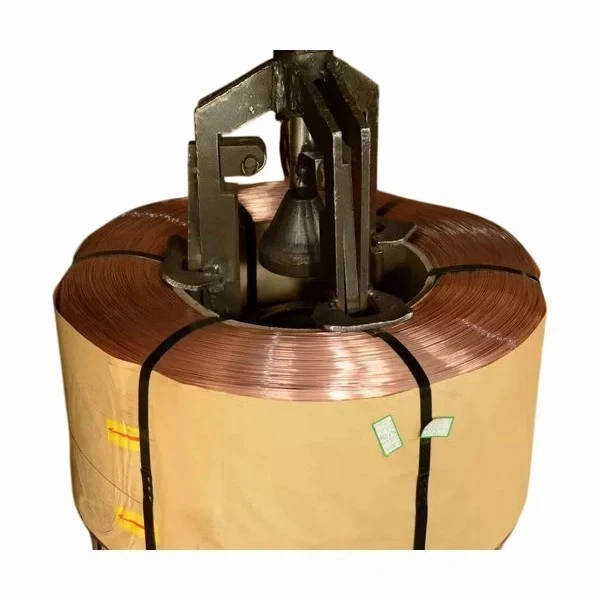
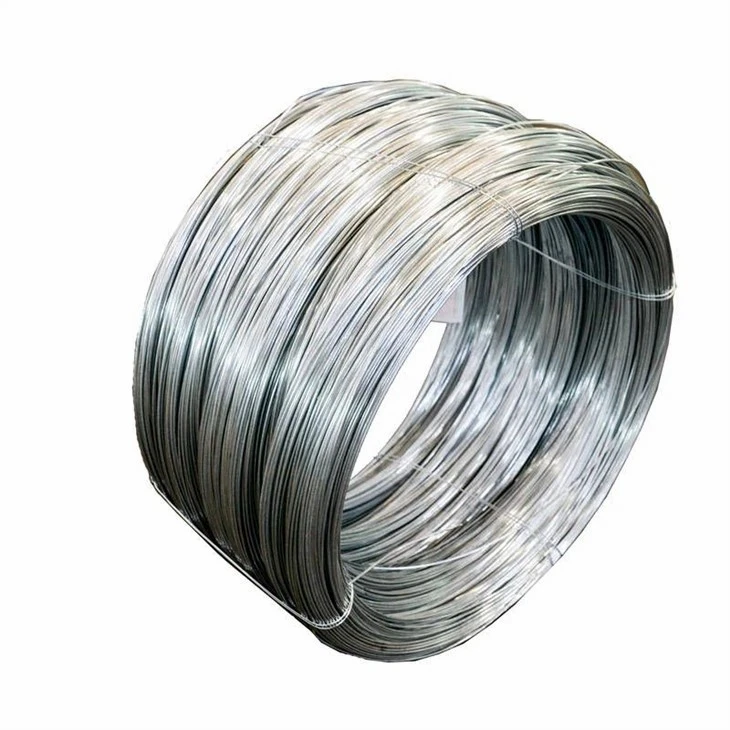
There are also related coated steel wire products in the market, such as Hot Dipped Galvanized Steel Wire, Tin Plated Copper Steel Wire, and Anti Oxidation Copper Coated Steel Wire. The prices of these coated steel wire products can affect the price of uncoated steel wire.
If the price of coated steel wire is relatively low, some customers may choose to buy coated steel wire instead of uncoated steel wire, even if they don't really need the coating. This can reduce the demand for uncoated steel wire and put downward pressure on its price.
In conclusion, the price of uncoated steel wire is affected by a wide range of factors, including raw material costs, production costs, market demand and supply, quality and specifications, transportation and logistics, competition, global economic conditions, and the prices of related coated steel wire products. As a supplier, I always keep an eye on these factors to offer the best possible prices to my customers.
If you're interested in purchasing uncoated steel wire or have any questions about its price and quality, feel free to reach out to me. I'm more than happy to have a chat and discuss your specific needs.
References
- "The Economics of Steel Production" by Steel Industry Research Institute
- "Global Steel Market Trends" by International Steel Association
- "Transportation and Logistics in the Steel Industry" by Logistics Research Center