

What is the application of cold drawn steel wire in the conveyor belt industry?
Hey there! As a supplier of cold drawn steel wire, I've seen firsthand how this versatile material plays a crucial role in the conveyor belt industry. In this blog, I'll dive into the various applications of cold drawn steel wire in conveyor belts and why it's such a popular choice.
What is Cold Drawn Steel Wire?
Before we get into its applications, let's quickly go over what cold drawn steel wire is. Cold drawing is a process where steel wire is pulled through a die at room temperature to reduce its diameter and improve its mechanical properties. This results in a wire that's stronger, more uniform in size, and has a smoother surface finish compared to hot-rolled wire.
Reinforcement in Conveyor Belts
One of the primary applications of cold drawn steel wire in the conveyor belt industry is reinforcement. Conveyor belts are used to transport a wide range of materials, from light packages to heavy industrial goods. To withstand the constant stress and tension during operation, conveyor belts need to be strong and durable. Cold drawn steel wire provides the necessary reinforcement to enhance the belt's strength and resistance to stretching and tearing.
The steel wire is typically embedded in the conveyor belt's carcass, which is the inner layer that provides the belt's structural integrity. By adding steel wire reinforcement, the conveyor belt can handle higher loads and longer distances without sagging or breaking. This is especially important in industries such as mining, construction, and manufacturing, where conveyor belts are used to transport heavy materials over long distances.
Resistance to Wear and Abrasion
Another important property of cold drawn steel wire is its resistance to wear and abrasion. Conveyor belts are often exposed to harsh environments, including sharp edges, rough surfaces, and abrasive materials. Over time, this can cause the belt to wear out and lose its effectiveness. Cold drawn steel wire's high strength and hardness make it highly resistant to wear and abrasion, ensuring that the conveyor belt can withstand the rigors of daily use.
In addition to its inherent wear resistance, cold drawn steel wire can also be coated with various materials to further enhance its protection against abrasion. For example, Phosphate Coating Steel Wire is coated with a phosphate layer that provides a sacrificial barrier against corrosion and wear. This makes it an ideal choice for conveyor belts operating in corrosive or abrasive environments.
Flexibility and Bendability
Despite its strength and durability, cold drawn steel wire also offers excellent flexibility and bendability. This is important in conveyor belt applications, where the belt needs to be able to wrap around pulleys and rollers without breaking or losing its shape. The flexibility of cold drawn steel wire allows the conveyor belt to conform to the shape of the pulleys and rollers, ensuring smooth and efficient operation.
The bendability of cold drawn steel wire also makes it easier to install and maintain conveyor belts. During installation, the wire can be easily bent and shaped to fit the belt's design and layout. This reduces the time and effort required for installation, making it a cost-effective solution for conveyor belt systems.
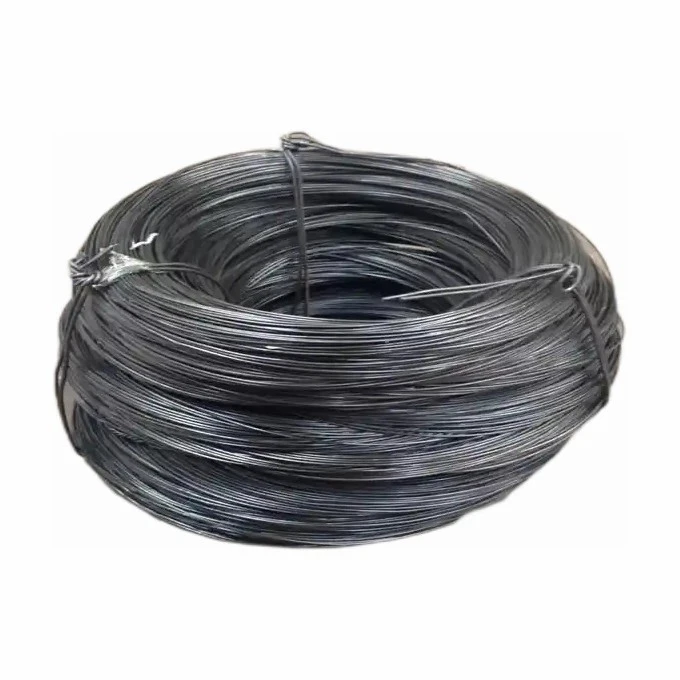

Different Types of Cold Drawn Steel Wire for Conveyor Belts
There are several different types of cold drawn steel wire that can be used in conveyor belts, each with its own unique properties and applications. Some of the most common types include:
- Black Annealed Tie Steel Wire: This type of wire is annealed to improve its ductility and flexibility. It's often used for tying and securing conveyor belt components, such as splices and fasteners.
- Phosphate Coating Steel Wire: As mentioned earlier, phosphate coating provides a protective layer against corrosion and wear. This type of wire is commonly used in conveyor belts operating in harsh environments.
- Patented Steel Wire: Patented steel wire is heat-treated to achieve a high level of strength and toughness. It's often used in high-performance conveyor belts that require maximum durability and reliability.
Conclusion
In conclusion, cold drawn steel wire is an essential component in the conveyor belt industry. Its strength, durability, resistance to wear and abrasion, flexibility, and bendability make it an ideal choice for reinforcing conveyor belts and ensuring their long-term performance. Whether you're in the mining, construction, manufacturing, or any other industry that relies on conveyor belts, cold drawn steel wire can help you improve the efficiency and reliability of your conveyor system.
If you're interested in learning more about our cold drawn steel wire products or have any questions about their applications in the conveyor belt industry, please don't hesitate to contact us. We'd be happy to discuss your specific needs and provide you with a customized solution. Let's work together to take your conveyor belt system to the next level!
References
- "Conveyor Belt Technology Handbook" by Conveyor Equipment Manufacturers Association (CEMA)
- "Steel Wire and Cable Handbook" by American Iron and Steel Institute (AISI)
- "Materials Science and Engineering: An Introduction" by William D. Callister Jr. and David G. Rethwisch