

How does heat treatment affect the properties of uncoated steel wire?
Hey there! As a supplier of Uncoated Steel Wire, I've seen firsthand how heat treatment can really change the game when it comes to the properties of this versatile material. In this blog, I'm gonna break down how heat treatment affects uncoated steel wire, and why it matters for your projects.
Let's start with the basics. Uncoated steel wire is just as it sounds – steel wire without any coatings on it. It's used in a ton of different applications, from construction to manufacturing. You can check out our range of Uncoated Steel Wire on our website.
Heat treatment is a process where you heat the steel wire to a specific temperature and then cool it down at a controlled rate. This can be done in a few different ways, like annealing, quenching, and tempering. Each method has its own unique effects on the properties of the steel wire.
Annealing
Annealing is a heat treatment process where the steel wire is heated to a high temperature and then slowly cooled down. This helps to relieve internal stresses in the wire and make it more ductile. Ductility is the ability of a material to be stretched or drawn into a wire without breaking. When you anneal uncoated steel wire, it becomes easier to work with, which is great for applications where you need to bend or shape the wire.
For example, if you're using uncoated steel wire to make springs, annealing can make the wire more flexible and less likely to break when it's bent into the spring shape. It also improves the wire's machinability, which means it can be cut, drilled, or machined more easily.
Quenching
Quenching is the opposite of annealing. In this process, the steel wire is heated to a high temperature and then rapidly cooled down, usually by immersing it in a liquid like water or oil. Quenching makes the steel wire harder and stronger, but it also makes it more brittle.
Brittleness is the tendency of a material to break or shatter when it's subjected to stress. While a harder and stronger wire might seem like a good thing, the increased brittleness can be a problem in some applications. For instance, if you're using uncoated steel wire in a structure that needs to withstand impact or vibration, a brittle wire might break under stress.
However, quenching can be useful in applications where you need a very hard and wear-resistant wire. For example, in the manufacturing of cutting tools or high-strength fasteners, quenched uncoated steel wire can provide the necessary hardness and strength.
Tempering
Tempering is a heat treatment process that's often done after quenching. The quenched steel wire is heated to a lower temperature and then cooled down slowly. Tempering helps to reduce the brittleness of the quenched wire while still maintaining its hardness and strength.
By tempering the uncoated steel wire, you can achieve a good balance between hardness and toughness. Toughness is the ability of a material to absorb energy and deform plastically before breaking. This makes the wire more suitable for applications where it needs to withstand both high stress and impact.
For example, in the automotive industry, tempered uncoated steel wire is used in the production of suspension components. These components need to be strong enough to support the weight of the vehicle and withstand the forces of acceleration and braking, but also tough enough to absorb the shocks and vibrations from the road.
Impact on Other Properties
Heat treatment doesn't just affect the mechanical properties of uncoated steel wire. It can also have an impact on its electrical and magnetic properties.
When it comes to electrical conductivity, annealing can improve the wire's conductivity by reducing the internal resistance caused by impurities and defects in the steel. This is important in applications where the wire is used for electrical wiring or components.
In terms of magnetic properties, heat treatment can change the magnetic behavior of the steel wire. For example, some heat treatment processes can make the wire more ferromagnetic, which means it can be magnetized more easily. This can be useful in applications where you need a magnetic wire, such as in the production of electromagnets or magnetic sensors.
Comparing with Coated Wires
It's also worth comparing uncoated steel wire with coated wires like Brass Coated Steel Wire and Tin Plated Copper Steel Wire. Coated wires have an extra layer of protection that can improve their corrosion resistance.
However, heat treatment can still be applied to coated wires, but the process needs to be carefully controlled to avoid damaging the coating. In some cases, the coating can also affect the heat transfer during the heat treatment process, which can influence the final properties of the wire.
Why It Matters for Your Projects
Understanding how heat treatment affects the properties of uncoated steel wire is crucial for choosing the right wire for your projects. If you need a wire that's easy to work with and has good ductility, annealing might be the way to go. On the other hand, if you need a wire that's hard and wear-resistant, quenching and tempering could be the better option.
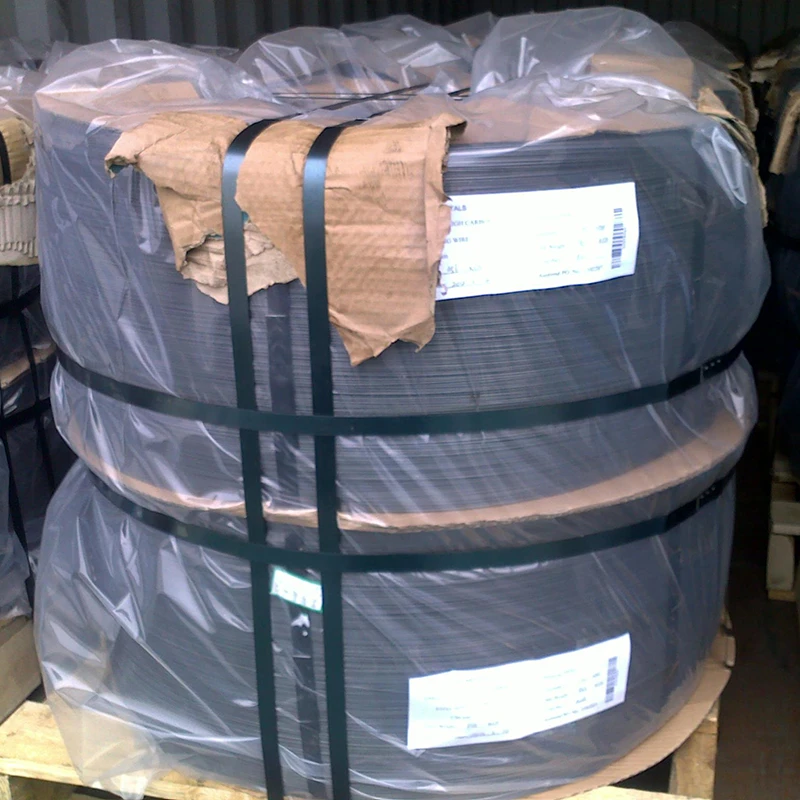
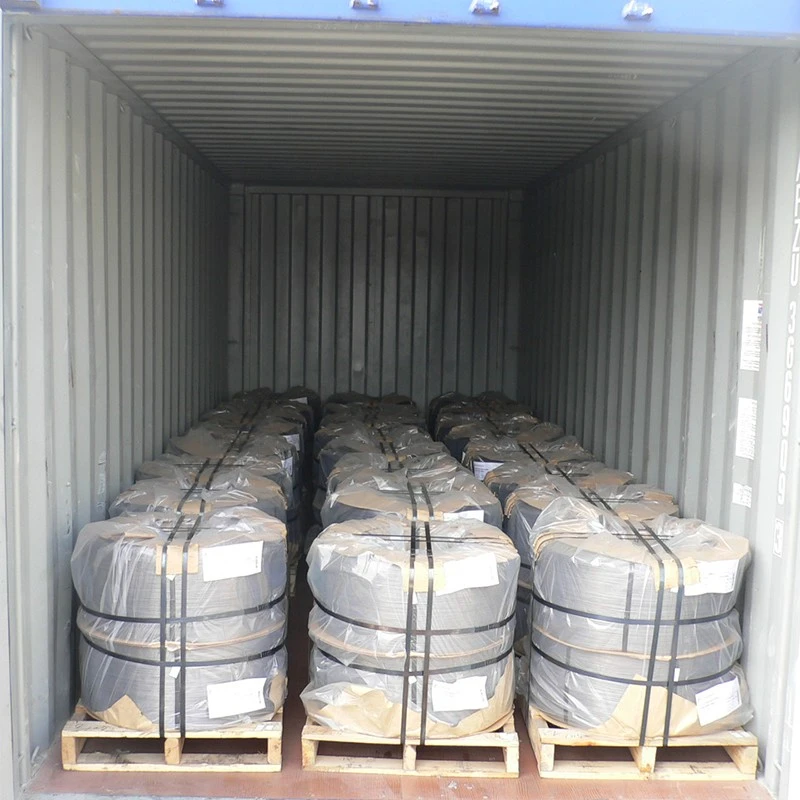
By working with a supplier who understands the heat treatment process, you can get the uncoated steel wire that's tailored to your specific needs. At our company, we have the expertise and equipment to heat treat uncoated steel wire to meet your exact requirements.
Let's Talk
If you're in the market for uncoated steel wire or have any questions about heat treatment, I'd love to hear from you. Whether you're working on a small DIY project or a large-scale industrial application, we can help you find the right wire and the right heat treatment process. Contact us today to start the conversation and let's work together to get the best uncoated steel wire for your project.
References
- ASM Handbook Volume 4: Heat Treating. ASM International.
- Callister, W. D., & Rethwisch, D. G. (2012). Materials Science and Engineering: An Introduction. Wiley.
- Van Tyne, C. J., & Sherman, D. M. (2008). Handbook of Steel Drawn Products: Processes, Materials, and Applications. CRC Press.